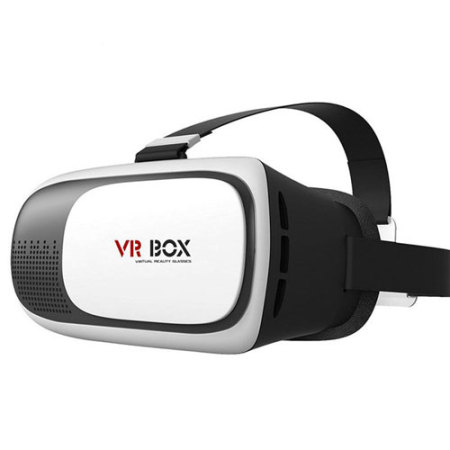
Screening the mirror forest was positive, I enjoyed seeing people experiencing the film with a VR headset, the way that I had designed it to be seen. Setting up this sort of experience is still not straight forward, putting a smartphone into a holder then strapping it to someones face is easy, but it is not elegant. It doesn’t feel like it is going to take off in a big way anytime soon, there is still this barrier to entry.
Using a desktop browser to navigate around the 360 video is an even worse experience, the controls always feel like they are in the way and it is too easy to click the wrong part of a video and break the experience, not at all immersive.
It was interesting that there were also comments that suggested that the film still worked when displayed as a traditional projection onto a screen with no interactivity. When stretch the sceptical video has a really interesting perspective on the world, it seems to need decoding to recognise very familiar objects.
I often wonder if I will have gone too far with minimalism of the visuals; will it be too simple, boring. In a film of 2 minutes I feel that there isn’t room to explore more than one idea, for me the articulation of one idea is often a limited visual palette, with sound to support that. There were a number of comments about the soundscape, where phrases such as dreamlike, and mediation, were mentioned.
I feel satisfied with the process of arriving at this piece, I enjoyed the interplay of exploration of new technique, and theoretical process. I feel that I have aim of evoking an experience of the forests of Norfolk, and the interaction of people and place.
The extra resolution of 4k is really important when working with spherical video because the wrapping reduces the effective resolution of the image and it looks really soft.
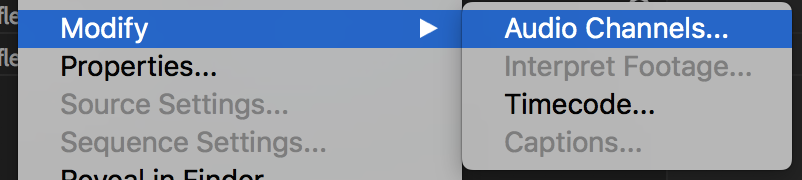
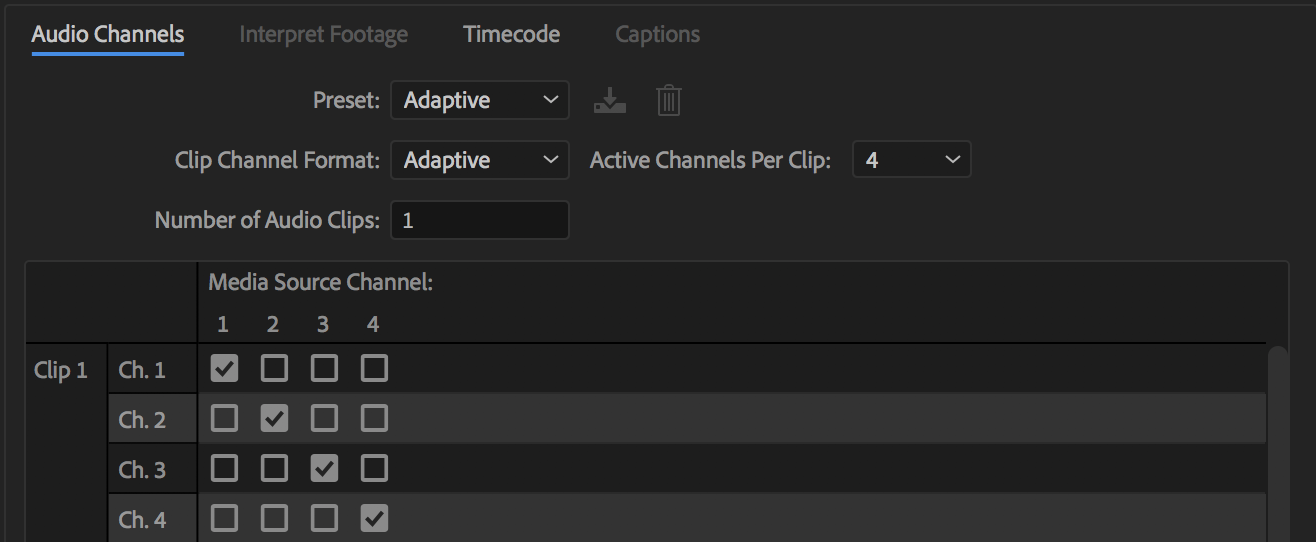
I had also missed an important step from the ambisonic audio tutorial in Premiere Pro.
With the .amb audio track selected open the contextual menu > Modify > Audio ChannelsIn the Audio Channels tab change the Preset > AdaptiveWhen the audio clip is added to the timeline it will now appear as 4 audio channels on 1 Audio Track
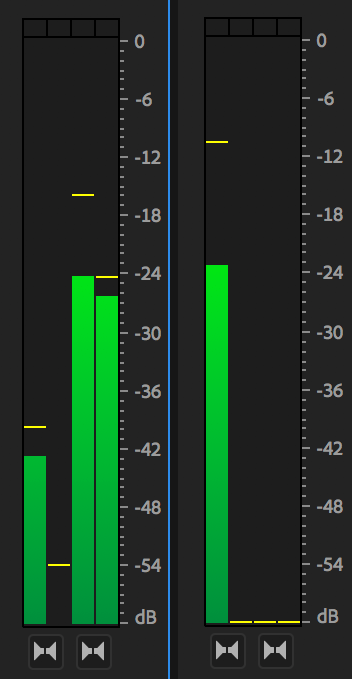
When played back there levels will show audio in all 4 channels not just the left
Neal Ascherson writing in Stone Voices: The Search for Scotland, ‘Scottish earth is in most places … a skin over bone, and like any taut face it never loses a line once acquired.’
Another passage on the same page reads
Where the coal measures approached the surface , men opened mines and built mining villages. Where the sea was shallow and enclosed, people settle around salt pans … communities are improvisations in strait circumstances.
Neal Ascherson Stone Voices: The Search for Scotland (2002, p27)
Although Ascherson is making specific reference to the impact of Scotland’s, at times hostile, landscape I think that there is wider point to recognise. Human settlement historically happened close to important resources, making those resources easy to access and exploit. The exploitation of these resources left marks and scars on the landscape, but the places also left marks on the people as well.
I think that this is an interesting idea to engage with in the poetic film, the relationship between place and community. This is especially the case in Norfolk where the landscape was clearly managed and maintained.
This was almost the final submission but the loss of resolution from the 4K to HD conversion made the image look really soft (I think the high contrast of the image made it noticeable). I also realised there was an additional setting I had missed in the VR audio.
If possible please watch in a 360 headset with headphones for the full immersive experience.
The ambisonic audio was really immersive but I really wasn’t interested in the blended images any more. On the other hand the mirrored forest became hypnotic in the headset, I lost sense of up and down.
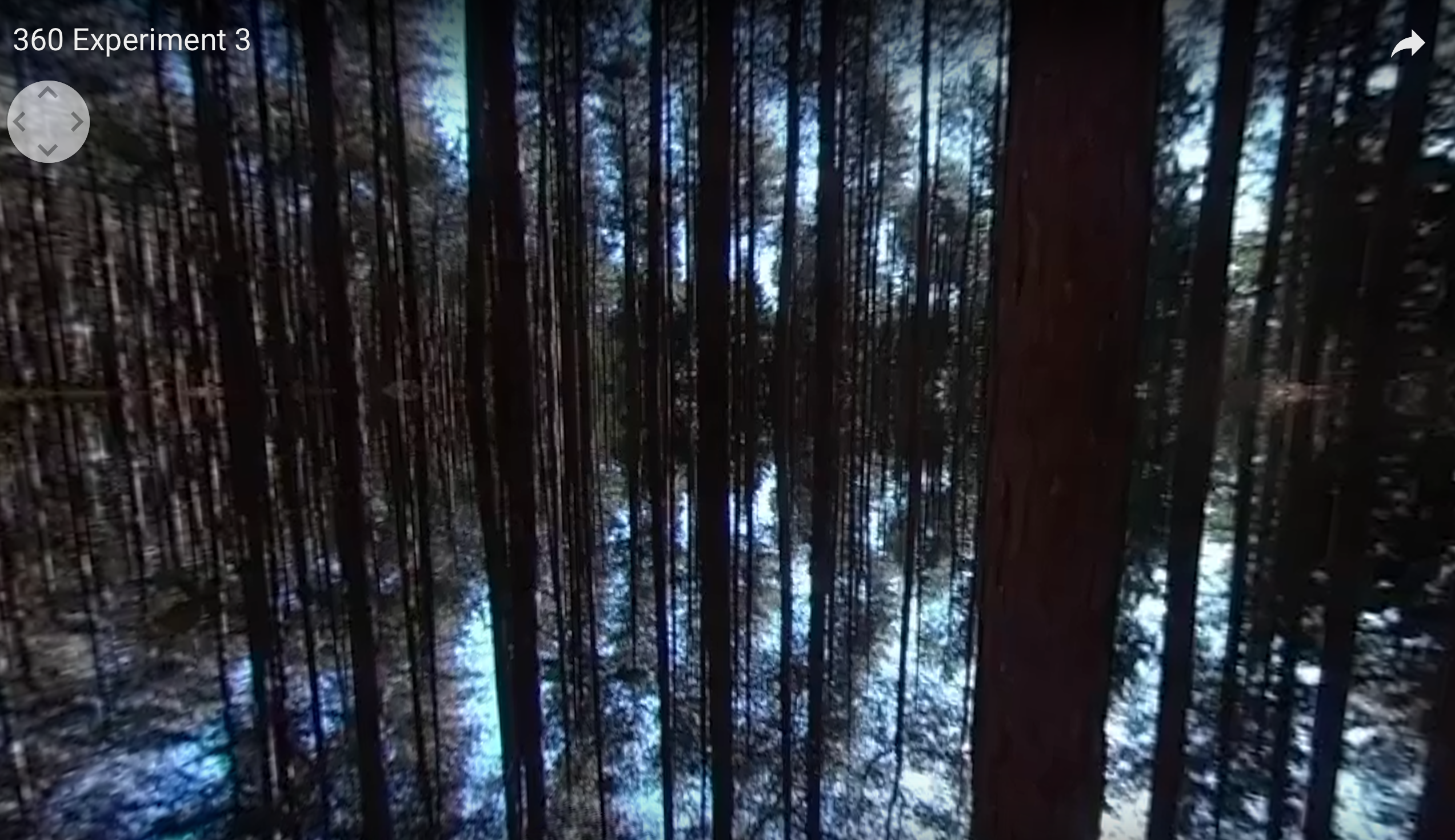
When viewed on a smartphone or headset the motion controller interactively changes the view as you move creating a highly immersive experience. The controls in the top left also disappear.
I was surprised at the sense of floating that I felt and someone else commented on when I passed it around the office. I think there are definitely artistic possibilities for the this kind of experience beyond documentary, and journalism.
When viewed this way this mirror forest concept seemed to more strongly evoke the artificial nature of the forest, with its managed, equally-spaced trees. I was inspired to develop a more musical version of the soundscape to further highlight this.
The concept was based around the structure of the 4 channels of the ambisonic audio file. I used the same process of using the 4 Buses in Audition to organise and mix 4 differently themed tracks.
The first was a development of the birdsong that I had developed for the previous ambisonic track, but simplified.
The second was a repeating loop of a fly.
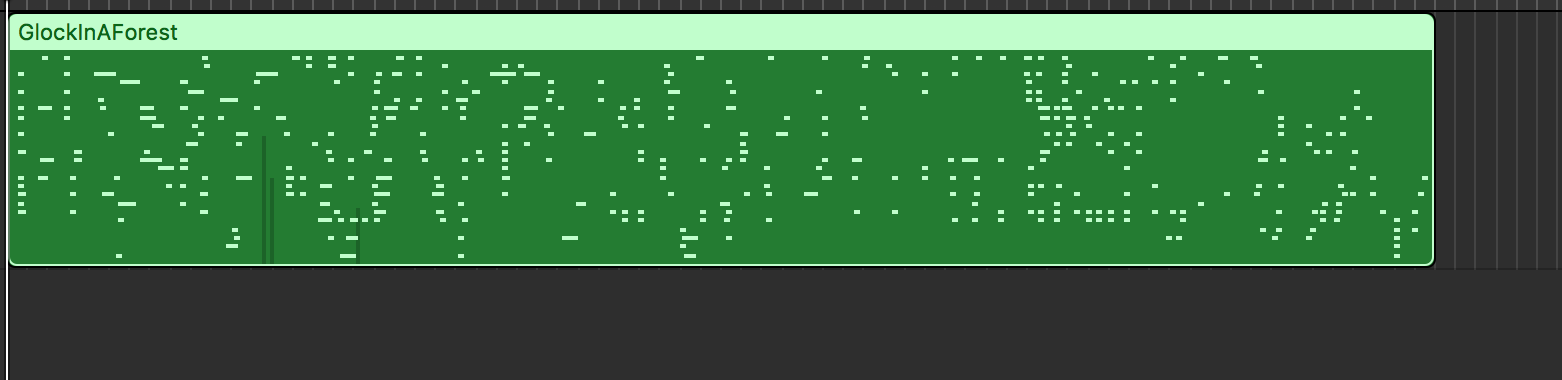
The third was the most musical elements, a synthesised Xylophone created from a series of recordings that I had made of rustic Xylophone in a children’s play area.
This is not the one I recorded but looks very similar
I recorded each of the notes being struck then used the same technique as my reman synth for the Kino project to create a software synthesiser in Garageband. This time rather than playing it with a mathematical sequence I played it with a midi keyboard, trying to respond to the wind I could hear and see in the.
Played with palms not fingers
Once I had the track I ran it through a few reverb, and delay effects.
The forth channel was the sea.
I felt bringing these four elements together sonically represented the environment that we experienced in Norfolk; forest, sea, natural, artificial.
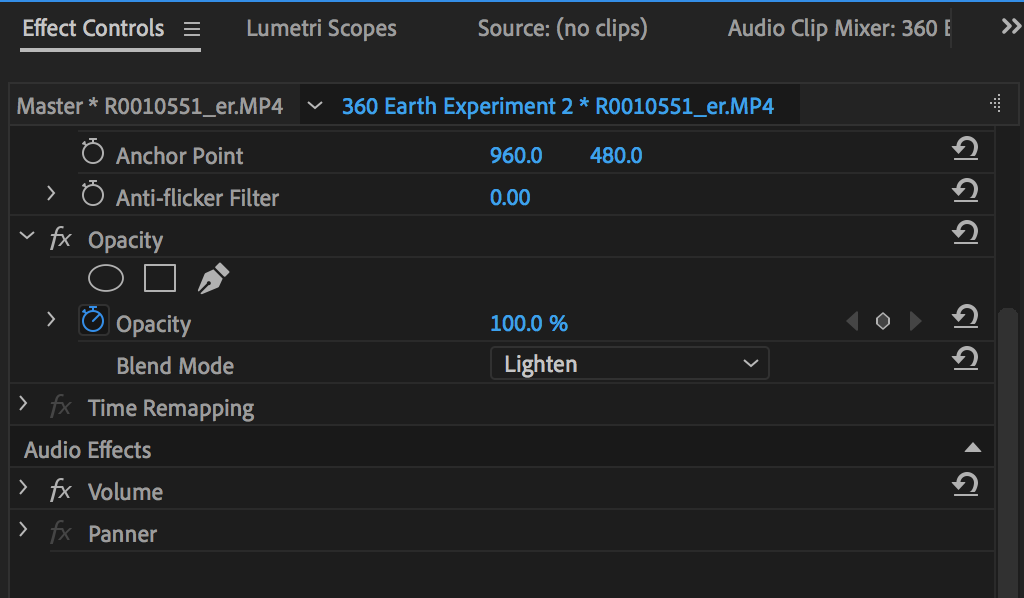
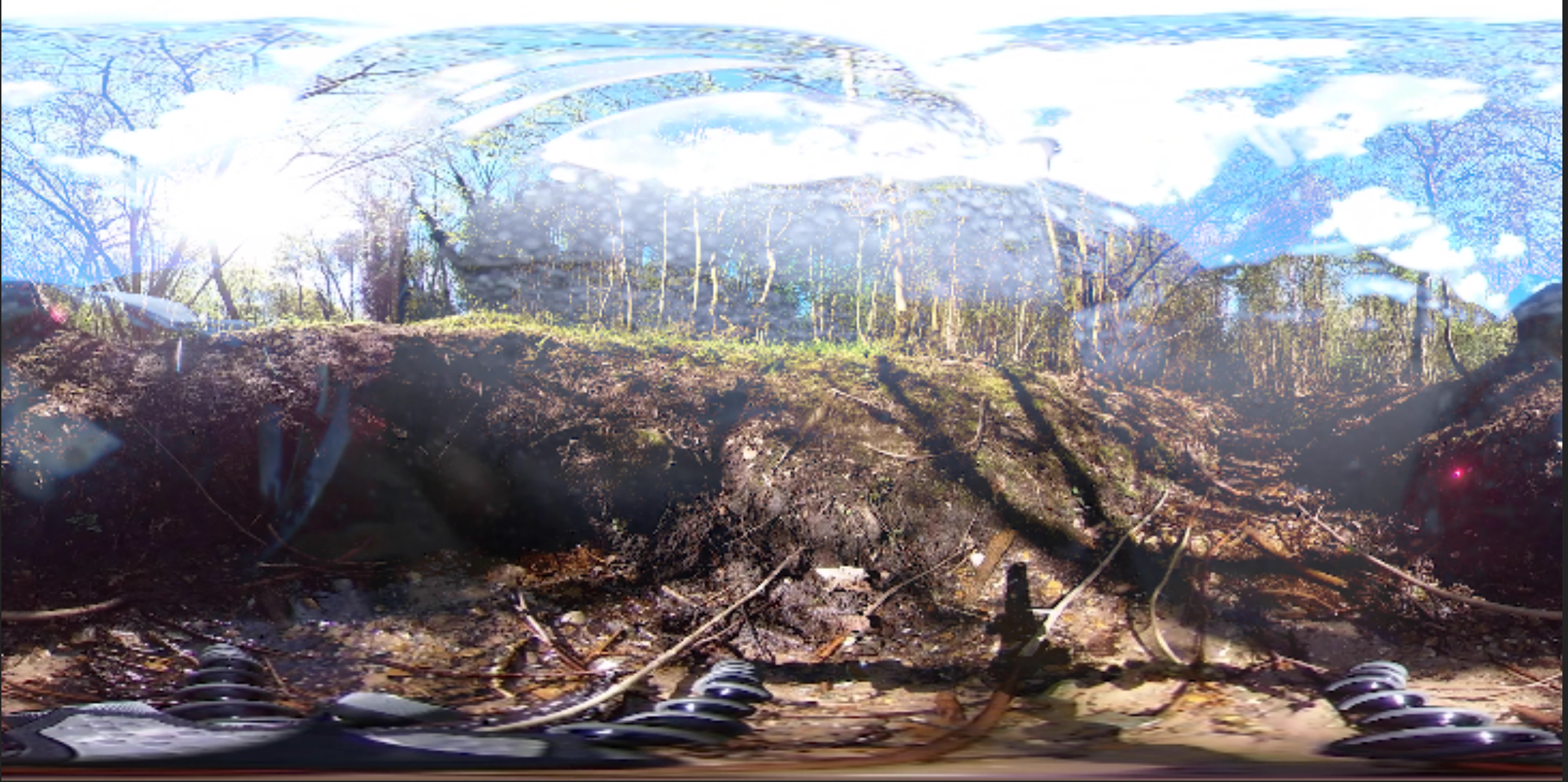
For this experiment I changed the blend mode from lighten or darken to difference. I felt this might highlight the different environments. Below are comparisons of the same frame to show the dramatic change by switching blending modes I have been wanting to experiment with…
When chatting to someone (sorry can’t remember who) last week about the 360 edits that I had experimented with there was discussion about hiding the tripod by mirroring the footage. I thought that might be interesting with the forest footage that already has a very repetitive pattern.
Mirror Forest
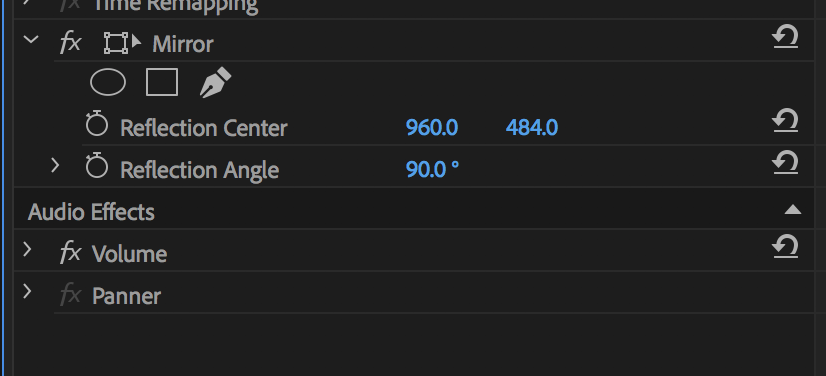
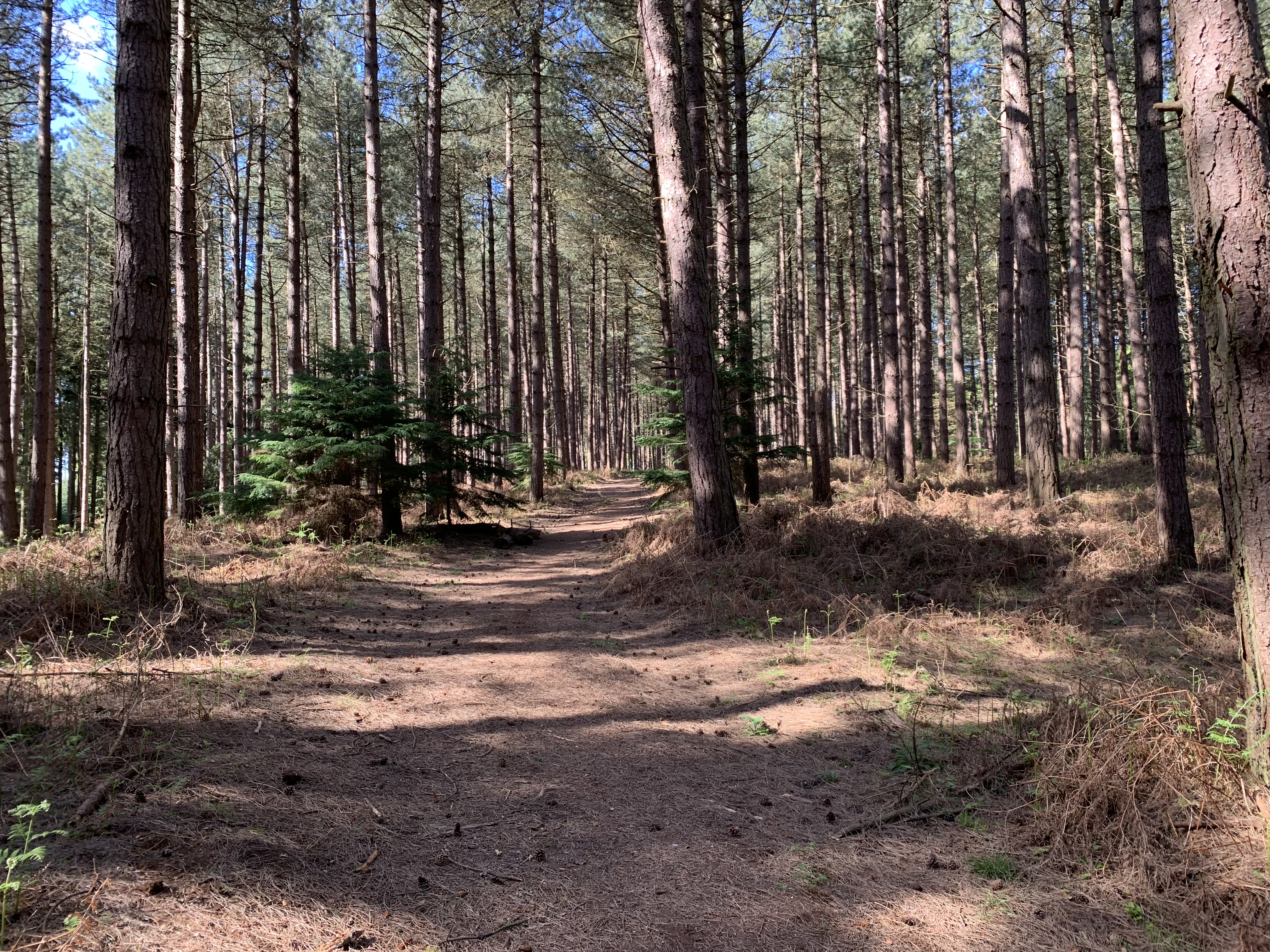
I used a simple mirror effect in Premiere Pro to film the footage just above the ground level to create the illusion of infinite trees.
Premiere Pro Mirror effect
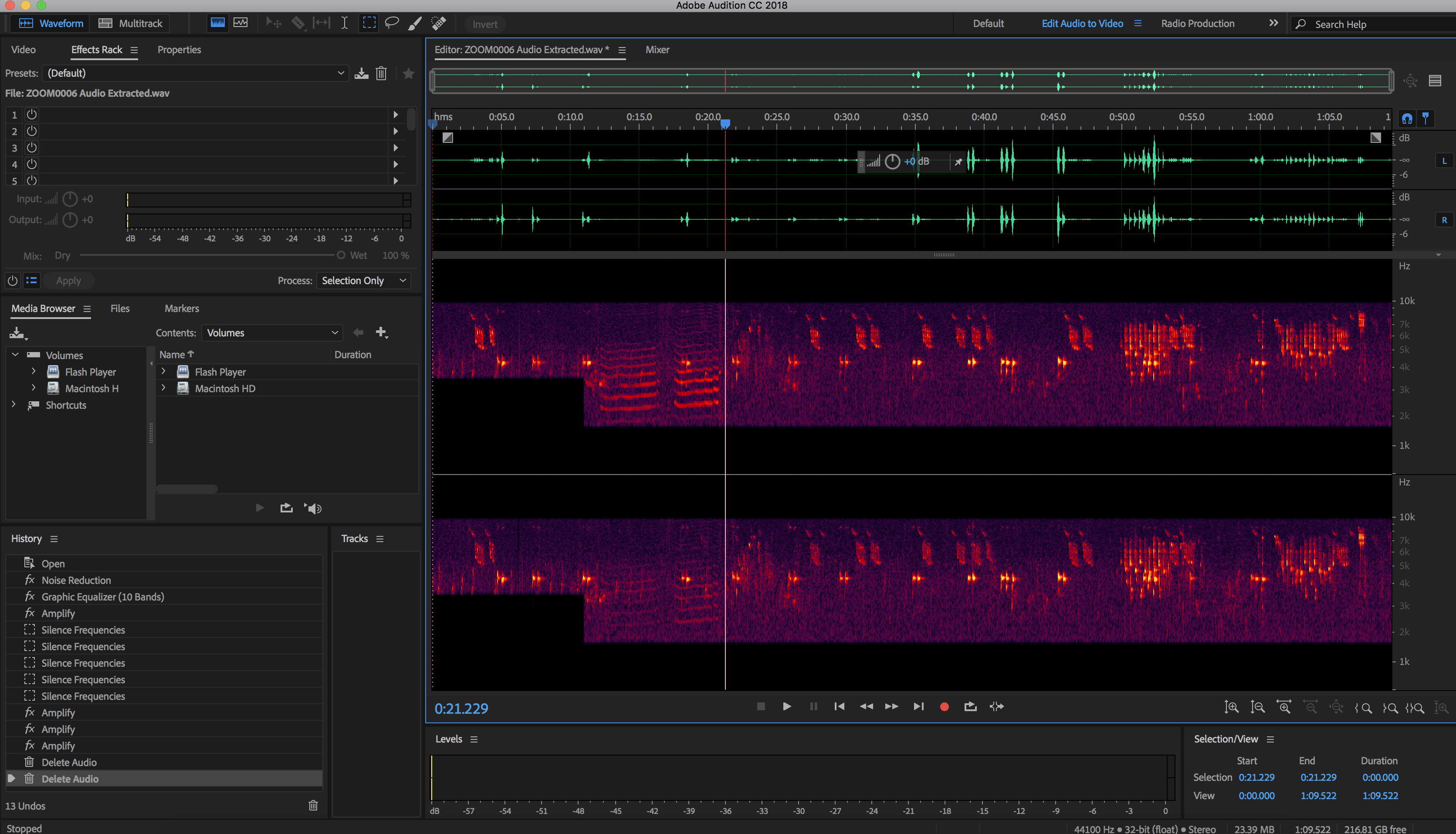
I also worked with a number of the birdsong/forest recordings that we had in Audition to remove the wind and road noise (and a fighter jet at one point) as much as possible.
Selective audio frequency edits and a few passes of noise reduction
I think the resulting film is a slightly surreal experience in 360.
I showed the first 2 360 experiments today to get some reactions and feedback. There were some really interesting conversations that echoed some of the difficulties that I was having approaching where to start with editing 360 footage.
A number of people commented that is was difficult to know where to start with a critique of the work because watching 360 is still such a new experience.
Experiment 1 started an interesting conversation about the frustration of having the control taken away from viewer when the video cuts, once a viewer is fined control to choose where to look it is jarring having it taken away again. The feedback did suggest that once the rhythm of the repeating images became clear that frustration was removed. I am going to try using slow cross fades on the cuts at the beginning to try and lead the viewer through the transition. I think it is worth pursuing this experiment further as viewers seemed to be engaged as they got the narrative expectation on the approaching cow. It was also notable that viewers didn’t start to ask more thematic questions once the more direct narrative became clear.
Experiment 2 seemed to be more immediately engaging as viewer commented that they wanted to explore the whole space to understand how the composite images had been created. I wonder if this interest will be engaged over multiple viewings and exploration once the novelty of the images has worn off?
This is my second experiment editing a 360 film, I wanted to try and use the layer effect to create a spacial narrative, rather than seeing a series of images in sequence that expresses and idea. No mater where the viewer looks they are looking through the images to be combined.
I like the combination of the forest and sea here, as these were the dominate features of the landscape that we encountered during the immersive. It suggests how the actions of these environments shaped the settlement of these areas, also the impact settlement has had on these places.
Process
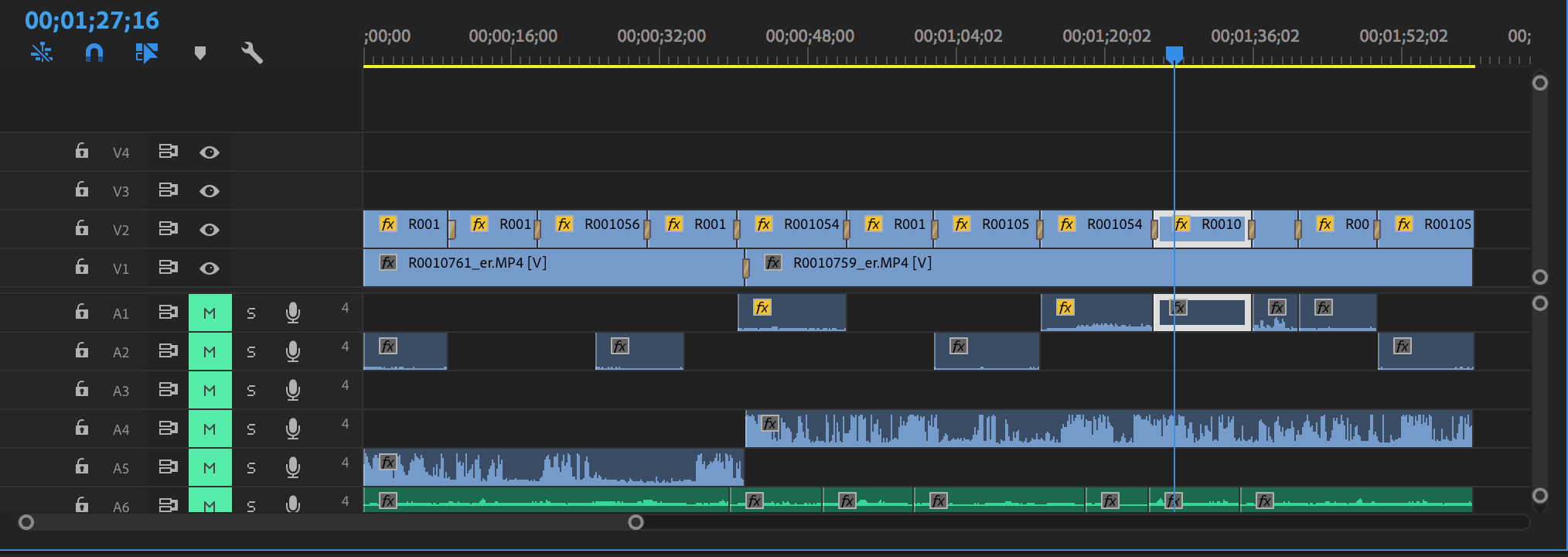
The effect was created by using the lighten and darken transparency blend modes in Premiere Pro.
The background layer is a series of underwater clips with Cross Dissolve transitions between them whilst the foreground layer is a series wooded locations again with Cross Dissolves.
I wasn’t sure layers and blend modes would work with 360 footage
The frequent movement in the underwater footage and the dissolve transitions generate constantly changing patterns where the blend mode produces unexpected results.
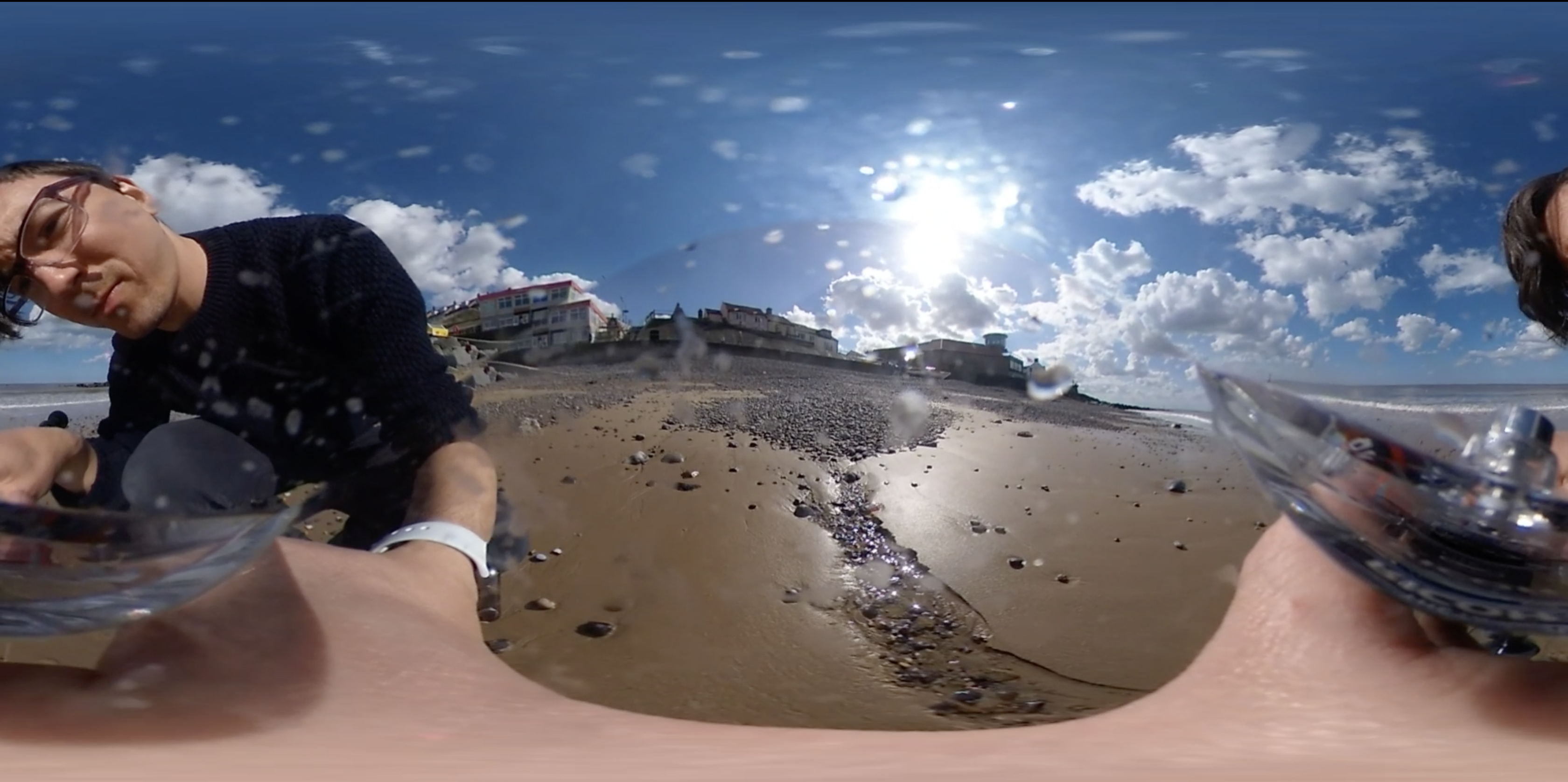
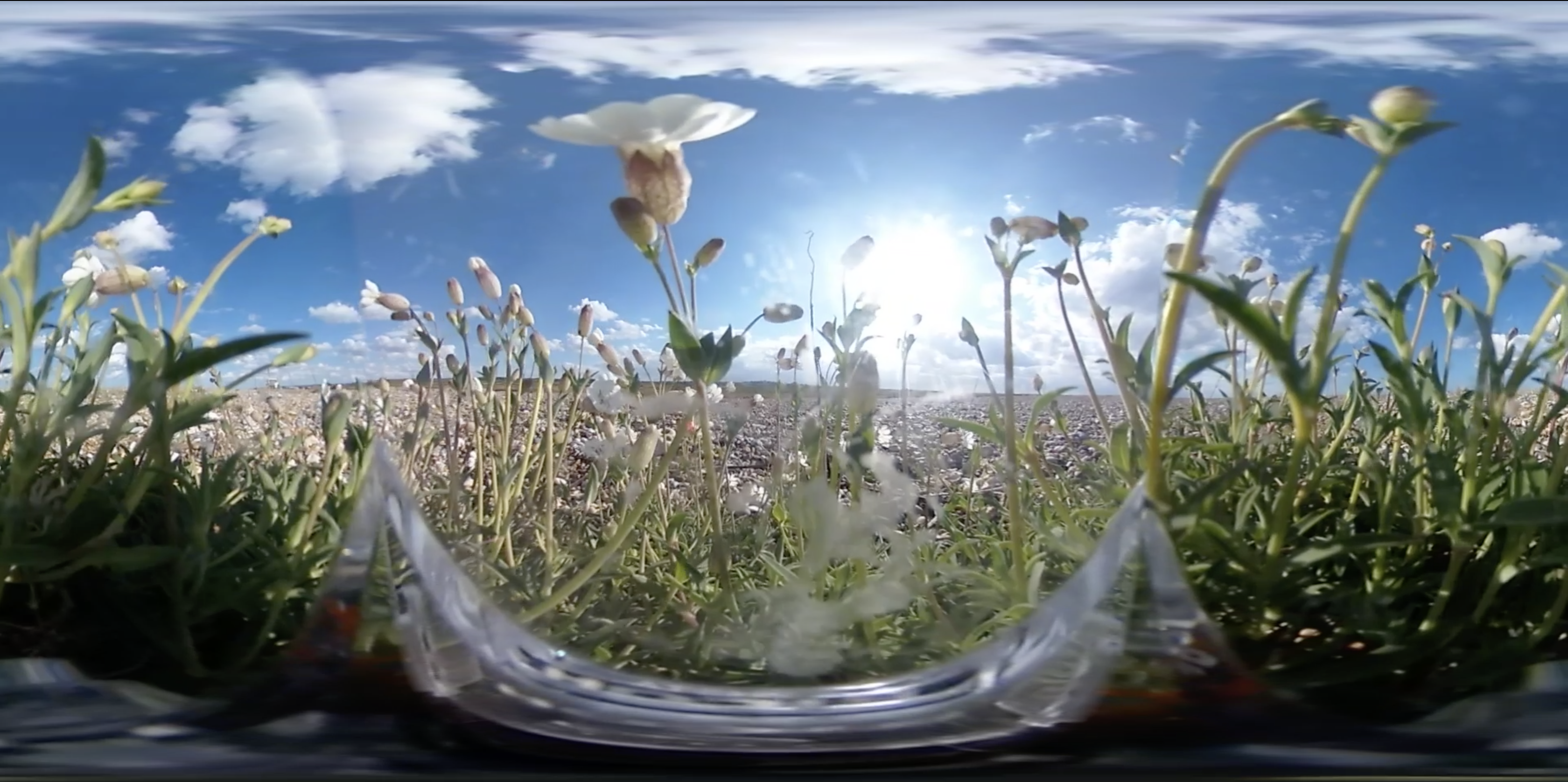
The combination of images in 360 is surprising and moves away from the static nature of the 360 cameraI am not hugely pleased with the way the underwater housing looks in this image
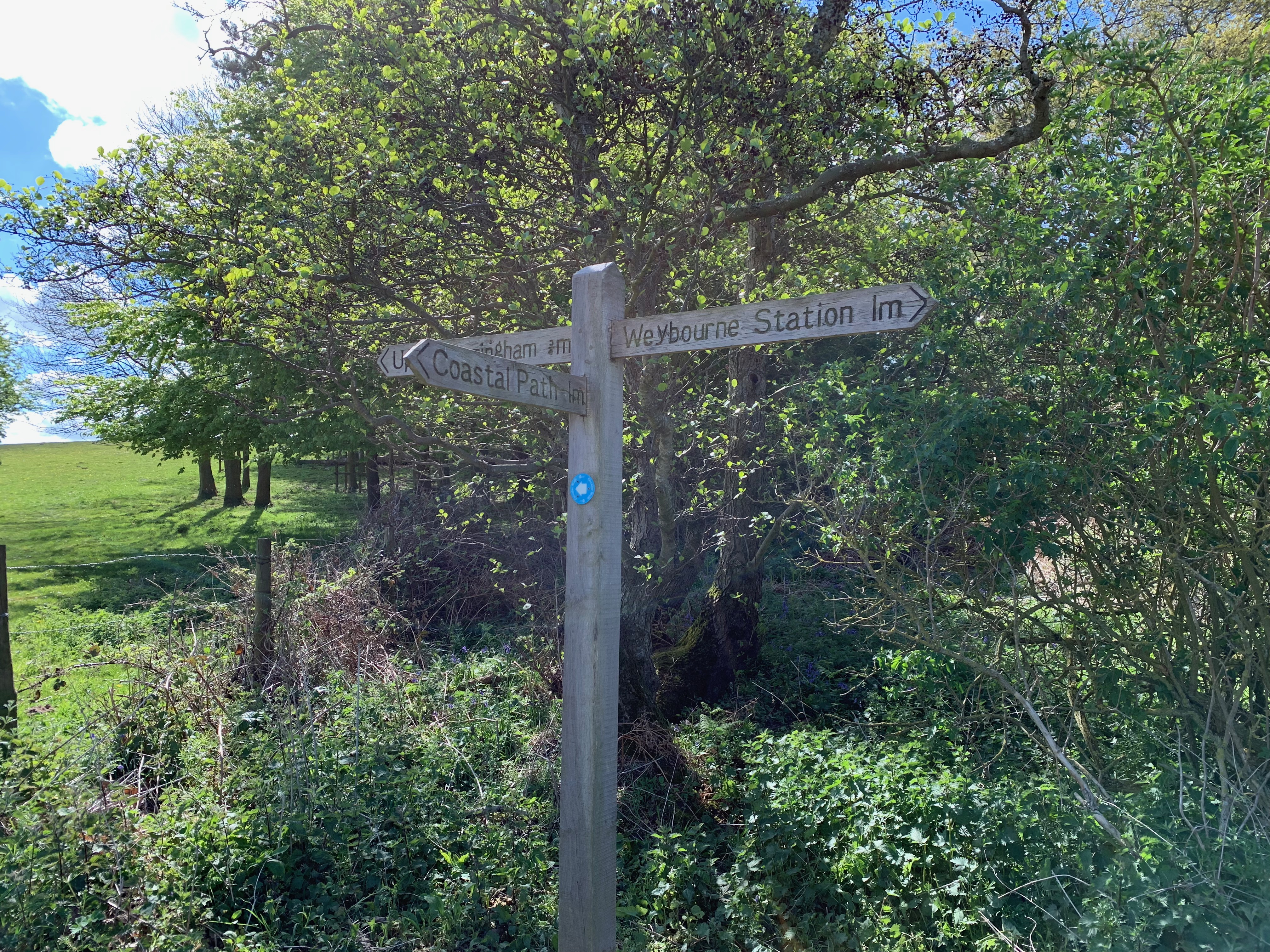
Norfolk is a weirdly long way from the West Midlands.
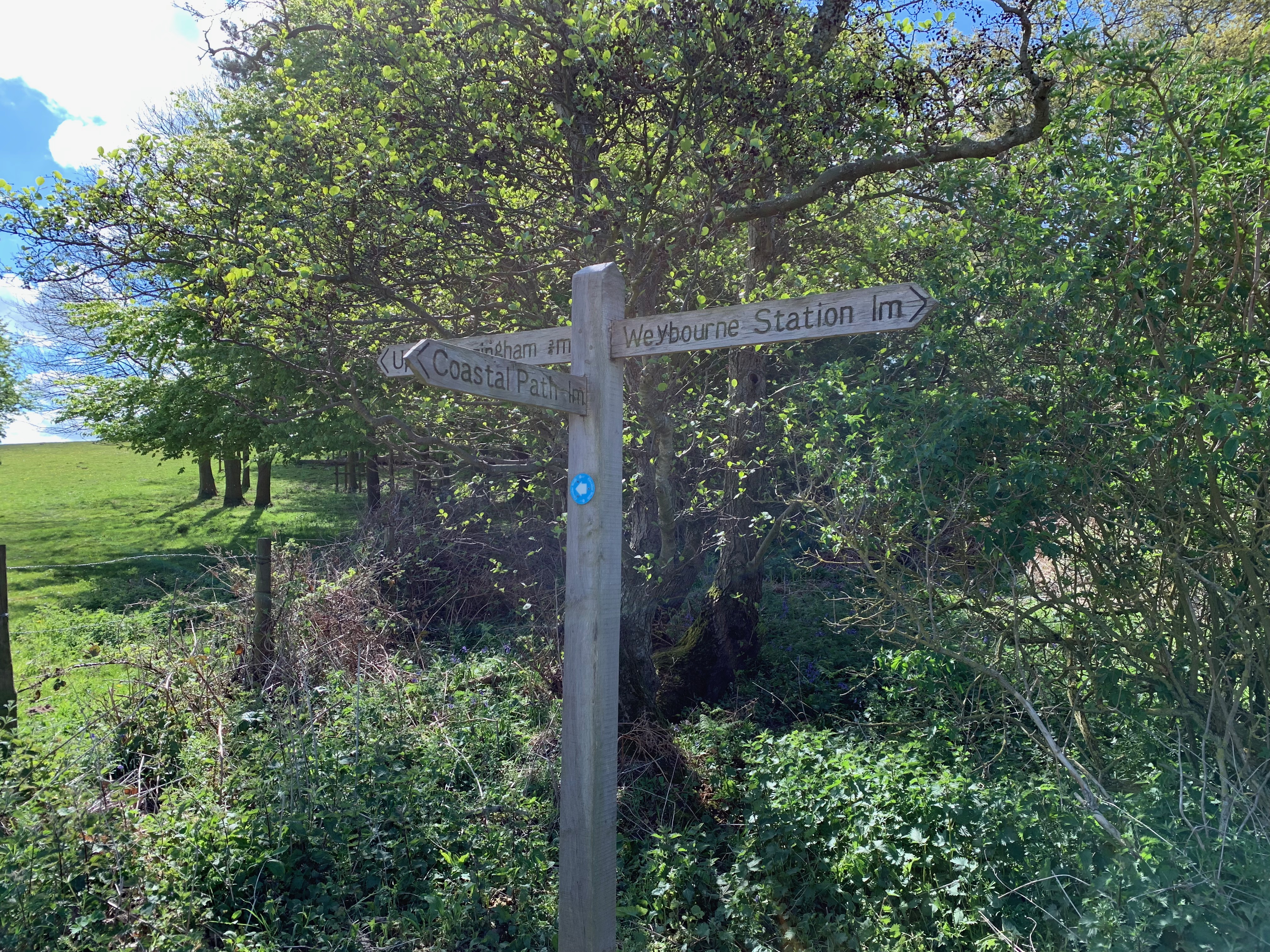
Even on a fairly quiet afternoon it still took over 3 hours to get from Coventry to Weybourne. This is interesting to me as it highlights that unevenness of infrastructure investment in the UK.
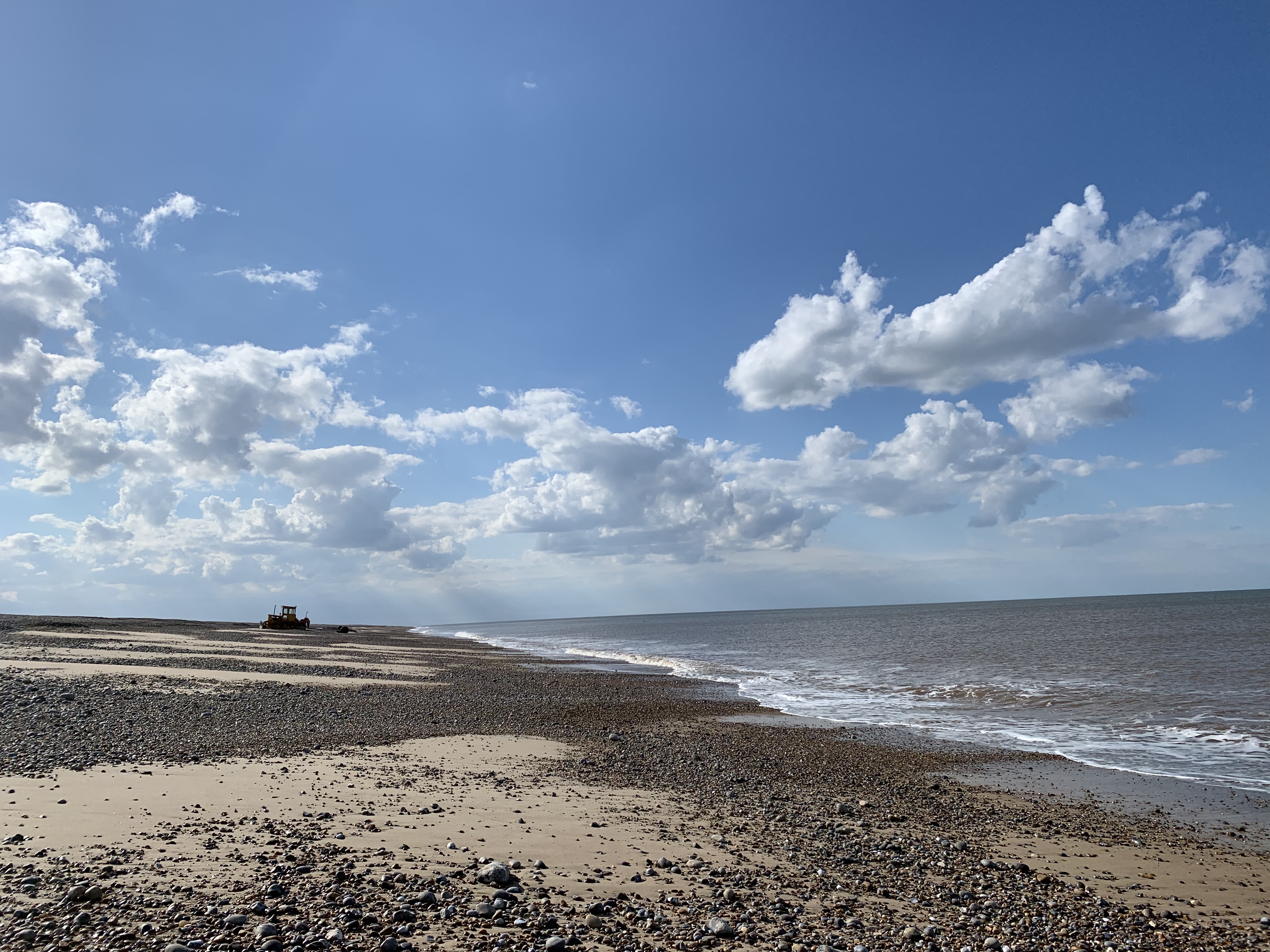
Norfolk is flat.
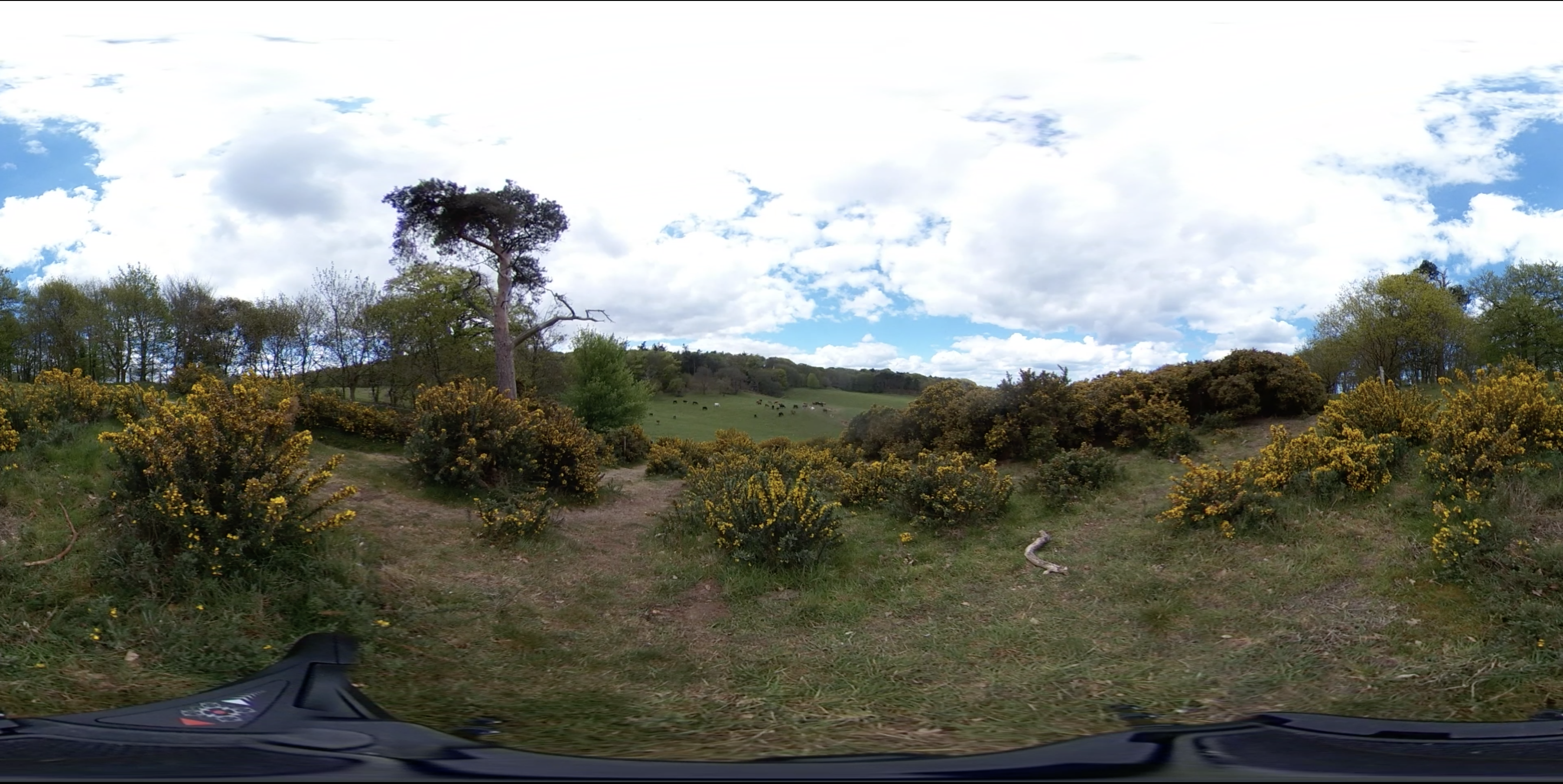
Again, nothing new here but the flatness had an impact when filming in 360, there was one location where I walked away from the camera for about a minute and still couldn’t get out of the shot easily.
360 film-making is awkward
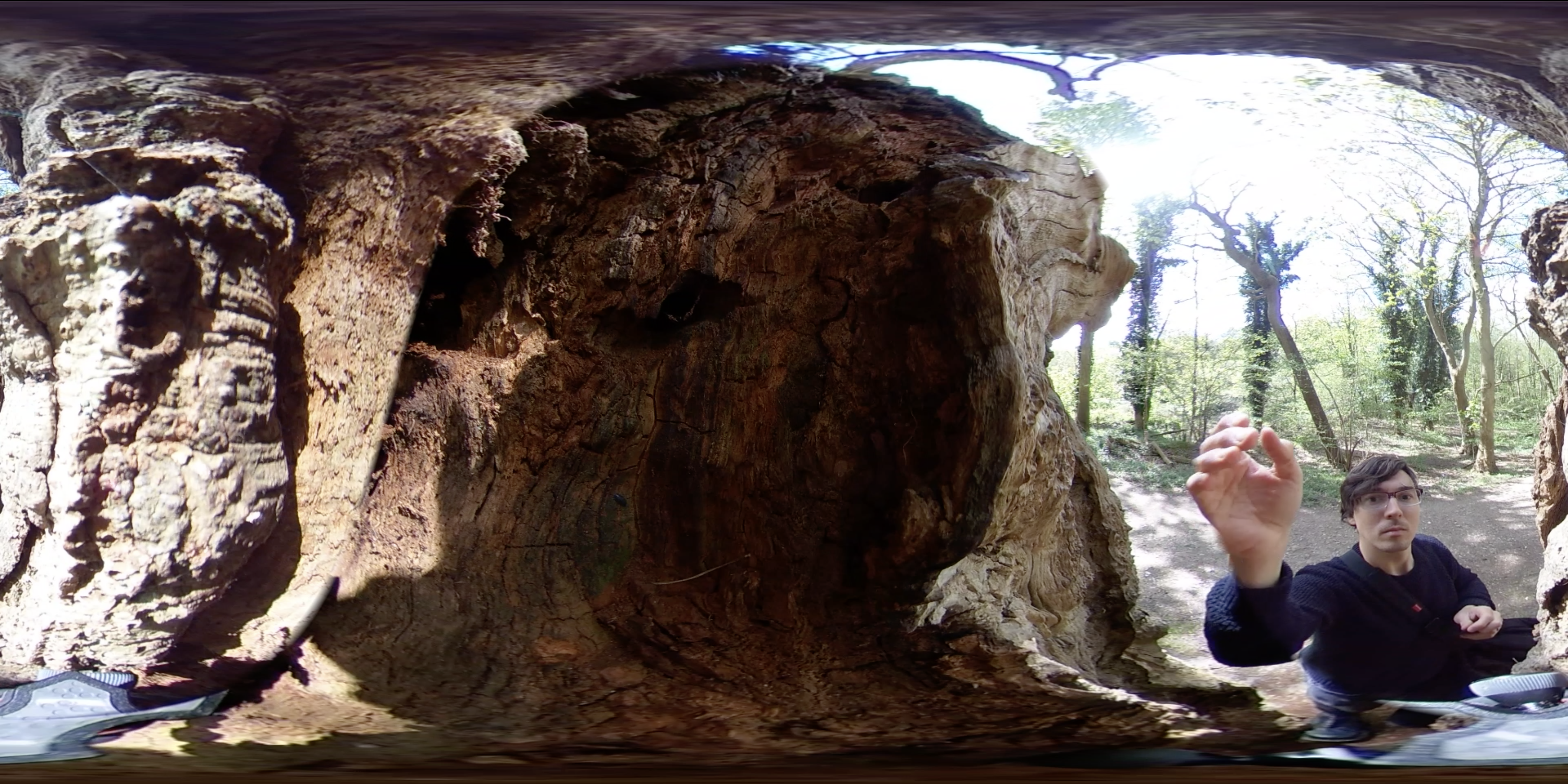
The images produced by the Theta V are generally great even in the forest with a wide range of tones the camera coped and produced interesting images with highlights and shadows that contain detail. For me I don’t like the workflow, connecting to a smartphone is unreliable and when trying to use it ‘headless’ the LED lights on the device are hard to see in bright light (I ended up with a lot of shots of me staring gormlessly at the camera.
Is it recording?Is it even on?
360 film-making needs a new approach
It was really hard to conceptualise the framing of a shot that doesn’t have a frame. Like a number of the projects this year I found myself having to try to forget the approaches that have worked for me in the past, the concept of a subject is fundamentally different when you can’t direct a viewers eye. I found it useful to try and think of it as 2 cameras filming with very wide lenses. Did each of the cameras include something of visual interest that would still be interesting given the extreme wide angle.
Not so interestingIf in doubt put it in the subject not by it
A few months ago I came across an article reviewing a book about the architect Peter Zumthor. In it there is a mention of an idea that “landscapes are historical documents.” The idea caught my interest so I saved the link but went back to what I was working on at the time.
As I mentioned in my post about Bauhaus, although I have never studied architecture formally a number of ideas from the field have had strong influences on my other work.
Once I began to explore the idea further I realised this was a concept explored across history, archeology, anthropology, the list goes on. I was reminded of just how small my knowledge is compared to the entirety of human learning and discussion. Here is a concept close to many ideas that I have been interested in for many years that I have never encountered.
Didn’t you study geology?
This seems even more profoundly strange when put in context that I studied Geology for a number of years and learnt to read landscapes, rocks, and strata as a document of geological time, and physical processes and activity. Detailed analysis of the types, deformations and positions of rocks in a place can give us an understanding of the story of a place as it has moved across the earth, been crushed, submerged, baked, uplifted, and scoured; each layer telling a detail.
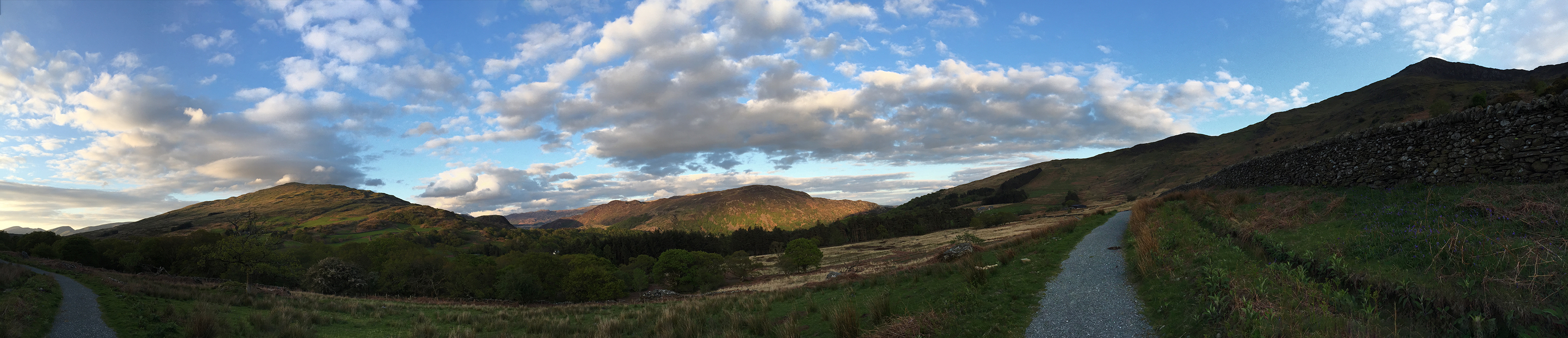
The shapes of the mountains reflect the layers of rock they are made from and also the action of the weather on the surface. Human impact is also there, some obvious, some less so.
Humans consistently modify their environments—both directly and indirectly. However, the linkage between human activity and anthropogenic landscapes intensifies in urban situations. The artificial landscapes and dense concentrations of human populations encountered in urban environments create a centripetal pull for resources that results in continual and distant landscape changes, thus inextricably linking urbanism and anthropogenic landscapes. Examining past and present patterns of urban settlement and environmental impact provides context for this symbiotic relationship. Archaeological data, methodology, and technology offer insight into the similarities and variations in urban anthropogenic landscapes across time and space, suggesting that ancient practices can be compared with contemporary ones and that ancient models may have applicability for future-focused urban planning.
The above abstract is just an example of the way that landscape as document is used. By studying landscapes the changing story of how those spaces are used, and has been used is readable.
Rolling hills covered in managed Camellia sinensis bushes. A tea plantation.
I realised during the writing of this post than none of this was completely new to me, I just hadn’t fully cemented the connections. I had encountered these ideas before when discussing landscape art with a close friend.
James Winnett has worked on a number of public art projects and installations that have responded to and been an extension of the story of the place.
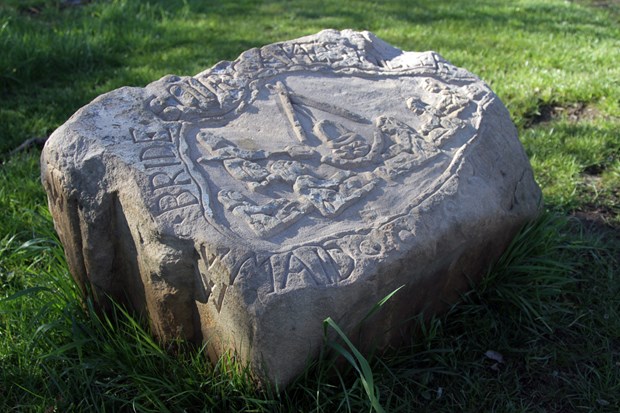
James Winnett – The Cunningar Stones
As part of the project 15 large carved sculptural works were produced drawing on an extensive programme of research and community engagement which examined the complex social, industrial and natural history of the site.
James Winnett – The Cunningar Stones
James Winnett – The Rise and Fall of the Grey Mare’s Tail
A jet of white water is forced skyward from a gravity-fed fountain placed downstream of a dramatic highland waterfall. Powered entirely by the immense natural energy of water, the intervention was developed to explore a number of related themes from debates on sustainability and energy use to questions of landscape identity and representation.
James Winnett – The Rise and Fall of the Grey Mare’s Tail
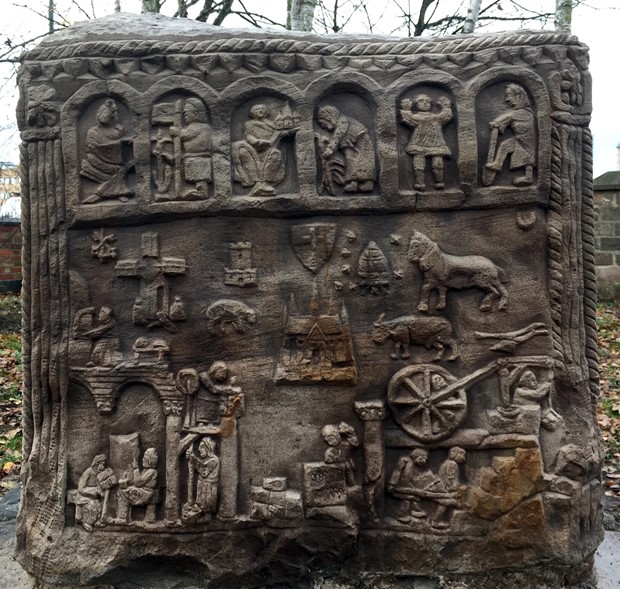
James Winnett – The Lenton Priory Stone
The stone appears as a medieval artefact, the four faces functioning as chapters in the story of the site in which it stands. A series of arches above each panel depict the agricultural labours of the four seasons, interspersed with key figures who shaped the events unfolding below.
James Winnett – The Lenton Priory Stone
Winnett’s work in each of these cases is not only a representation of the story of the place but becomes part of the story of the place. As public art it designed to be a physical destination and a locus for conversation.
Each stone was recovered from the ground after being dumped there during the demolition of the Gorbals in the 1960s. Developed to reference Scottish folk carving while retaining the aesthetic of an architectural ruin, the stones act as landmarks within the landscape encouraging exploration and generating interest in the identity of the park. Each stone retains the architectural details and other marks from its history with my own carvings intervening in these layers. Many of the carvings reference the rich flora and fauna of the park.
James Winnett – The Cunningar Stones
As Winnett discusses he is interested in the way that places and objects hold their story and that his intervention becomes just one moment in that ongoing story. Similar to Duchamp’s ready mades, Winnett seems to suggest to me that there is nothing specifically superior about the contribution o the artist to the history of the object, only that they want to draw an audiences attention to the story of the object. By recontextualising an existing object as art, whether by moving it into a gallery, or by adding to its story the artist reminds us that narratives that surround our seemingly ordinary objects.
Another way to think about Poetic
This reminds me of John Akomfrah’s ideas of film preserving a moment in time. It has been interesting to contrast the Netflix natural world series Our Planet (2019. Chapman et al.) with Vertigo Sea (2015, Akonfrah). Other than the multiscreen nature of Akomfrah’s work that are similarities between the works; beautiful photography of the natural world, discussion of our human impact on the world we live in. I really enjoyed Our Planet (especially the more opinionated environmentalist angle on the narration), but with these same pieces Akomfrah is able to create something else, not just a documentary about the natural world, but a cinematic poem.
he has continued to mine the audiovisual archive of the 20th century, recontextualizing these images not only by selecting and juxtaposing them but also through the addition of eloquent and allusive text. In Memory Room 451 (1997), Akomfrah speaks of memories become dreams and vice versa. In similar fashion, his films use found footage to create cinematic poetry and then use this poetry to tell history afresh.
I started this post back in October after Ken’s Paris Report, I started to put down some thoughts based on the descriptions of the Lee Minwei piece Sonic Blossom.
Lee Mingwei discusses Sonic Blossom
I can attest that for an attentive listener the effect can be intense and powerful. I was reduced to tears after the performance and couldn’t even compose myself to thank Ms. Guan properly.
It is difficult to discuss a work like Sonic Blossom in depth without having experienced it yourself, but the above quote seems to be a common experience of those that have experienced the work, that even in a public gallery setting it is a very personal immersive experience.
Although spectators can witness someone else having the experience of Sonic Blossom, and can enjoy the beauty of the music, they are locked out of the direct gift (Lee Mingwei’s term for the song-experience). I considered this with relation to immersive cinematic experiences, whether a more experimental approach like Leviathan or a mainstream blockbuster like the latest Marvel Studios film. Advancements in cinematic technology have often been about creating a more immersive experience; sound, colour, bigger screens, 3D. Cinematic conventions seek to construct a seamless approximation of space to aid with the suspension of disbelief. I am not trying to argue that a cinematic experience is more immersive or intimate only it is a highly immersive experience that can be shared and discussed afterwards.
I came across Nicole Lazzaro a user experience designer working in games and VR discussing the way we feel as well as hearing sound. It was not something that I had thought about before but seemed obvious once it had been articulated, we feel the pressure waves of sounds as well as hearing them. In this way cinema engages with three senses not just two (I don’t think that this is true for TV).
I didn’t manage to finish this post the first time round as I had an unfinished set of ideas that I still haven’t managed to finish processing about how the immersive experience of cinema allows us to try on different Identities. I just left myself a list of notes that said:
Foucault
Giddens
Lynch and Shakespeare
World is a stage
I came back to finish off this post because in developing an approach for the 360 video poetic film and the immersive trip I was reminded of the idea of presence, being there.
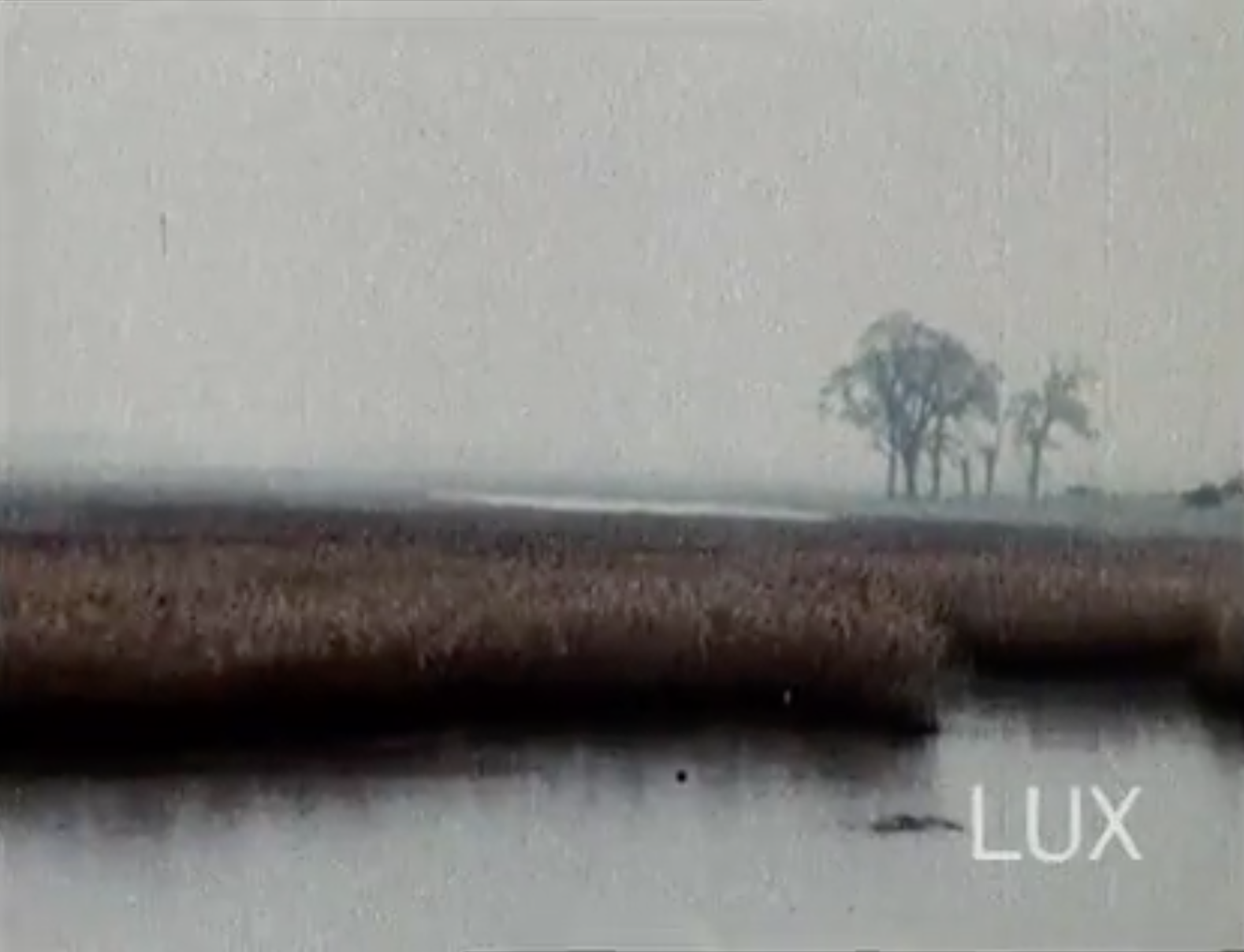
View William Raban (1970)View William Raban (1970)
The above images are from View William Raban (1970) a motionless camera captures a riverbank, postproduction manipulation draws our attention to changes. In particular the changing, very British, weather seems to reflect the unpredictability of the being out in the landscape The muffled voices remind us of the film-maker standing next to the camera, this is an unromantic record of an unremarkable view.
The title, View, both draws our attention to the experience of watching the film and makes us think about the pleasure of the countryside. A ‘view’ is normally thought of in terms of a ‘good view’, but this sight is flat, muddy and foggy. Raban has said that he is not interested in the romance of the image but instead what it is to record it – he was engaged with deconstructing images and took an almost scientific approach to his work at this time – and these notions are reflected here.
Time changes the landscape, it changes places, although made in 1970 there seems to fresh relevance to this examination of the process of recording images of the landscape. For me Raban is asking us to reflect the the urge to take unremarkable snapshots of the places that we go. With the ubiquity of image making technology we can constantly create records of our path through the landscape, but are these images valuable historical documents or muted facsimiles that interrupt the creation of more romantic memories. In retelling an event that we had from memory we construct a narrative based on the ‘truth’ of our experience of the event, it is subjective, personal, and colourful, a image of the same cannot replicate this completely, does a more objective kino-eye reduce and diminish the experience. In View by manipulating time Raban seems to remind us that this is a image, recorded by a machine, breaking the illusion that it is real, he stops us from becoming immersed.
Focus II – Jenny OkunFocus II – Jenny Okun
Both a frenetic energy and a remarkable stillness seem to collide in this unusual film, shot on 16mm with a powerful telephoto lens. Artist Jenny Okun adjusts her camera and observes gentle changes in the landscape, at the same time exploring abstraction.
Jenny Okun’s films are notable for their simple yet boldly experimental qualities. In the 1970s she filmed elements of the British landscape and weather and was also interested in musical notation and sound. Today Okun works in several different mediums; not unlike this film, her drawings and sculptures appear to compress time and energy, with jagged lines and edges which simultaneously project and freeze life and movement.
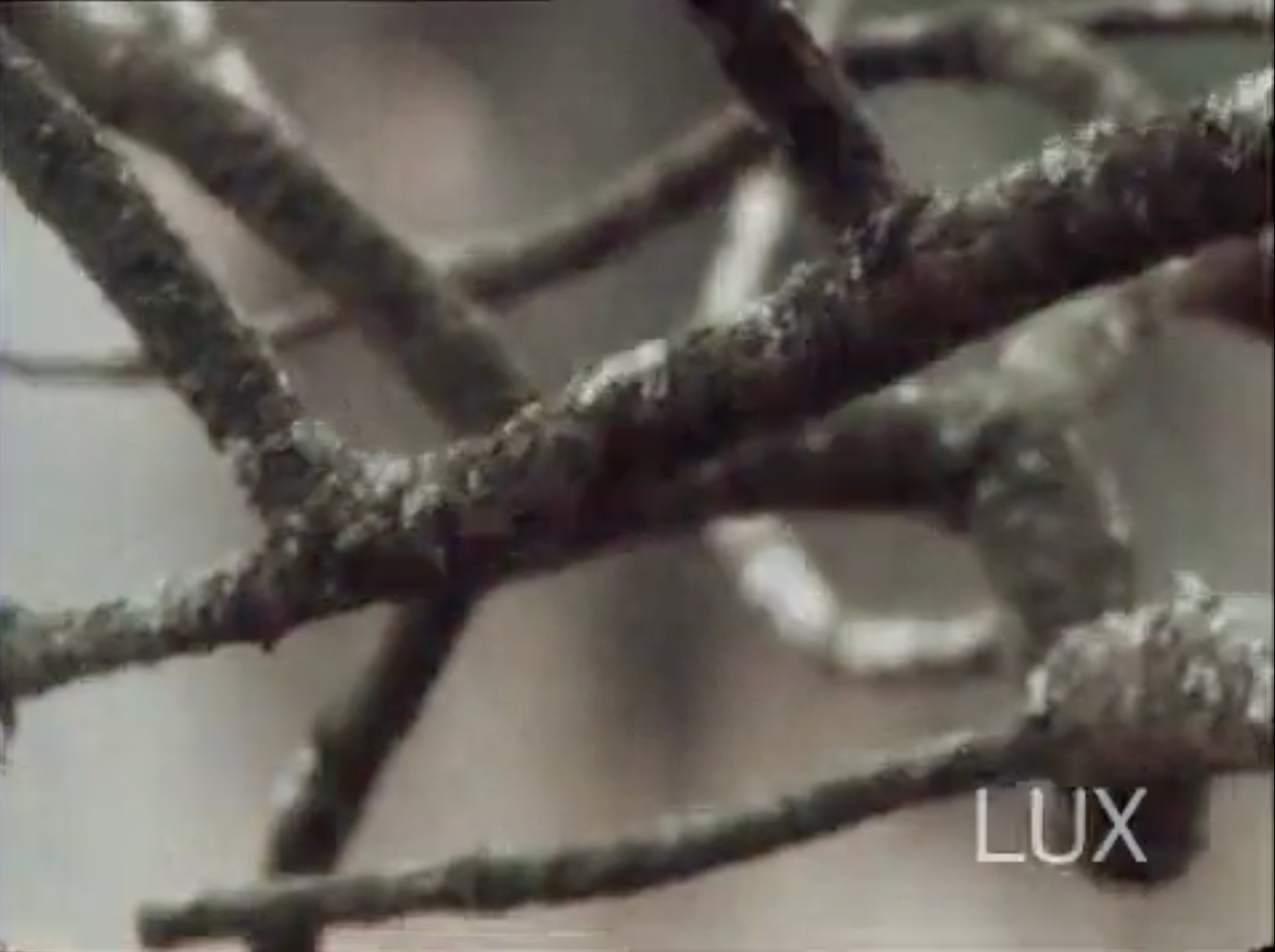
Similar to Raban Okun’s film Focus II (1978) draws attention to the film-making, this time rather that post-maniputation the hand of the artist on the lens is felt in the jarring shifting focus. The otherwise still composition crashes between focus of the mossy detail on a tree branch and an obscured view of a more distant landscape, an otherwise peaceful view is render chaotic and disorienting, as a viewer we are reminded that we are not in control of this experience (unless we choose to stop watching). This lacking of control is something that is normally subtly manipulated in traditional film-making, light, composition, and focus are adjusted by the film-makers to control an audiences gaze and orchestrate a specific immersive experience. Okun seems to be challenging the idea of suspension of disbelief, we are brutally thrown around the film, very aware that we are watching a work of time-based art on a two dimensional screen.
Both of these films are causing me to question the relationship of the artists choices and the control of the viewer when considering an interactive 360 degree video. When using 360 video we give up much of the control mentioned above, the viewer chooses when and where to look, especially when viewed in a VR headset there are no frame edges for reality to leak into the viewing experience, this has the potential to be very immersive.
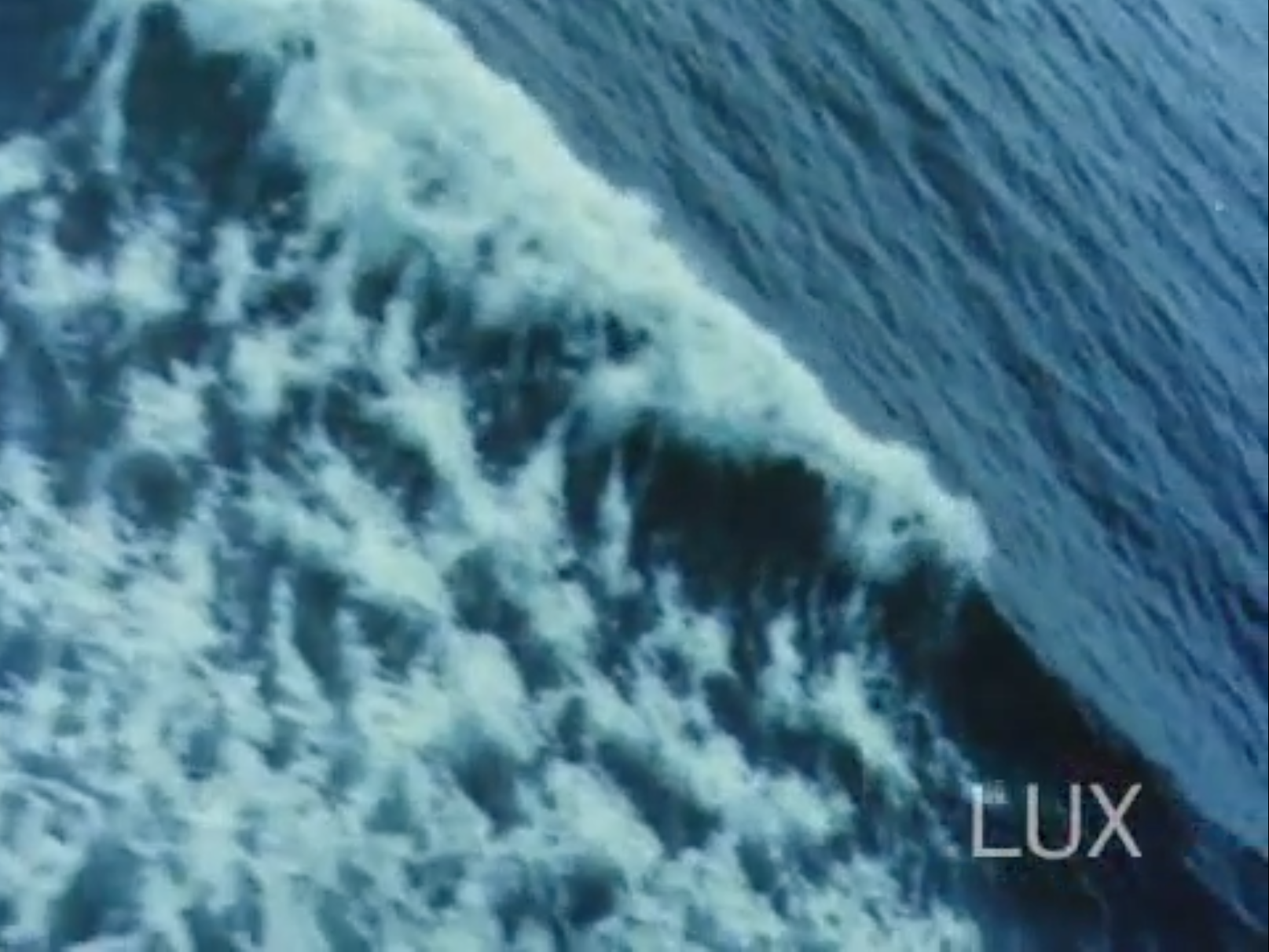
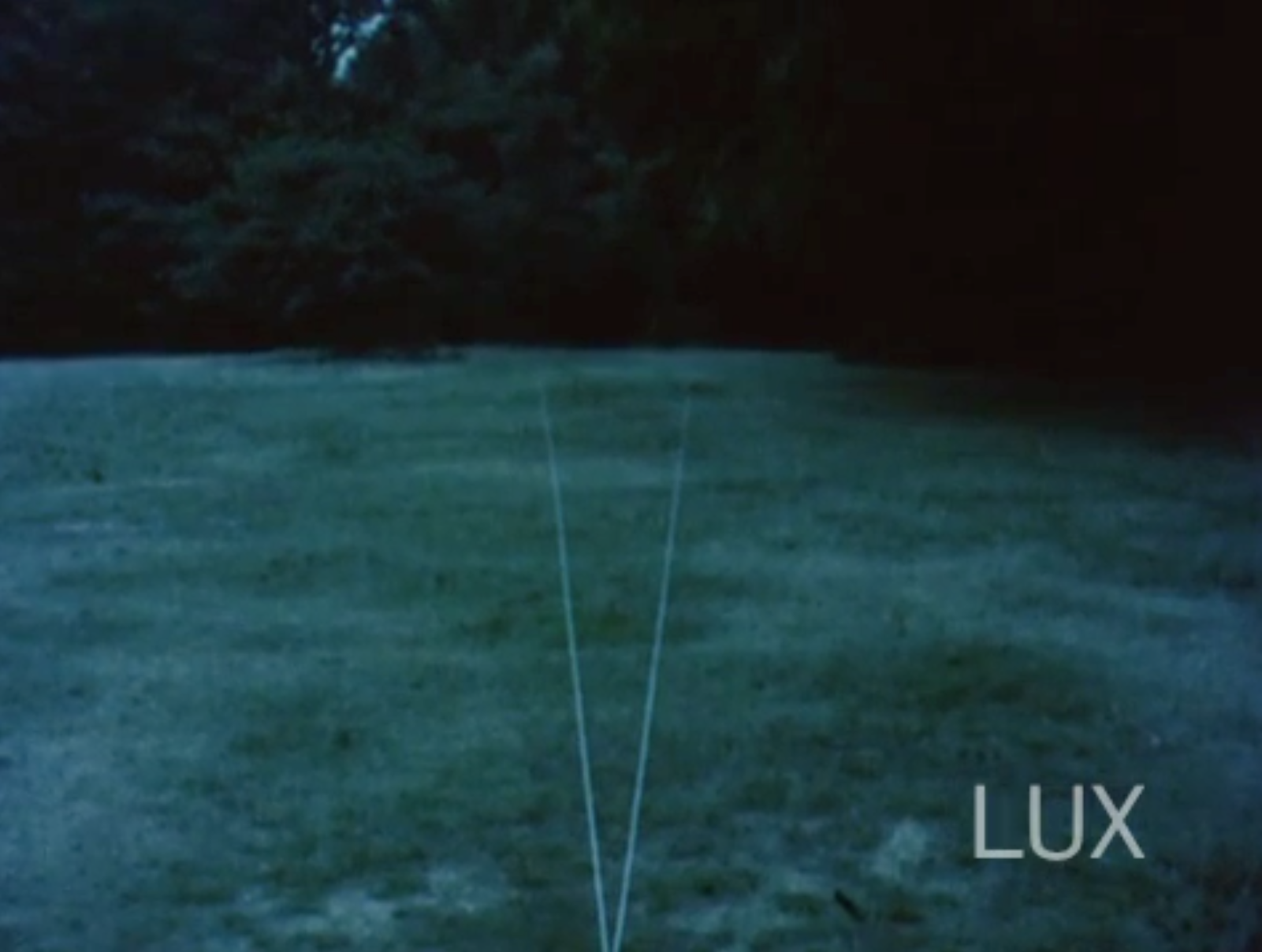
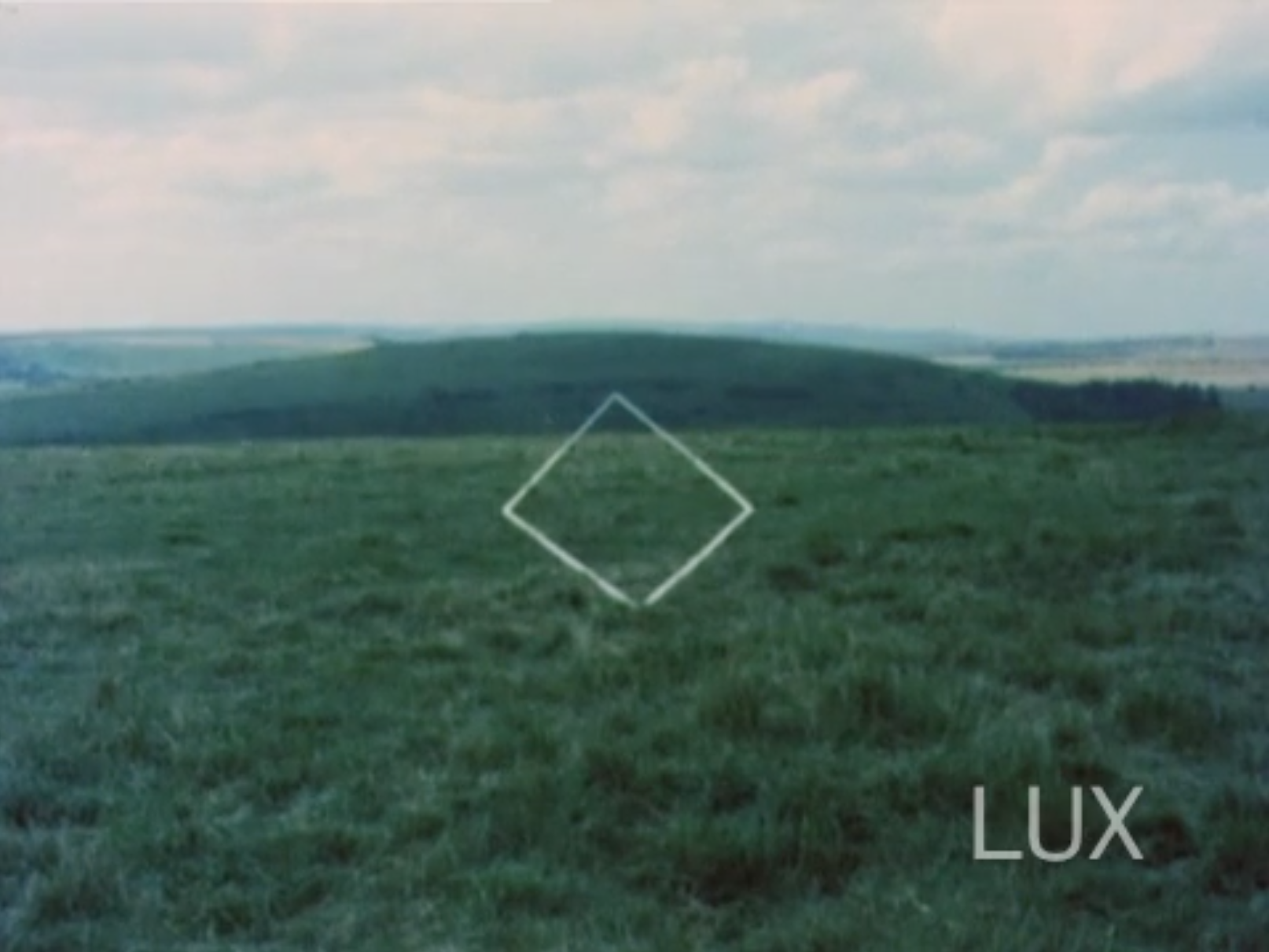
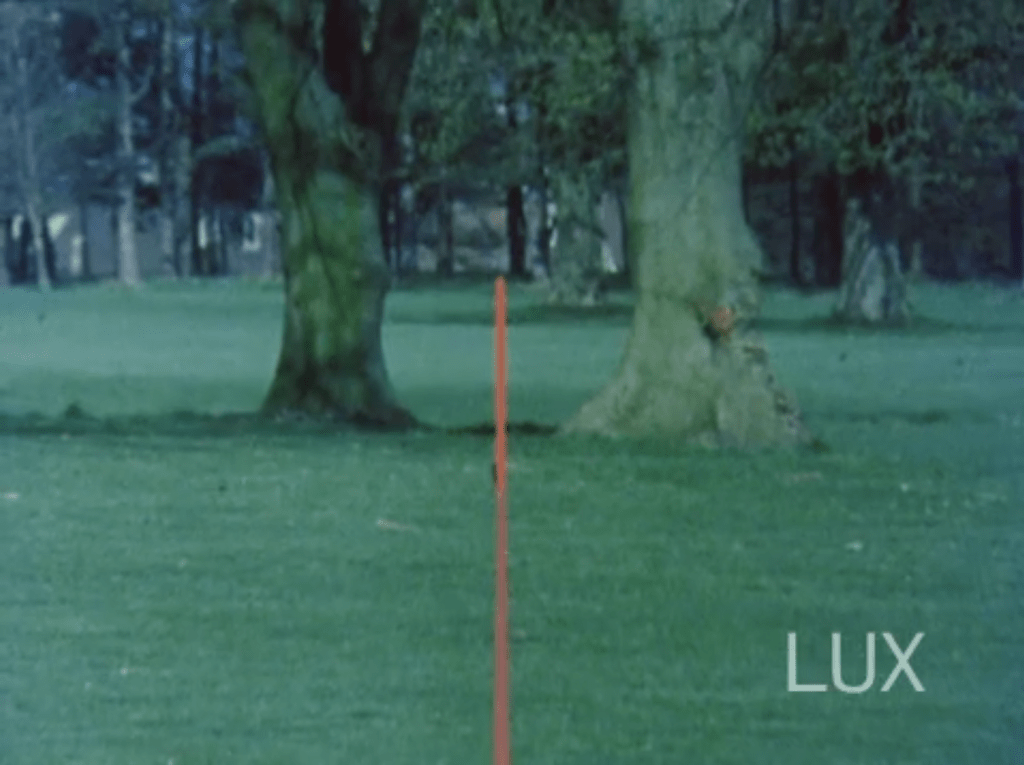
In Vertical (1969) David Hall approaches challenging our understanding of space through the incorporation of perspective questioning scupltures into the landscape. For me Hall’s work is arresting in the way that we are forced to think about, the space of the landscape, the artist recording it, and the fallibility of our way of seeing it.
“.. it would be a mistake to regard this film as documentation of sculpture.. It is important to realise that the sculptures only work because they are recorded on film. Their function in the film is to draw attention to the difference between our actual experience of space and the representation of three dimensions on a two dimensional surface.”










 mattprentice
