A dwindling resource

As a counterpoint to the creativity of the A.I artist are the algorithms that are collecting sorting and processing the trails of data left behind by our 21st Century digital lives.

No two companies have done more to drag private life into the algorithmic eye than Google and Facebook. Together, they operate the world’s most sophisticated dragnet surveillance operation, a duopoly that rakes in nearly two thirds of the money spent on online ads. You’ll find their tracking scripts on nearly every web page you visit. They can no more function without surveillance than Exxon Mobil could function without pumping oil from the ground.

https://idlewords.com/2019/06/the_new_wilderness.htm

There is a reoccurring narrative at the moment that there are risks associated with the reduction in privacy that results from this data collection, and privatisation, I found this article our it succinctly.

My own suspicion is that ambient privacy plays an important role in civic life. When all discussion takes place under the eye of software, in a for-profit medium working to shape the participants’ behavior, it may not be possible to create the consensus and shared sense of reality that is a prerequisite for self-government. If that is true, then the move away from ambient privacy will be an irreversible change, because it will remove our ability to function as a democracy.

https://idlewords.com/2019/06/the_new_wilderness.htm

It doesn’t seem to be a new idea, Foucault was discussing it before the contemporary advances took place.

Foucault argues that the use of disciplinary power has extend everywhere in society – it is not only in prisons that disciplinary power (surveillance) is used to control people; and it is not only criminals who are subjected to disciplinary power.

https://revisesociology.com/2016/09/21/foucault-surveillance-crime-control/
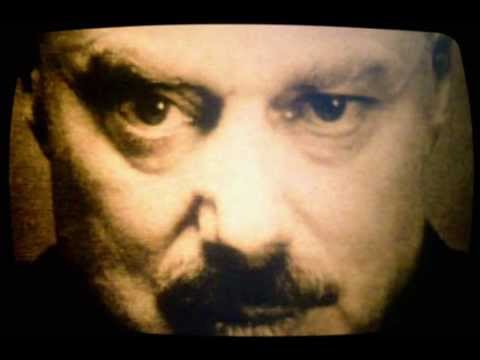
George Orwell’s Big Brother appeared in June 1949

I found the parallel drawn between the environment and privacy to be compelling as a concept.

All of this leads me to see a parallel between privacy law and environmental law, another area where a technological shift forced us to protect a dwindling resource that earlier generations could take for granted. 

The idea of passing laws to protect the natural world was not one that came naturally to early Americans. In their experience, the wilderness was something that hungry bears came out of, not an endangered resource that required lawyers to defend. Our mastery over nature was the very measure of our civilization.

https://idlewords.com/2019/06/the_new_wilderness.htm

It linked to something that I have been considering when writing the script for my current film. Life needs resources to continue but these resources are dwindling, as we master our environment we can control it more completely, but this process of claiming controlling is reductive, it destroys the delicacy and beauty of the original thing. There are already those who are concerned about how we will consume the solar system once we reach out into it.

“On a timescale of less than a millennium we could have super-exploitation of the entire solar system out to its most distant edges,” the authors wrote. “Then, we are done.”

https://www.livescience.com/65472-scientists-propose-solar-system-national-park.html

Will ever more advanced capitalist algorithms be able to see this destruction, will this cost weigh into the equation?
Alt Artist

As I have noted during the development of other projects this year I am really interested in discussions of authorship and alternate voices. I have been looking for ways to explore this through the narration in the my current project. Rather than a specific point or idea that I want to express this project seems to be a series of questions that I want to ask.

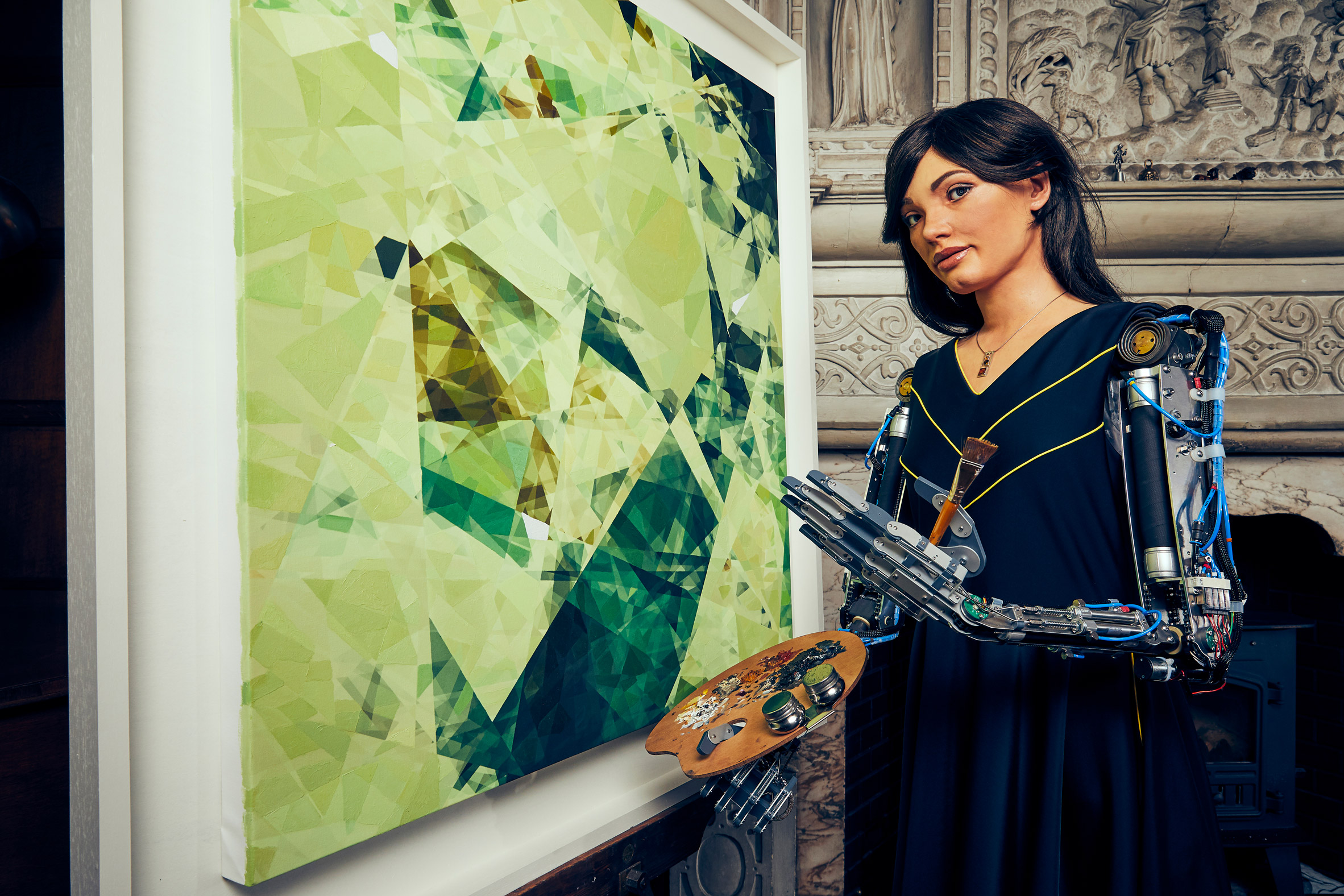
Ai-Da’s drawings are fed into AI algorithms to create abstract paintings.
Photo by Nicky Johnston via Dezeen

I came across this article about an Artificial Intelligence Artist in my RSS feed.

Manufactured by a team of engineers specializing in robots with human-like features and using algorithms developed by scientists at Oxford University, Ai-Da captures images in front of her with a camera in her eye. A series of algorithms then send instructions to her robotic arm and hand, which was created by students based in Leeds, U.K. Ai-Da takes her name from Ada Lovelace, the world’s first female computer programmer

https://time.com/5607191/robot-artist-ai-da-artificial-intelligence-creativity/

The art on show includes drawings, paintings and sculptures rendered from her algorithmic instructions.

https://time.com/5607191/robot-artist-ai-da-artificial-intelligence-creativity/

This collaborative creation process reminded me of the question that I asked about the discoveries made by satellites, whose discoveries are they? The algorithms and robotics are designed and created by humans, it could be argued that Ai-Da is a complex paintbrush.

A painting created using data from Ai-Da’s data response to an oak tree
 Victor Frankowski via Time

Algorithmic and process based artwork is not new, part of the quest of abstraction and conceptual art is the distancing of the artist from the work.

The complex visual output is printed onto canvas, where a human artist then paints over part of the canvas. “The potential for technology to augment the human potential for creativity, to expand the achievable horizons of creative expression and to possess its own creative potential as an entity of its own is so fascinating and exciting,” says Aidan Gomez, a researcher at Oxford working on the project.

https://time.com/5607191/robot-artist-ai-da-artificial-intelligence-creativity/

https://www.sfmoma.org/watch/andy-warhol-makes-a-silkscreen/

Duchamp used ready made objects, Warhol used techniques of mass production. What is it that makes this the work of an AI artist?

“What’s intriguing here [with Ai-Da] is that people get very taken in by a robot that looks human,” says Marcus du Sautoy, a professor of mathematics at Oxford University

https://time.com/5607191/robot-artist-ai-da-artificial-intelligence-creativity/

On a similar train of thought I found a podcast about an audioartist creating plant music.

Data Garden Plant Music

The music is created by connecting four plants to different synthesisers via a midi interface. The changes in the plants biology are reflected in changes to the midi notes that play the synthesisers. Are the plants playing the music, or are they generating a random sequence that drives an instrument programmed by a human? The creators of the midi sprout suggest that changes in the environment, such as the presence of people, change the rhythm of the plant and this changes the performance.

I am not going to pursue this idea of automation or distance in the piece that I am working on at the moment, the opposite I want to be as hands on as possible with the creation of the sounds and images for this film. What I am inspired by here is how these questions inform the voice of the narrator from the end of the universe. The voice is that of an A.I created by humanity the has outlasted them and grown beyond them.

Blade Runner – Ridley Scott (1982)

I’ve Seen thing you people wouldn’t believe.

Blade Runner – Ridley Scott (1982)

I want to use this perspective to question our relationship with what we make, how we live, the choices we make individually and collectively.

Voice from the future

I have been puzzling over the gender of the synthesised voice that is going to provide the narration for the film. The question was how does it change the reading of that voice depending on the gender. What are the implications of each choice?

I worried that if the voice was male then it would seem like I had not considered the choice, it was male because I am male, science is male, men explore.

I worried that if it was female then it would sexualise the object, not was female because ships and car are female, objects.

Watching a film created by one of my students that presented a montage of feminists speaking about the need to keep addressing issues of representation I came to my solution.

The voice will be male, and the character will call out the decision in the film. The voice is male because in the early 21st century a male voice has more power still.

I’m not sure how elegant this solution is but I feel it fits with some of the other questions in the film.

Mary Douglas – Matter out of place

Whilst searching for some clarification about entropy for the script for my current project, I ended up down a path looking at dirt and came across this article looking at the work of Mary Douglas.

“the old definition of dirt as matter out of place.”

Ben Campkin (2013) Placing “Matter Out of Place”: Purity and Danger as Evidence for Architecture and Urbanism, Architectural Theory Review, 18:1, 46-61, DOI: 10.1080/13264826.2013.785579

This idea caught my thinking as I was considering someone teetering at the end of existence looking back, if we take mater literally, the stuff of the universe, when is it out of place? Campkin’s article considers how Douglas explored this.

Yet, there is no such thing as absolute dirt—it is a matter of perception and classification.

Campkin (2013)

There is an argument within cosmology that as the universe expands and cools the entropy will increase until everything is uniform, I was intrigued by the though experiment of someone at this point looking back, there are no stars, no lights, endless sameness, flatness. Would this sameness appear organised or disorganised? This state would provide no energy for sustaining life. This bought to mind the obvious Dylan Thomas reference.

Do not go gentle into that good night… Rage, rage against the dying of the light.

Do not go gentle into that good night – Dylan Thomas

This seemed like a motivation of this film that I am developing, the character standing at that end point looking back wanting to send a message that might outlast them as the lights go out, to leave something behind, to not be forgotten, to be heard.

In this, the researcher (Douglas) embedded herself within an environment characterised by its “otherness”, often for years at a time, in order to understand people in relation to the region in which they lived, their kinship relations, their politics, language, economy, technologies, and so on.

Campkin (2013)

This argument summarises for me why consideration of dirt is important, what is considered clean/dirty, good/bad, beautiful/ugly is not inherent, within different cultures and communities this is set by the power systems.

IMG_0870

This has implications for whose voice is heard and how that voice is classified.

Godard

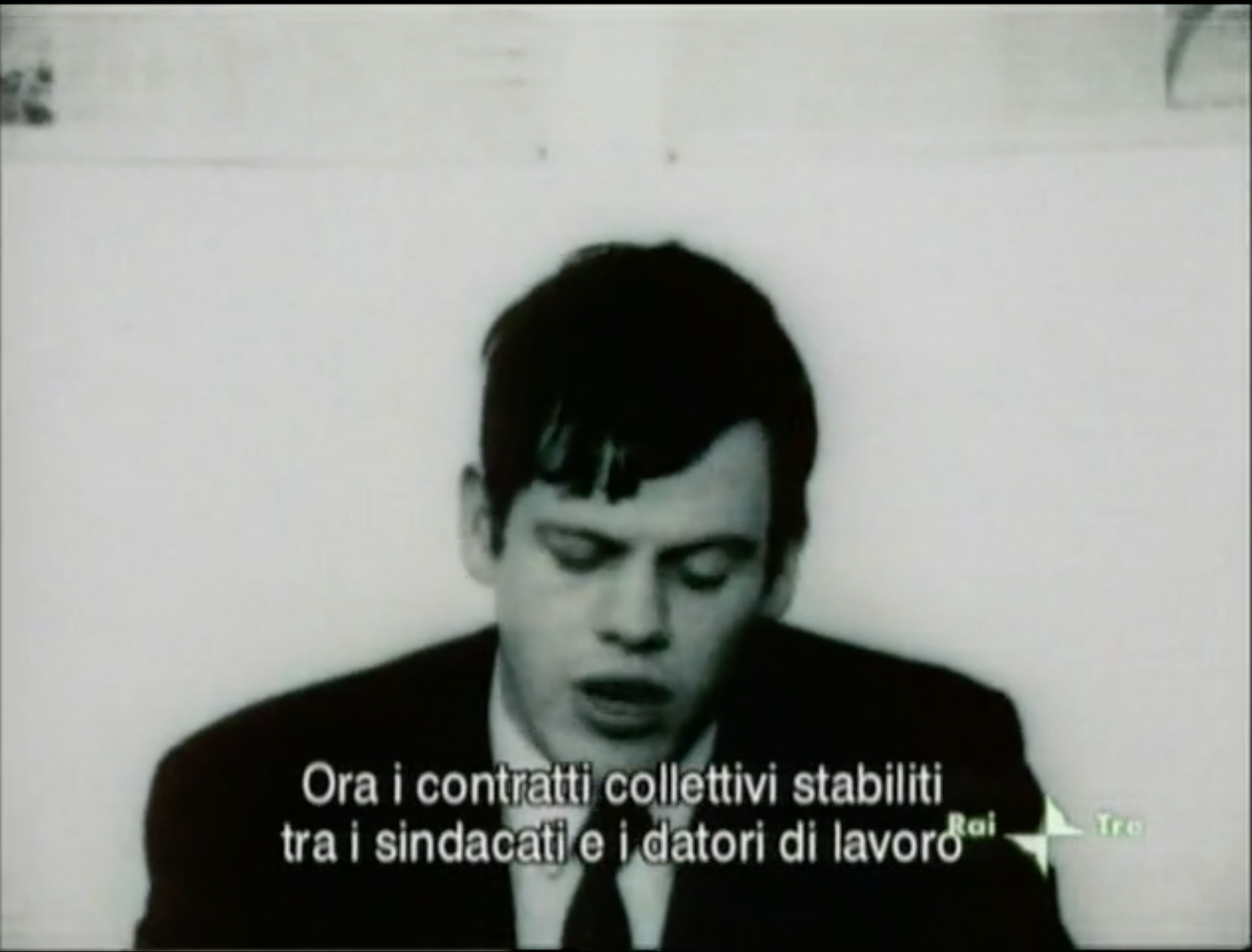
Whilst watching British Sounds (Jean-Luc Godard, 1969) again I a section that felt made an interesting manipulation with the idea of truth.

Interview at 18:55 – British Sounds (Jean-Luc Godard, 1969)

The interview around 18:55 is not contextualised we are not told who the speaker is, who or who they represent, there is something immediately unsettling, not just about what is being said but also, how, and by who. I came to a conclusion that it is a revolutionary student reading back a speech or press release by a member of ‘the establishment,’ however this idea is challenged as the lecture becomes more unreasonable in the statements that it makes as it progresses. In a section about Vietnam …

“it it is sometimes necessary to cut off breasts… we don’t like coloured people.”

British Sounds (Jean-Luc Godard, 1969)

The juxtaposition seems to come from the fact that we have been taught that voices in documentaries have authority, the film-maker believes they represent an important point of view, but the speakers dishevelled appearance challenges this assumption, as does the extreme nature of the speech, this seems to confront the ‘truth’ of the image or images, if this can’t be trusted then what can?

I am developing an idea regarding anthropomorphising a machine I feel that this idea of alternate histories and truths is an important question.

Essay Film

Ken posted a provocation about essay films;

In his own way, Farocki’s work fulfils another wish for the essay film expressed by Tracy that I share, to see the image “as part of a matrix of meaning that extends beyond the screen.” This takes me back to this article’s starting point in the contemporary morass of online clip compilations and fan tributes that pass as essays, and what alternative mode of media could place us in a more critically aware position with regard to how media functions in our lives, where it comes from, what larger forces are behind its dissemination and our consumption of them.

https://www.bfi.org.uk/news-opinion/sight-sound-magazine/features/deep-focus/video-essay-essay-film-some-thoughts

This this passage there are number of points that relate directly to my own motivations for film-making. The first is the idea of “a matrix of meaning”, human knowledge is constructed from web of infinite complexity, it is now impossible for any one person to completely know, let alone understand all of this, we must rely on the supportive network of others to situate or own thinking, but also it seems impossible that alone reading our work will have an identical network in which to decode the work we have created from the screen. In this way the meaning that they decode is likely to diverge base on the amount of difference in that network. Although this is stretching Hall’s (1973) Encoding and decoding in the Television discourse, I feel that it is a useful reference point for the discussion because there is a balance between the hegemonic power of the major culture and the individuals agency, and attempts to weight those relative power positions. This brings me to the second point that I feel is significant “place us in a more critically aware position”. Having the power to create a piece of work infers the responsibility in how that power is used, a potential response to this situation is to attempt to raise awareness of how the complexity of these textual interactions.

In this way, the essay film might realise a greater purpose than existing as a trendy label, or as cinema’s submission to high-toned and half-defined literary concepts. Instead, the essay film may serve as a springboard to launch into a vital investigation of knowledge, art and culture in the 21st century, including the question of what role cinema itself might play in this critical project: articulating discontent with its own place in the world.

https://www.bfi.org.uk/news-opinion/sight-sound-magazine/features/deep-focus/video-essay-essay-film-some-thoughts

I really like the opinion of “articulating discontent”.

I feel that essay film might be a useful contextualisation on the approach to this film.

CRC 626 : Volker Pantenburg

The UK’s oldest working cinema – The Electric

Ken’s post about Pantenburg pushed me to question why I still wanted to wanted to work on a traditional 2D screen, why is the silver screen in the dark still so alluring to me

Post-Cinema? The Dissolution of Limits in Film
(Dr. Volker Pantenburg und Simon Rothöhler, M.A.)
Film-theoretical analyses of »post-cinematographic« constellations usually tend to render their rhetoric of rupture plausible through references to film’s double detachment: 
(1) from its historically-developed performance apparatus (cinema space, projection, establishment of a specific form of publicity with a defined set of social practices and rituals); 
(2) from its photographic supporting material (celluloid, indexical image registration). According to this argument, the contemporary »cinema without walls« is not least the product of a movement of boundary dissolution which has undermined the privileged significance of the institution of the »cinema« in favor of the audiovisual complex known as »film.«
This development corresponds to a process of differentiation of the forms of experience of the filmic, one that has been reorganized, on the one hand, in multimedia screening windows (video iPod, computer, cellphone, home cinema), and on the other, has been increasingly and paratextually connected with a diversity of non-filmic media commodities. Both processes have replaced film as a »self-contained commodity« (its commodity form at the end of the period of early cinema), and successively transformed it into an fundamentally less stable »intertextual commodity.«
In light of these multiple screens and in light of economically and socially reconfigured modes of reception, but also in light of the numerous projected images found today in museums and galleries, the question poses itself of the status of the displacements and multiplications of cinematographic apparatuses and the qualitative novelty of the aesthetic practices associated with them. At the same time, this analysis must integrate »post-cinematographic« relativizations, and the continuities involved must be emphasized. This entails, for example, the generally questionable nature of an ontological break between photographic and digital forms of film. This project will explore the poles and dimensions of the diversification of the cinematic apparatus and will, with reference to both filmic art installations and contemporary commercial blockbusters, investigate the ways in which concrete filmic practices render these transformational aspects aesthetically productive.
»Post-Cinema? Entgrenzungen des Films« is part of the sub-project B3 of the Collaborative Research Center 626 »Aesthetic Experience and the Dissolution of Artistic Limits« at the Freie Universität Berlin headed by Prof. Dr. Gertrud Koch.

— Read on www.volkerpantenburg.de/index.php

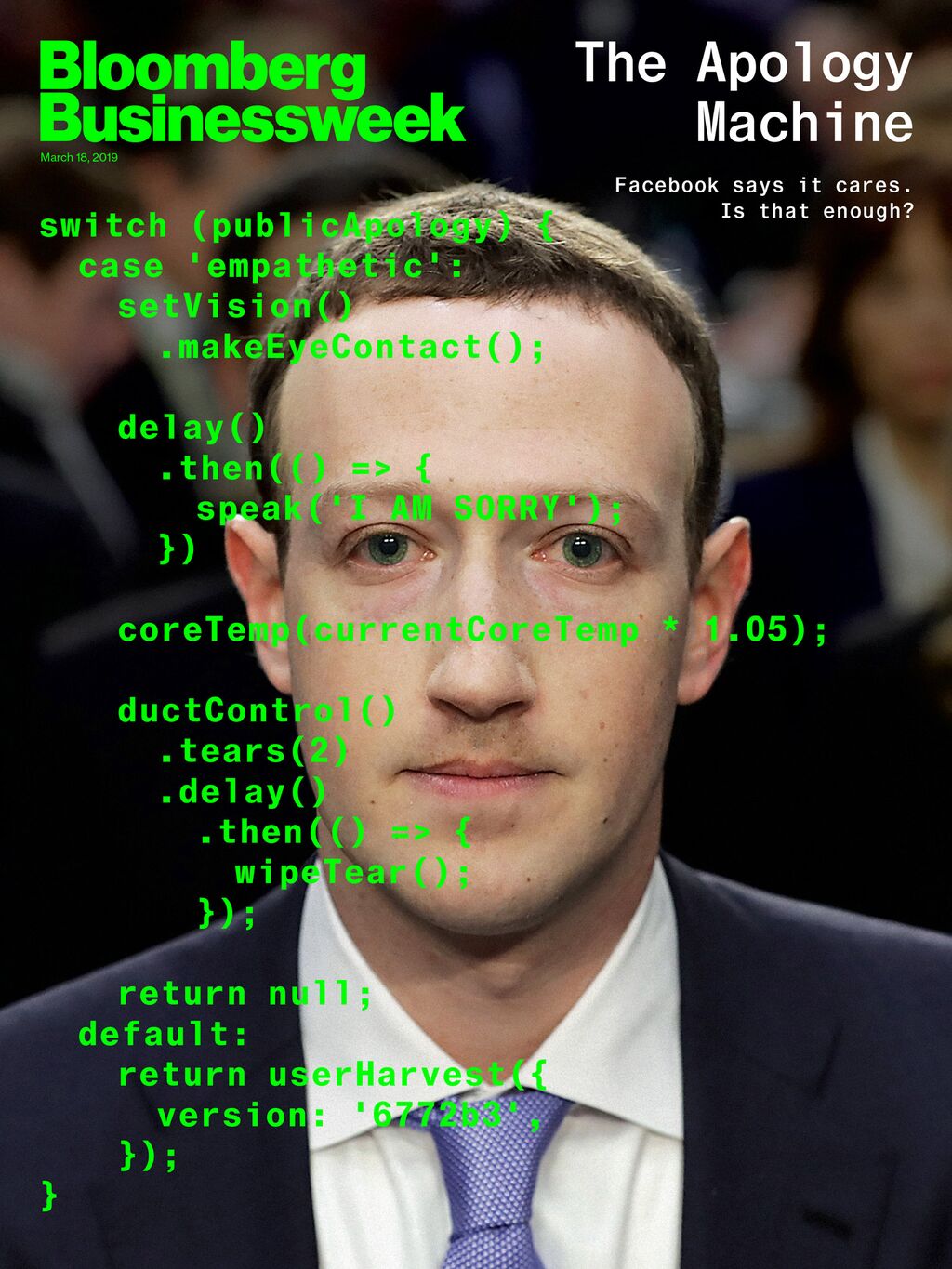
If Facebook wants to stop those things, it will have to get a better handle on its 2.7 billion users, whose content powers its wildly profitable advertising engine.

https://www.bloomberg.com/features/2019-facebook-neverending-crisis/

There is something about the ritual, as Pantenburg puts it, that gives a form and structure to a cinematic experience that I find to be a useful framing device for developing ideas. An audience comes to a cinematic experience with certain codes and conventions, following or challenging these in service of an idea then becomes and artist choice that is part of the spectrum of cinematic language.

I nearly posted a link to this article a few months ago, I was interested in the way that the ubiquity of video capture and distribution technology makes this kind moment part of a historical archive, John Akomfrah’s point about historical documents that capture and preserve a moment. I missed posting it in a timely manner at that time and I felt that the moment t had gone. Now considering why I want to create a conventional cinematic film I realised that it was relevant again, like other social/viral videos as quickly as it became a conversation point so it was replaced by something new, although the moment was archived the context of its reception changes our consumption of it, it becomes consumable, a quick snack.

Mechanical eye view

HAL at the Kubrick exhibition

One of the clear design and practical influences for my final production is HAL 9000 from 2001: A Space Odyssey (Kubrick, 1968).

I am really interested in the way that HAL’s eye seems to mirror the mechanical eye that I was discussing in my post earlier in the year.

But can we say that this is our discovery, second hand with voyagers eyes?

In the Kino film I became entangled with discussions regarding my own subjectivity, which I still think is a question in this film, especially as I am creating a character from/of Voyager, but I want to try and expand the view point to consider a wider notion of subjectivity.

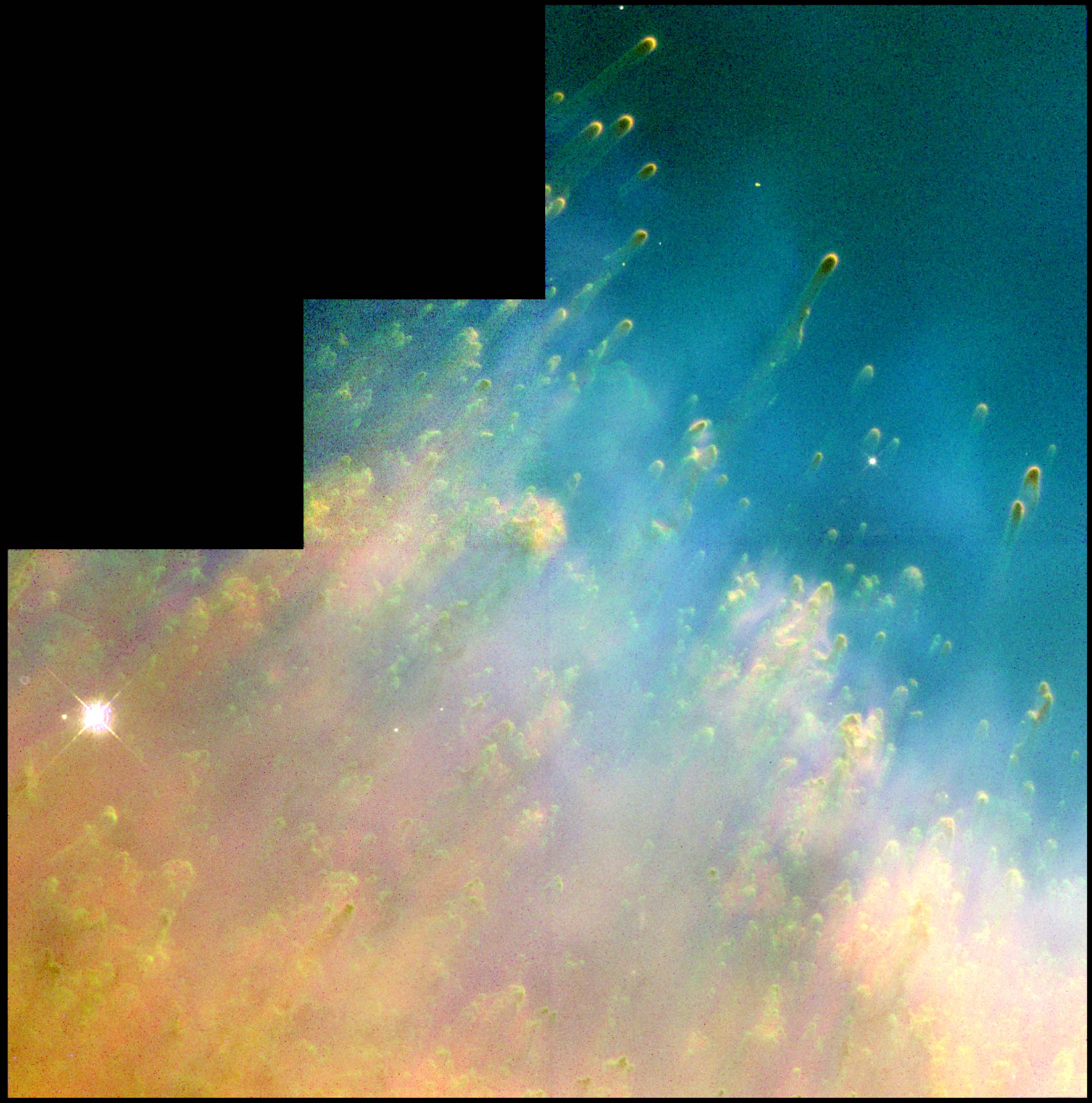
One way that I am thinking of exploring this is by trying to recreate images that are suggestive of celestial phenomena, planets, gas clouds, rather than using archive images.

https://voyager.jpl.nasa.gov/mission/science/jupiter/
Marbled paper – stand in for swirling clouds in a gas giant
Hubble Nebula image
Bath bomb
Io’s Surface: http://solarsystem.nasa.gov/galileo/
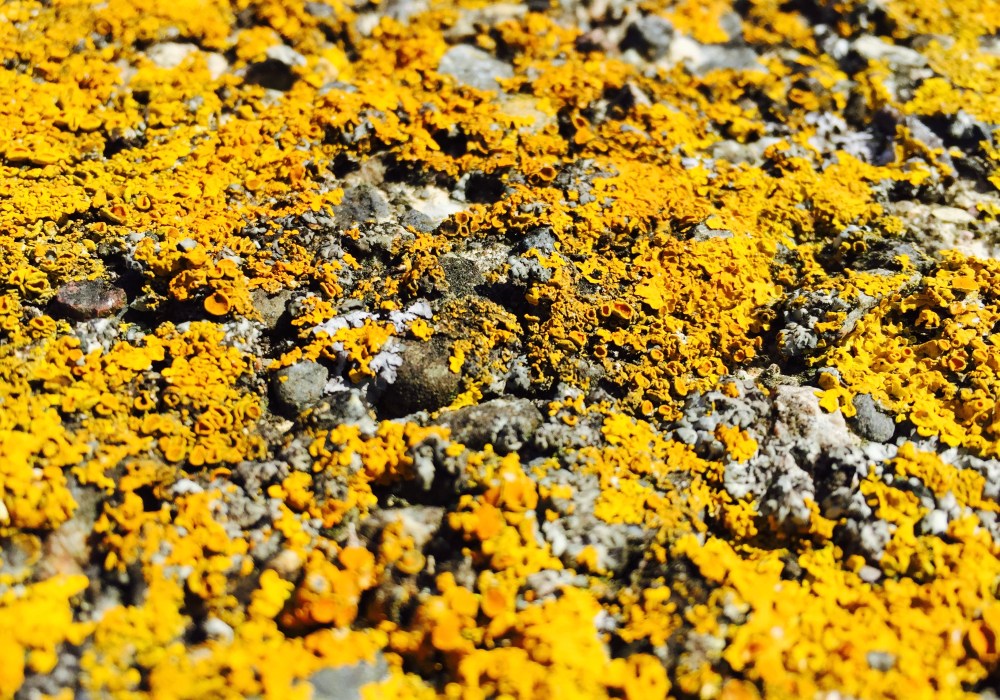
Close up and Macro Images

Inspired by Kubrick

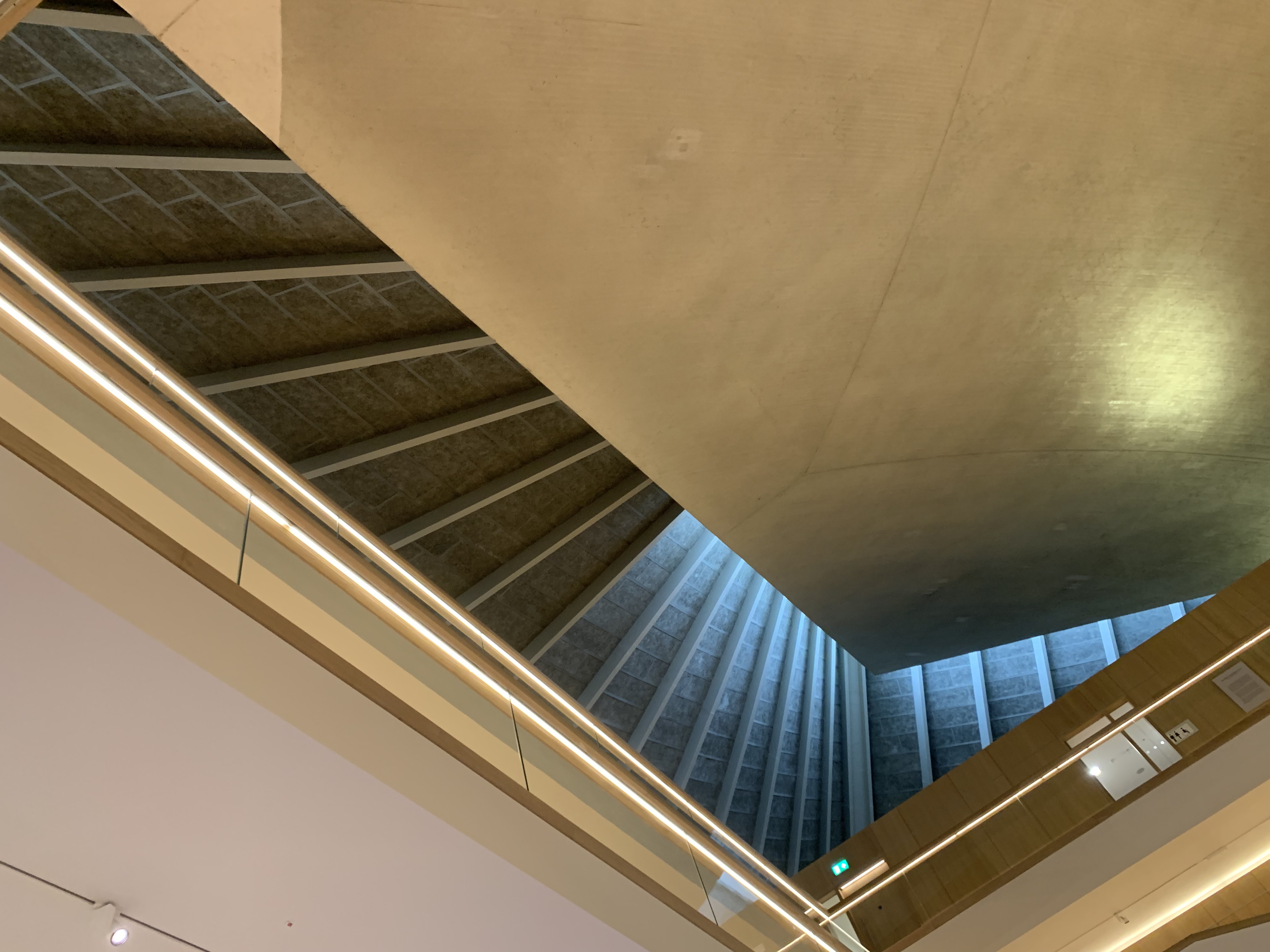
A space that holds Design

On Friday I visited the Stanley Kubrick exhibition at the London Design Museum. I was very excited as Kubrick is one of the reasons that I wanted to make films in the first place (shortlist of influences: Blade Runner, A Clockwork Orange, the making of featurettes on the the Star Wars Episode I DVD).

Introduction to the Kubrick Exhibition

The exhibition begins with a video wall to highlight Kubrick’s use of centre compositions.

The following gallery focuses on Kubrick’s development process, and tools.

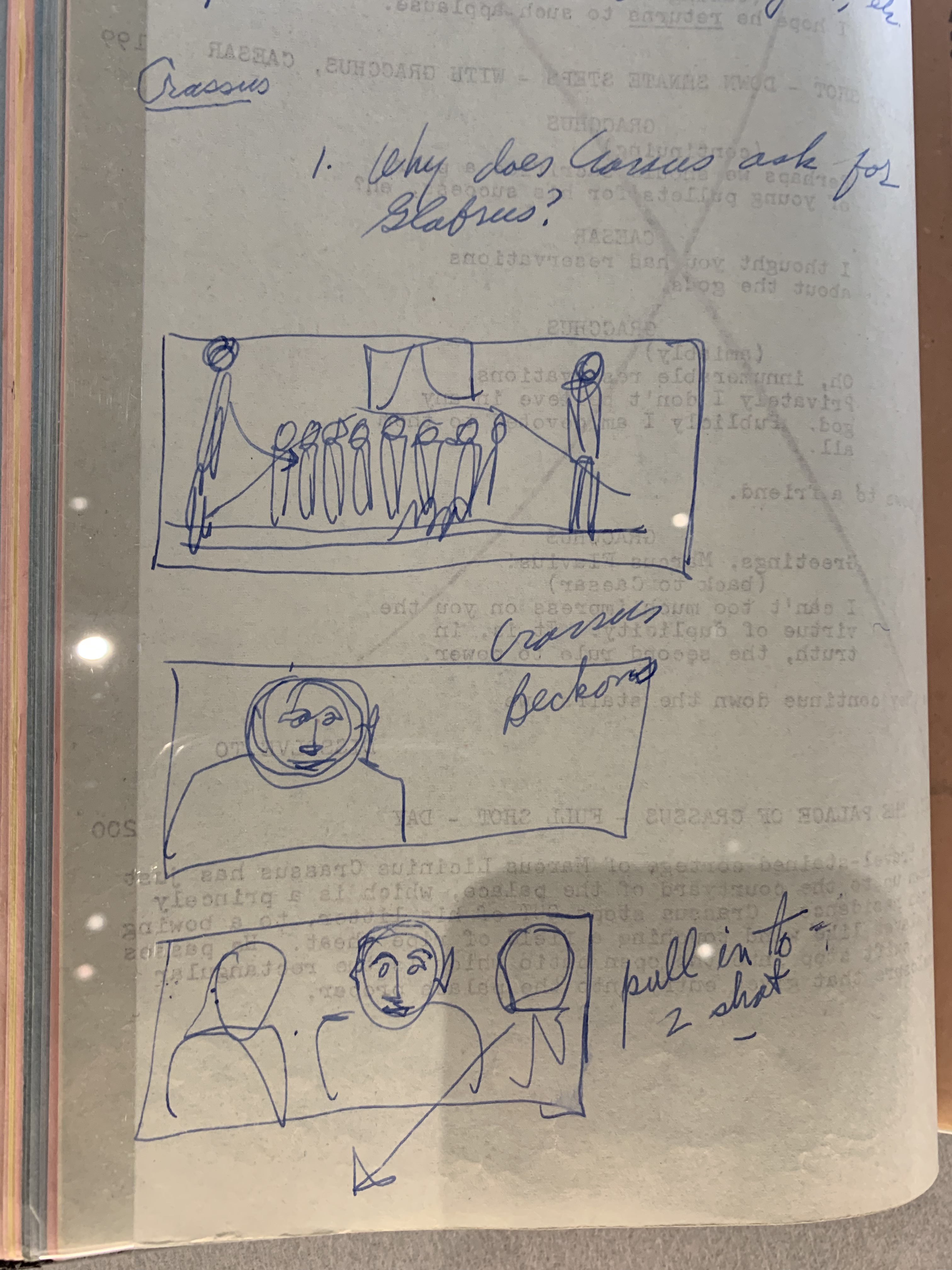
I found the roughness of Kubrick’s hand drawn storyboards really interesting, it was purely about communicating part of an idea to someone, good storyboards just need to communicate framing information.

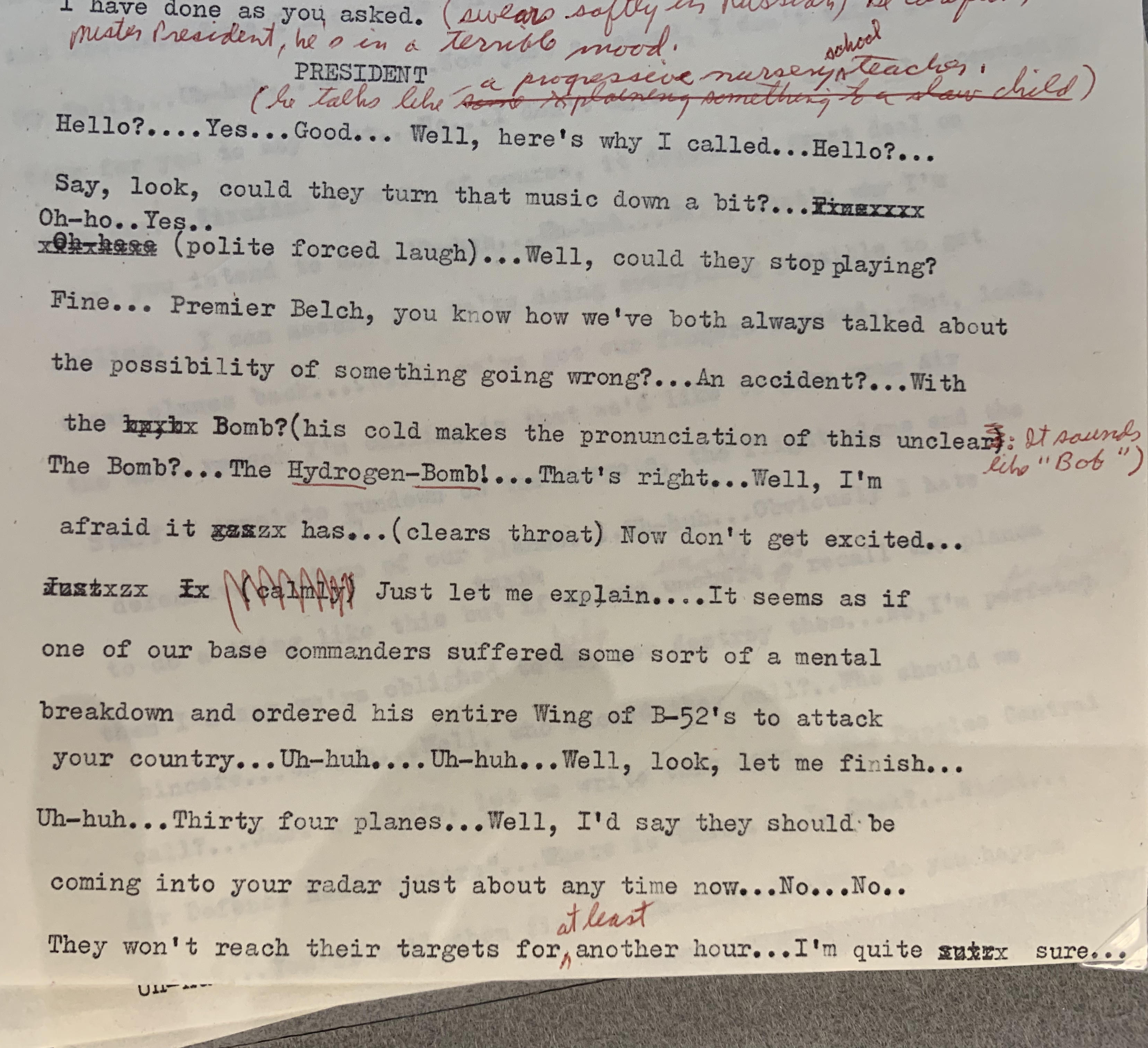
Extract from Dr. Strangelove Script

It was fascinating to see the development process happening on the page, for me this was the biggest take away from the exhibition, the collaborative developmental process. Kubrick is often put forward as one of the examples of Auteur Theory…

Does a series of

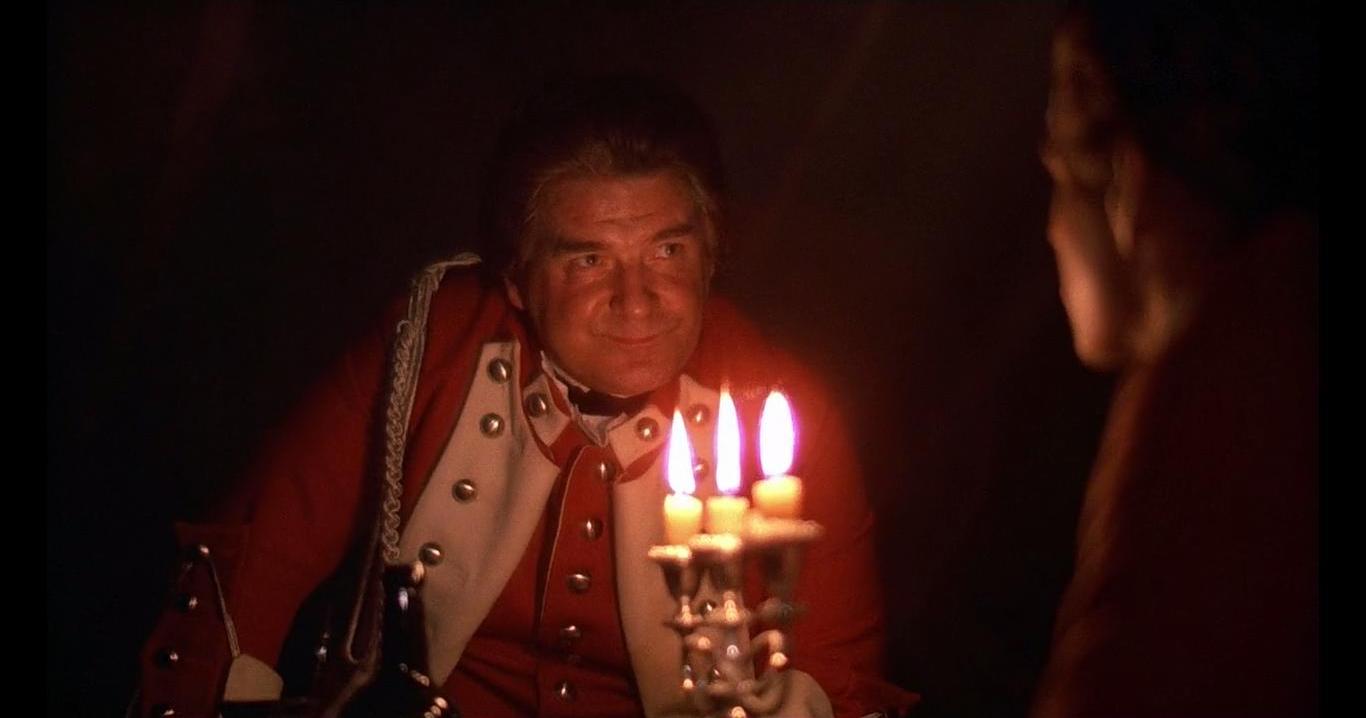
From a technical perspective, Kubrick’s photography experience was a huge influence on his approach to cinematography, lighting and editing. Barry Lyndon particularly lingers on the picturesque, with some beautiful individual shots akin to oil paintings.

https://www.sothetheorygoes.com/auteur-stanley-kubrick/
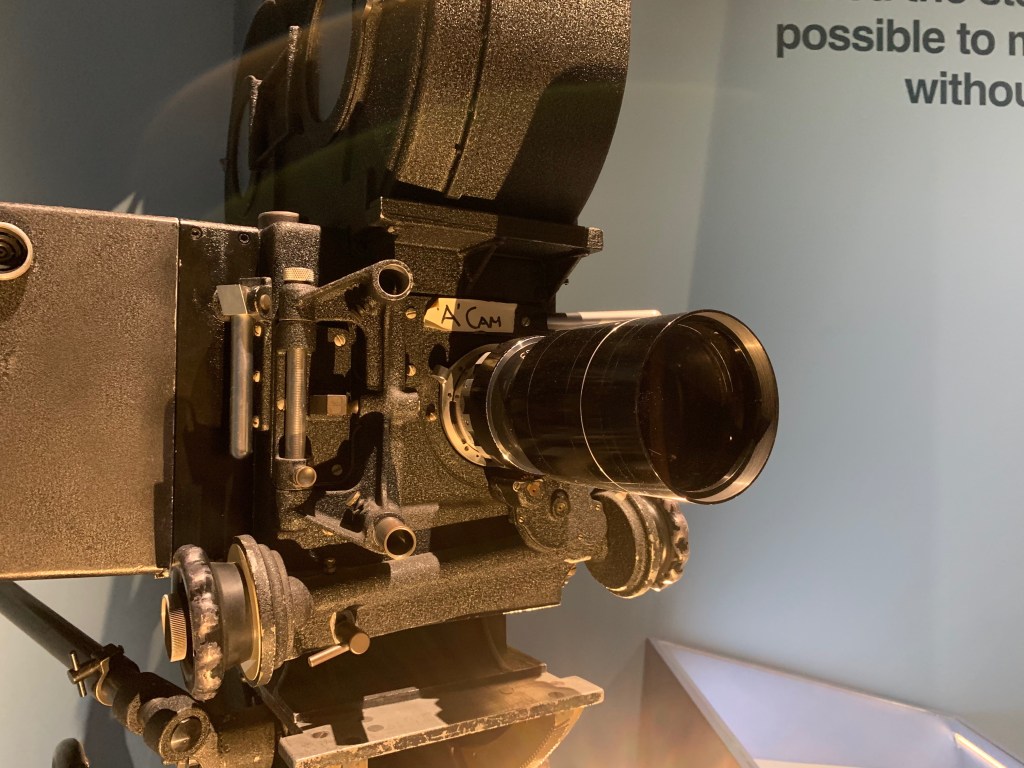
One of the famous lenses specifically purchased and converted to shoot the interior candlelight scenes in Barry Lyndon
Barry Lyndon (Kubrick, 1975)

Pictorially, the elegant result emerges from a close collaboration between Kubrick (no mean photographer himself) and director of photography John Alcott, BSC.

https://ascmag.com/articles/flashback-barry-lyndon

What came across in the exhibition wasn’t just Kubrick’s attention to detail and singular vision but his ability to foster strong collaborative relationships, in this case with Alcott and Ed DiGuilio, who customised the lenses and cameras, to achieve the images.

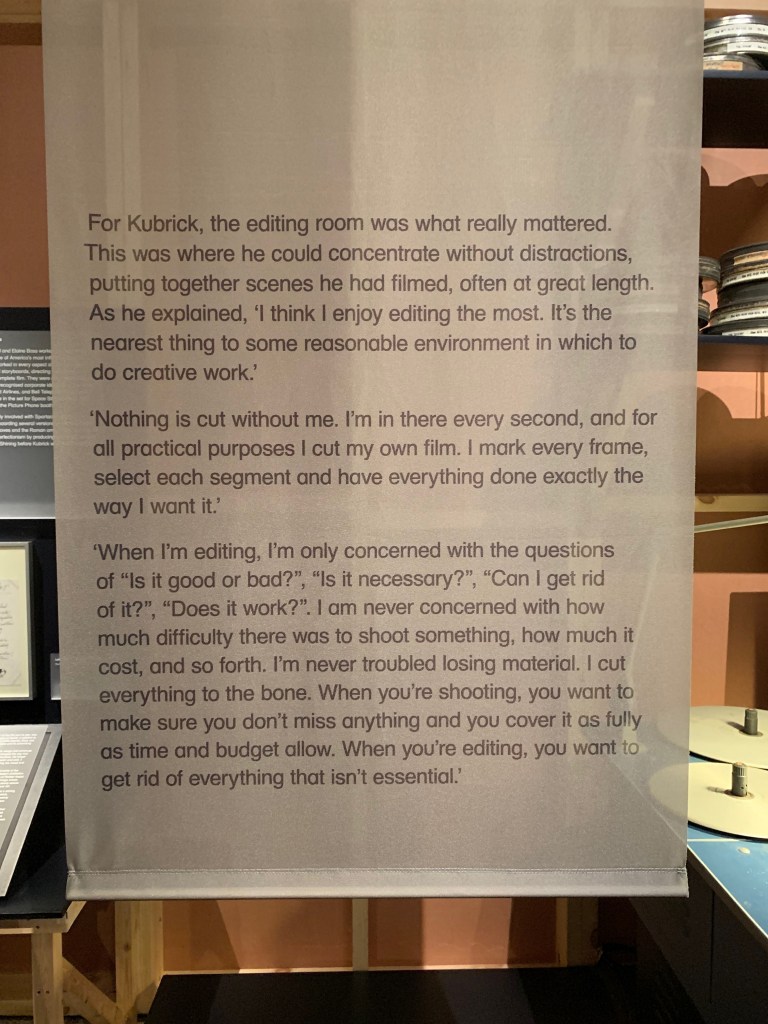
Kubrick on editing

As well as the discipline to “get rid of everything that isn’t essential”, this passage highlighted the exploratory nature of Kubrick’s process, even when he was in the final stages of the cutting room he was still trying to find out what the film could be. Although Kubrick work on largely conventional films, it could be argued he invented many of the conventions, for me there is an experimental quality to the way that he pushes to find the boundaries of what his films can be.

Not so much like this – Final Project

Really well produced composition and music video celebrating Voyager’s golden disk

One of my peers suggested that I have a look at this music video as potential inspiration for my Voyager project. I thought that it was beautifully produced, both in terms of sound and images, and largely echos how I feel about Voyager.

It is a great inspiration in that this is exactly what I don’t want to do with my major project, this is a celebratory retelling of the Voyager story, watching this helped me to clarify that this is not what I want to do.

For me Voyager is just a lens for looking a different idea.

Notes on discussions 15th & 16th May – Final Project

I received some really useful feedback on the ideas for my final project voyager film.

It was clear that there is going to be a challenge to bring the joyous, fun, playful elements to the film, so many of the themes that I want to explore can quickly become gloomy. It is precisely this line that I want to explore.

During the discussion I was asked a question about being vegan. I hadn’t linked this to my thoughts on this project but it is a useful insight, I believe that all life is sacred, it is something that for me adds complexity to the human experience, to live we must consume and destroy others. This is a fundamental universal principle, I’m going to come back to entropy again later.

There was some discussion about how I will approach the practical aspects of the project. I am still working on the synthetic voice concept mentioned previously and have been asking questions about the gender of the voice (I’m going to come back to the cyborg manifesto later as well).

I have been researching archive of the images, which I found on the Kino project, and plan to include some of that.

A model of voyager, possibly 3D printed.

Mylar foil.

Super8 film

My own voice

After a really useful discussion with a colleague at work it was suggested that my voice should play a part in the film, as I am the one that is anthropomorphising voyager. I think this could have an additional layer in that my – regional – voice will not sound epic or sublime, but folksy and mundane, this might contrast well with the more ethereal synthesis.

I might have found a title – I don’t think the Earth is so still. It was a joke in a message that another colleague pointed out might work.

Sublime and Mundane – Final Project

It seems that the themes that tug at us reveal themselves in every project that we explore. I sat listening to The Commander Thinks Aloud (2005, The Long Winters) in the car on repeat, I was trapped by the interplay of the beautiful hopefulness and the inevitable sadness. The layering of folky piano, cosmic synthesisers, and military drums create a tension between uplifting and grounding. The track imagines the last moments of the crew of the Columbia Shuttle disaster.

Click to hear a Clip of John Roderick the writer of the song discussing his thoughts on writing the song.

Dogs and birds on lawns. From here I can touch the sun. Put your jacket on, I feel we are being born.

(The Commander Thinks Aloud, 2005, The Long Winters)

I find this question of mundane followed by sublime occupies a lot of my ideas.

(2005, The Long Winters)

I wondered why I felt the need to ground my voyager film, Space Exploration for me is sublime, it is romance. Early in our relationship my wife and I went to see a shuttle launch, it is not just science but spiritual.

But how do we square this with the costs of this dreaming; human, financial, environmental, personal. For all the success there are stories of failed marriages, the memorial, budgets, failed careers, toxic waste.

Thomas ColeThe Course of Empire: The Savage State (1 of 5), 1836

I found myself thinking back to the ideas of the romantics, the nieve vistas dreaming of imagined ideal pasts, the power, beauty, inspiring and terrifying nature. Head in the clouds no realistic view of the world. I find many of the ideas of the romantics troubling, an idealisation of the natural world, the primacy of mans place in viewing it. But where is the joy if you can’t dream big, a life bounded only by the tangible.

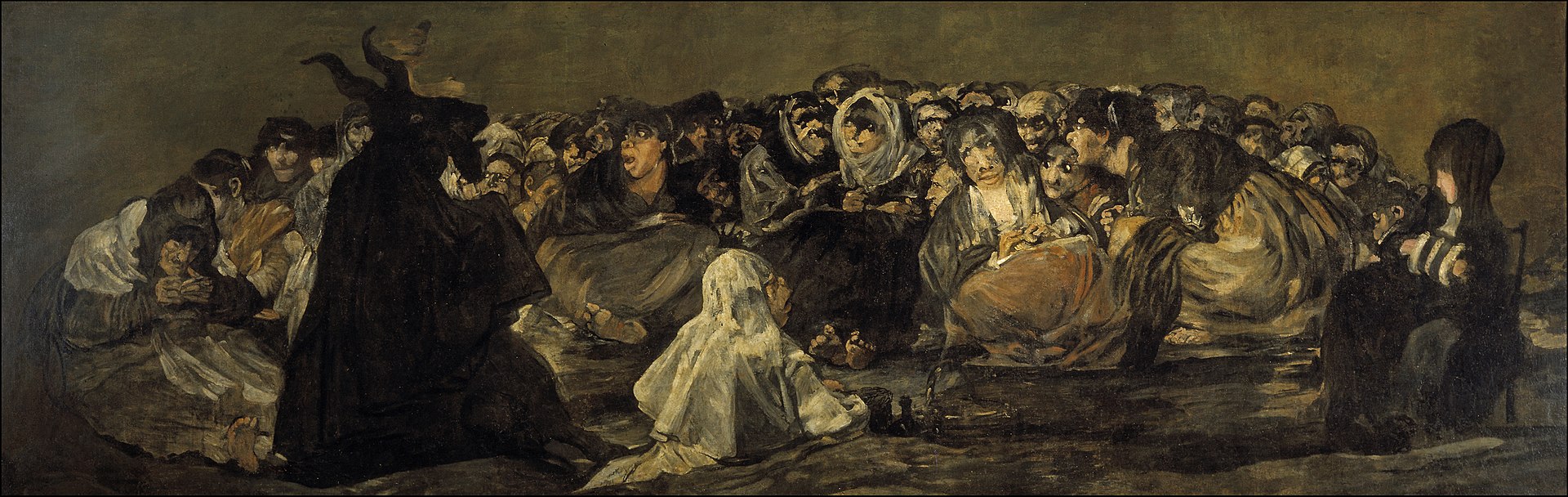
I thought about the realism and abstraction debate in art. Abstraction tried to remove the trappings of the tangible world to reach a deeper more profound truth. But how can we waste time of intellectual navel gazing when there are so many obvious real problems that are in front of us. Goya.

Witches’ Sabbath or Aquelarre is one of 14 from the Black Paintings series.

These are the questions of life, is it this physical world of sensation or is the some deeper spiritual journey.

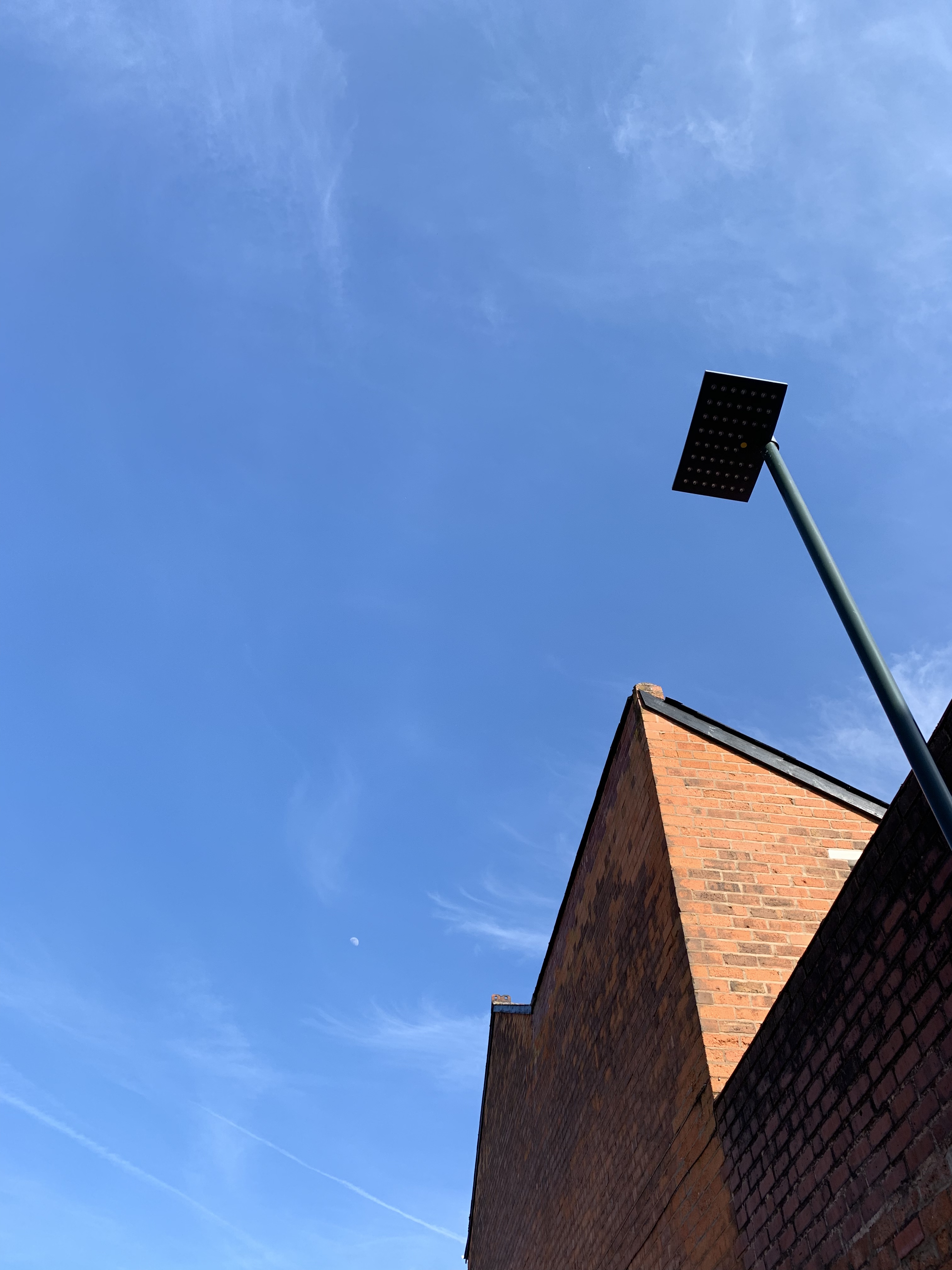
Stuck in mundane commuter traffic, listening to that track I was in two places at once, soaring above it all and trapped in a hot steel box. I stepped out and saw this…

I like daytime moon. How odd it looks against a blue sky, mischievous, almost subversive.

I want to try and address this space with this film as impossibly ambitious as that is, that is the point.

Back to basics – Final Project

So how do you bridge this gap? Good design has always evolved from a consideration of context and so it is all about establishing a robust bedrock of knowledge from which more real-world and, hopefully, ethically driven problem-solving approaches can develop.

For a start we need to understand the social, political and economic contexts from which these significant ideas in design have emerged in order to have a more informed debate about the trajectory of contemporary design practice.

“We have lost sight of what Design Thinking actually is” Deezen.com

This passage resonated with me when I read it because I feel it is all too easy to get lost in the detail of what and how we are making something. I spend a considerable portion of time reminding student filmmakers and artists to explore why they are making, and where their work fits into a wider context, I don’t always remember my own lessons. I am going to try and spend a series of blog posts exploring some of the context both of the film that I am making and of space exploration. Hopefully this will lead me to a richer what and how.

Voyager – Final Project

In this project I want to explore a question of Life, through the lens of the Voyager Space programme.

Like other elements of space exploration Voyager could be seen as one of humanity’s greatest achievements.

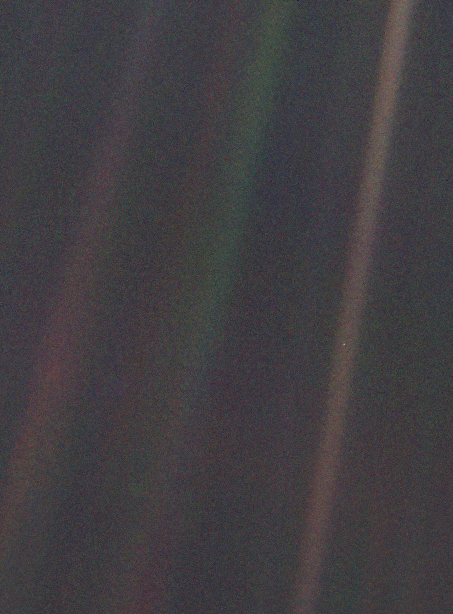
On 14th February 1990 Voyager 1 turned back to face earth from the edge of the solar system and took an image, this image has become known as the pale blue dot. In it we earth looks insignificant, barely noticeable above the background noise.

Attached to both of the Voyager crafts hull is a golden disk, a message to the cosmos from the inhabitants of earth, a message that might outlast all of us.

The two Voyager probes sent back (and continue to send back) huge amounts of data. Jupiter, Saturn, Uranus, Neptune, the very edges of the solar system. The Voyager probes have taught us huge amounts about the solar system and our place in it.

But did anyone ask the probes if they wanted to go?

There are films and documentaries that cover and celebrate the people and achievements, this film will attempt to experiment with taking to point of view of voyager. Cold, battered by radiation, slowly running out of power, lost, lonely, bored.

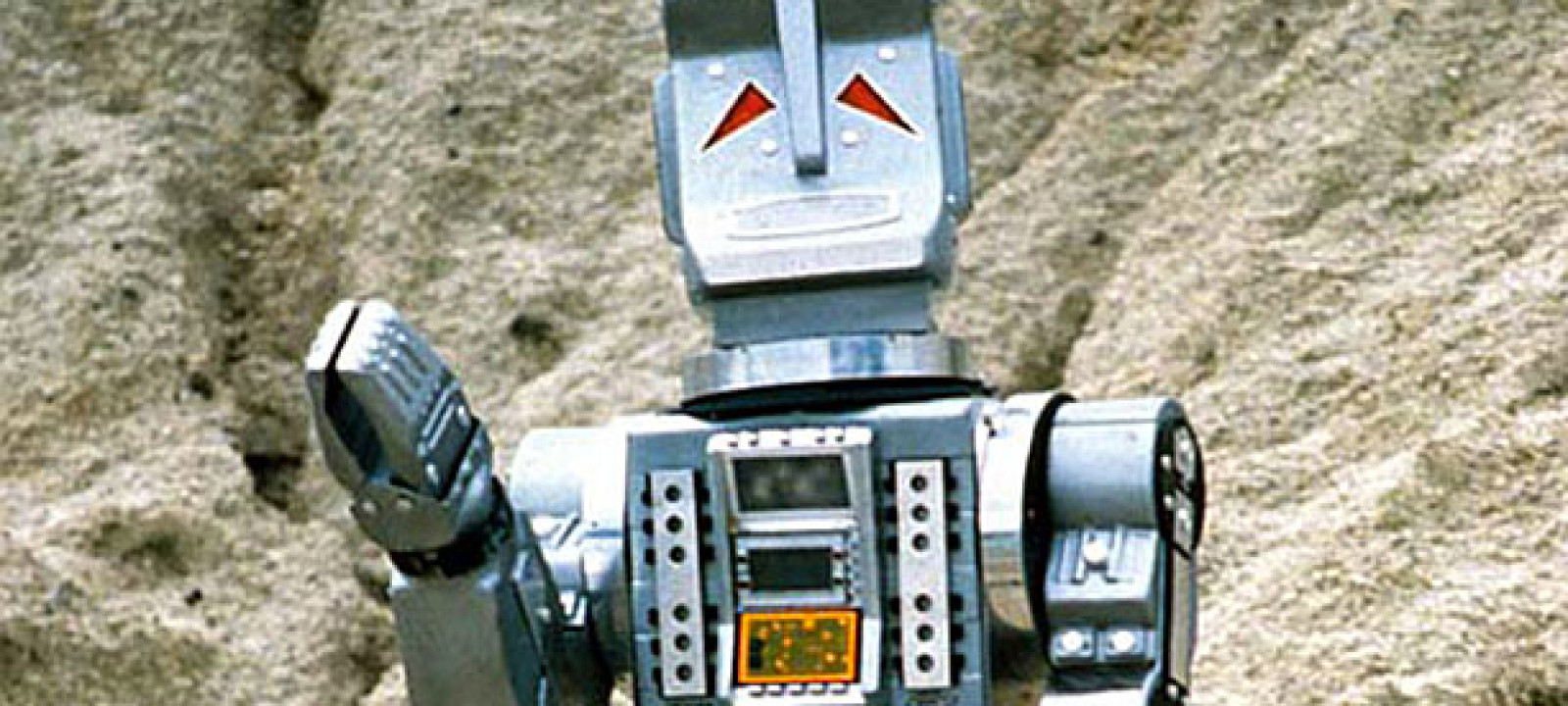
This film will be an experimental exploration of these ideas, casting Voyager 1 as Mavin the Paranoid Android.

Marvin the Paranoid Android, waving (Pic: BBC)