DaDa – Reflection

DaDa in situ

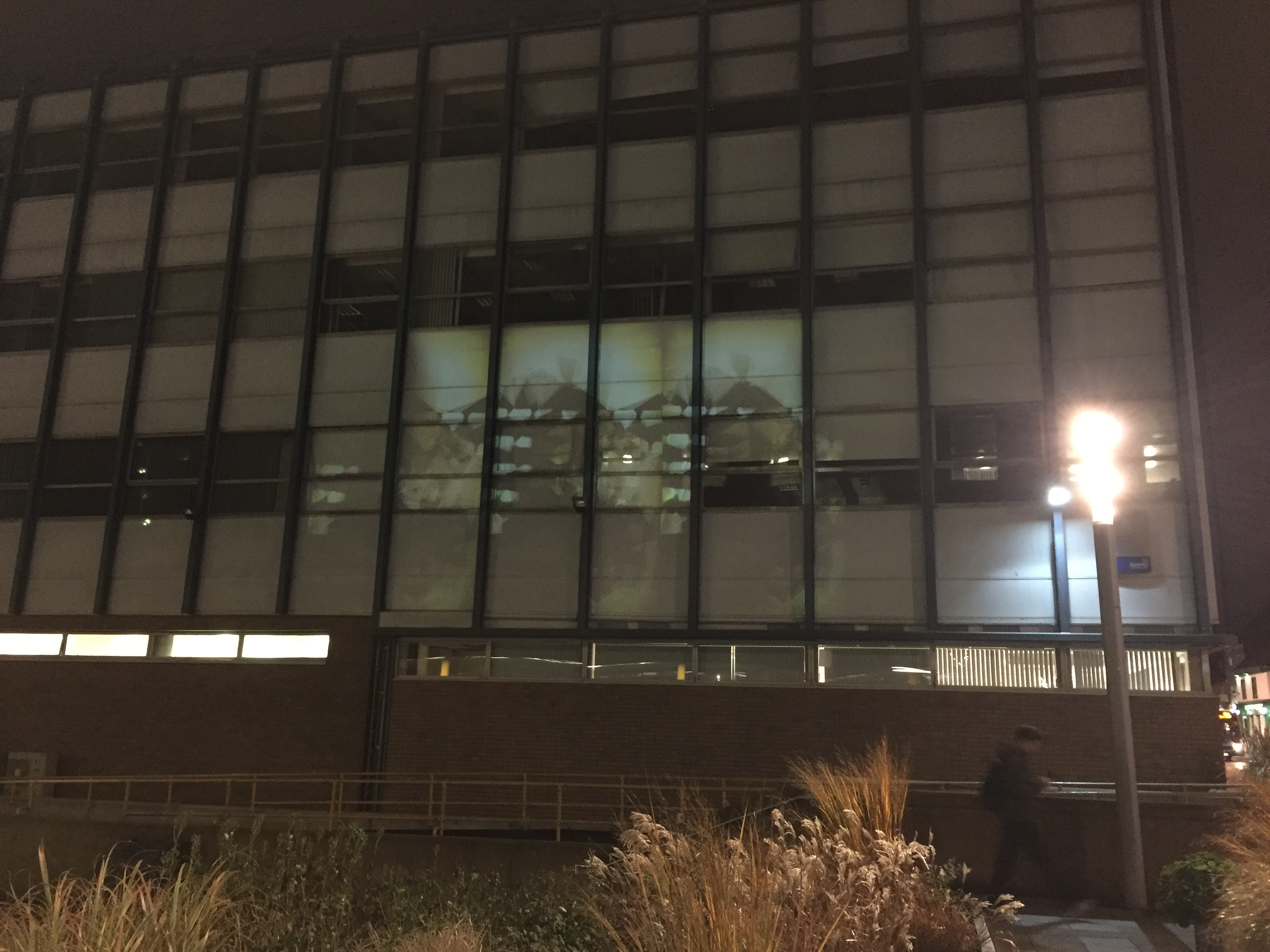
On the same evening that Zero was exhibited in the Tank DaDa was projected onto the wall opposite. I was pleased that the work I had put into making the image readable when projected onto the wall was successful, there were clear sections of light and dark that described the movements of the hands.

The treatment of the video produced a new piece of work that responded to the location that it was going to be exhibited. Producing this piece alongside Zero was an interesting counterpoint as it felt to me like a different path to explore the same question; What can moving image media be? With Zero I felt that the process of theory and practice integrated to develop the piece of work. I never felt like I managed this same integration with DaDa, I feel like I was asking too many different questions for a piece of just thirty seconds.
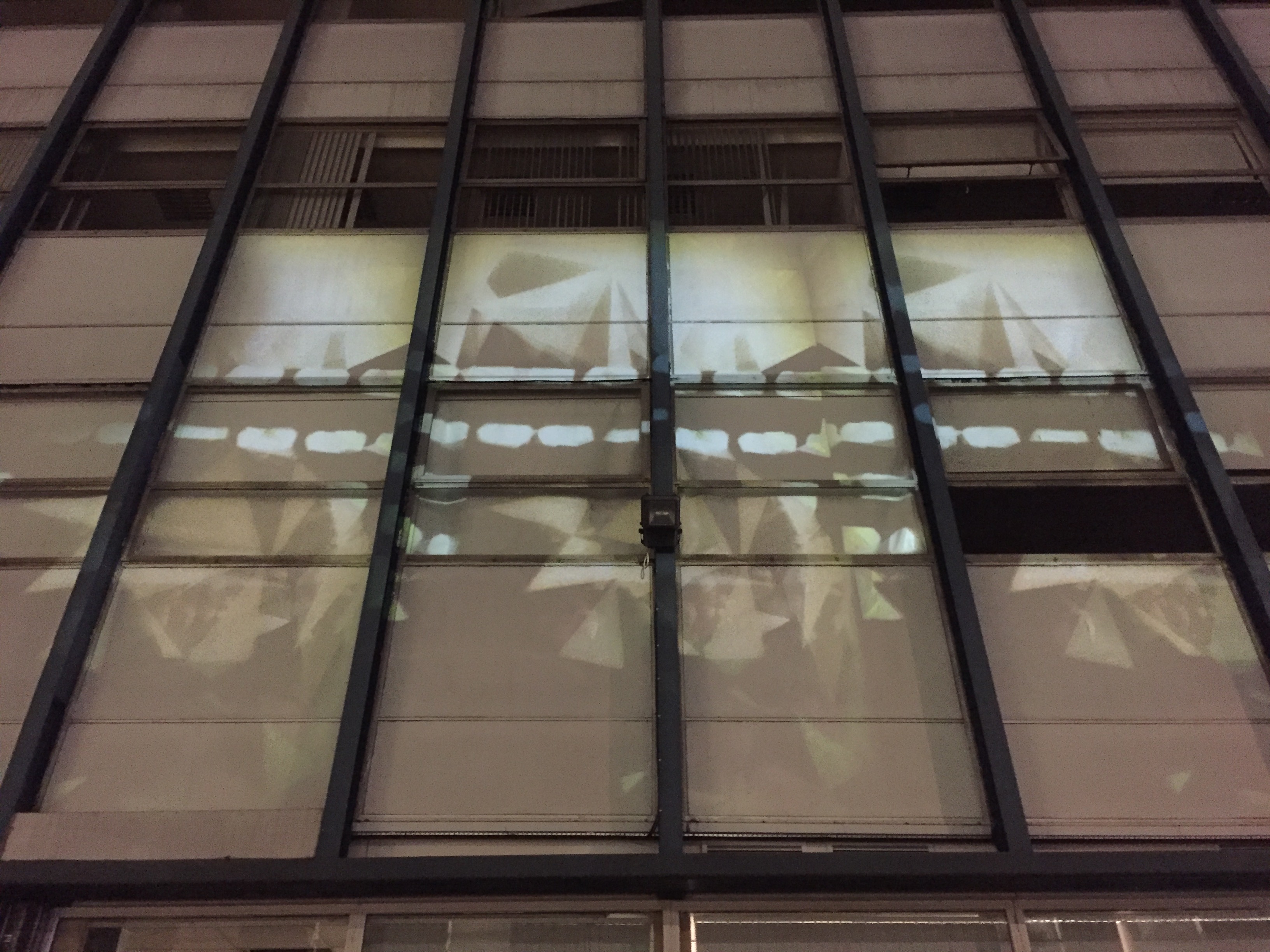
Light and Dark, Colour and Shape, but what is it all for?

I think the missing step for me here was not asking myself about the question of choice of tools; What is the strength of Studio Artist? In not exploring this critically I was left feeling a detachment from the tool, I think this was mostly mitigated in the final piece because of the number of revisions that I did. Trial and error eventually led me to a product that worked but the process of exploration was not satisfying. I think that this will be an important consideration for Kino as the fairly open area of exploration could lead to a lack of direction and difficulty gaining momentum to the process.
DaDa – Submission

After showing DaDa triple and watching some of my peers work I decided that there were too many competing elements in that version so I decided to focus on repeating one of the processes across the three panels. I also made a final adjustment to the colour and contrast to hopefully help with the clarity when projected.

DaDa Triple

Following on from the previous series of experiments I went back to the original rushes and processed these further before taking them into Studio Artist. I was looking to focus the viewer specifically on the hands and also the repetitive nature of typing. I decided to crop, repeat, and loop one of the sections. I also further exaggerated the contrast in the footage to give it the best chance of being visible in the exterior environment, this is something that I was very conscious of after the experience of the Concrete project.

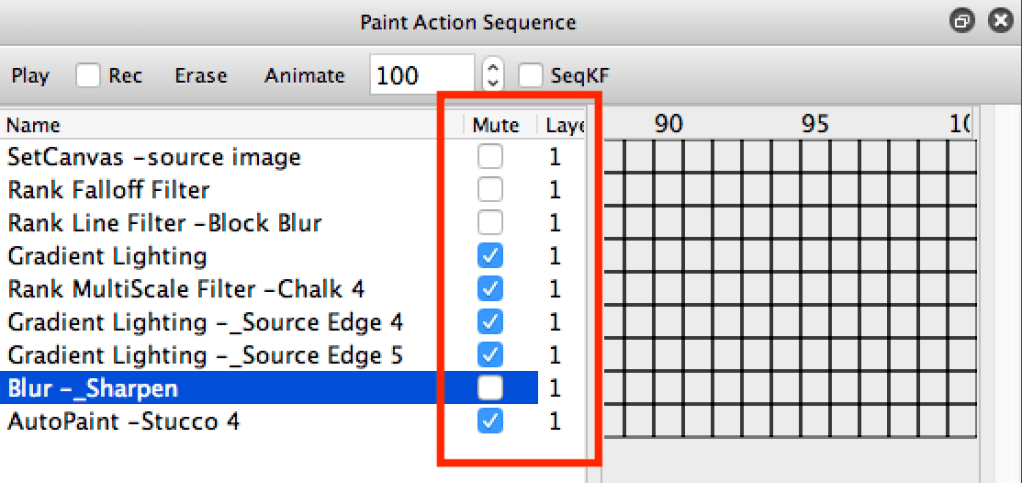
Muted Action steps are skipped to remove that adjusted to the look of the image

Adjusting the Studio Artist presets by turning off specific steps during the processing I was able to manipulate the output to give me a look that worked to give me a look that was tailored to what I was trying to achieve. I settled on these three looks as I felt that they all integrated the different aspects of the image, creating a surface where it was difficult to separate human and machine but the movement of the hand was still identifiable.

I then combined the three panels in Premiere, I think this helps focus a viewer of the repetitiveness of typing.

DaDa experiments

Lots more experiments with Studio Artist to find a process that works with the footage, the intent, and the delivery environment.


Working with the second version of the raw footage, the rectangular treatment is interesting and references the building that is being projected onto. The camera angle doesn’t really emphasise the hands.


The previous two are good examples of several of the processes that I tried where the end result looked like an effect applied to video. Although the hands and movement are still clear the process doesn’t add anything other than a superficial look.

This is a good example of where a process overwhelms the original imagery. The intense flickering in this version becomes the focus rather than the hands, the original footage could have been anything.

I have previously worked on some theatre and outdoor projection projects and have seen that image contrast is important in getting a projection that has impact when projected onto a surface that already has texture and colour. Subtle textures and patterns were often lost as well.

I could have taken this into consideration when lighting the footage that I shot as the basis for this project as the raw footage is fairly flat. I tried to try and rectify this by pre-processing the footage before taking it into Studio Artist.

Towards something that works


I think the process here has started to enhance the original footage and started to explore the relationship of the hands to the machine, the merging of the hands and the keys into the same surface treatment starts to explore the interaction between humanity and technology that I was interested in. I think the line work around the letters currently draws too much attention.

DADA Developments

I wanted to explore the hands typing further so I capture some more footage this time with a borrowed typewriter.

I’m still working on processing the footage with Studio Artist as it a time consuming process to iterate through different processes. In order to really see how the motion will look with the process applied I am finding that I need to render out at least 5 seconds, with many of the heavier processes this takes multiple minutes on my laptop. As I start to add further versions I will post these as well.

DADA – Ballet Mécanique

In researching Fernand Léger as part of the DADA project I was reacquainted with Ballet Mecanique from 1924. There is an interesting parallel between the pure experimental exploration of movement that I think is demonstrated in this film and use approach of using Studio Artist to explore the body in motion in the DADA project.

For us the joy of dancing saws in а sawmill is more familiar and easier to understand than the joy of human dancing.

D. Vertov, ‘Му. Variant manifesta’, Кino-Fot, по. 1, 25-31 August 1922,
рр.11-12.

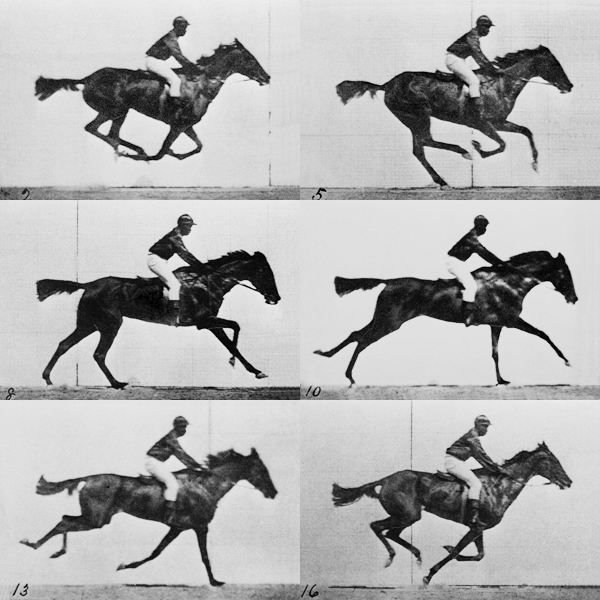
With the ubiquity of screens in 21st Century society it is easy to forget that the ability to capture and recreate an illusion of movement has been both a technological and artistic voyage. Being able repeat, slow-down, speed-up the motion of the natural world, and even generate movement where there is none has given rise to scientific, cultural and political transformations.  

The impact of technology can only be measured after it has been created, often the consequences are unexpected. Discussions of the truth in still and moving images are as vital today as ever when video evidence is increasingly being used to record and repeat, and provide previous impossible views of the world.

When jurors are shown slowed-down footage of an event, the researchers said, they are more likely to think the person on screen has acted deliberately. While a slow-motion replay may allow jurors to see what is taking place more clearly, it also creates “a false impression that the actor had more time to premeditate” than when the events are viewed in real time.

Khaleeli, H. 2016. How slow-motion video footage misleads juries.

A short film that simply asks us to question the truth the movement that it claims to represent could be even more important today than in 1924.

boDies in motion – DADA

I did not initially have a clear starting point for this project when trying to draw inspiration for the idea of bodies in motion, I have often been more interested in the built environment and an absence of people. Building on my experience of the Concrete sound project I wanted to develop a response to DADA that challenged my existing working practices whilst still acknowledging my previous interests.

The gallery visit to the Herbert had some interesting work by Anselm Kiefer, an artist who’s work I have previously drawn inspiration from when considering identity in relation to bigger questions. But I didn’t find that inspiration on this occasion.

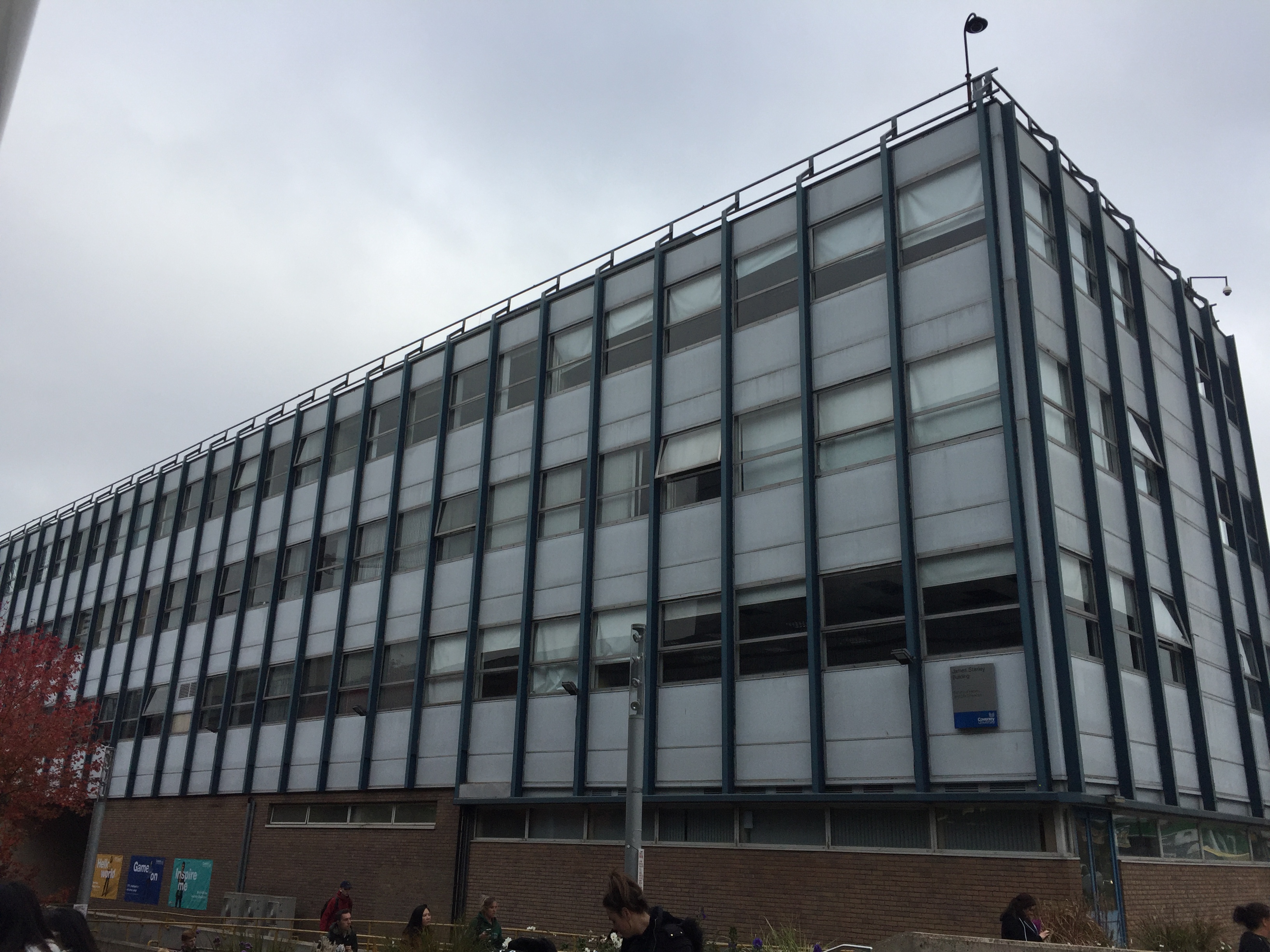
I felt that in the concrete project I hadn’t taken the site into consideration enough, so went to see the building that would be the canvas.

IMG_9275

A canvas

1280px-tableau_i2c_by_piet_mondriaan

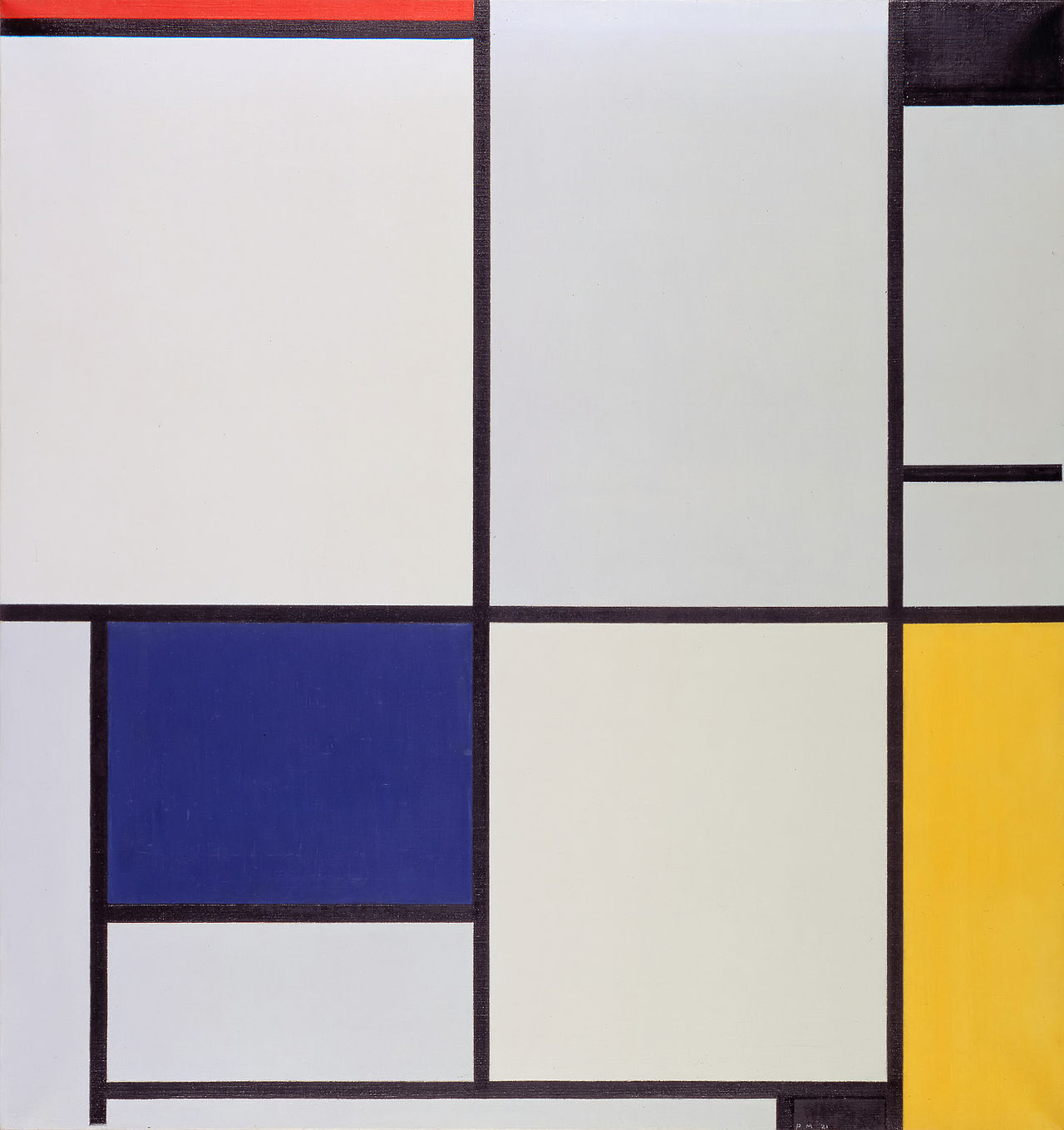
Tableau I, by Piet Mondriaan

I have been interested in repetition and abstraction in art for a long time and Mondriaan was my gateway drug. Although I later became fascinated by the purity of the abstraction in Mondriaan’s work when I initially encountered it it was the way I felt it represented the world around me; panes of glass, scaffolding, concrete, billboards that resonated with me. The geometric grid of the canvas building evoked that relationship, and propelled me towards…

fernand_lc3a9ger2c_19222c_la_femme_et_l27enfant_28mother_and_child292c_oil_on_canvas2c_171-2_x_240-9_cm2c_kunstmuseum_basel
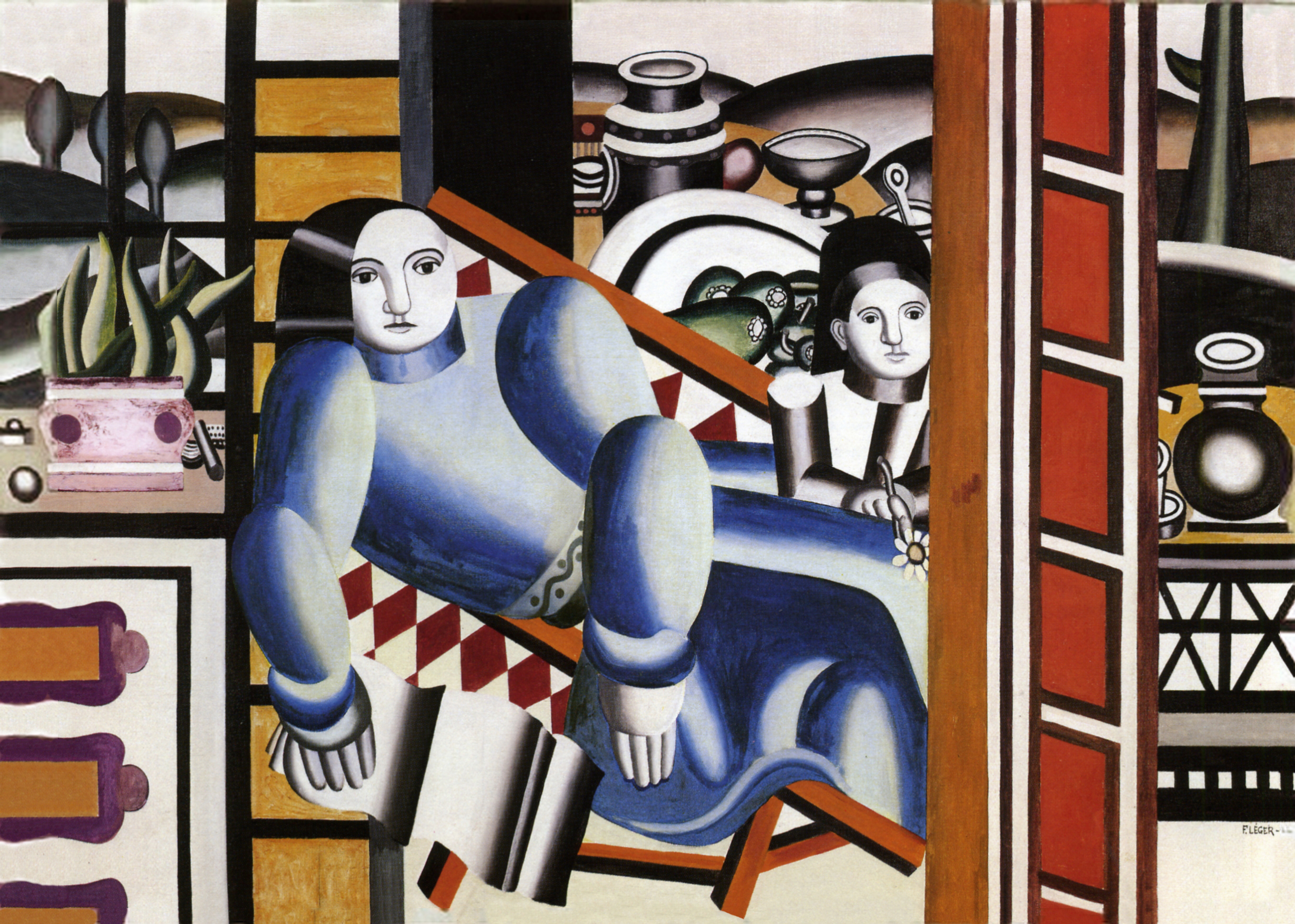
La femme et l’enfant (Mother and Child) (Léger, 1922)

Fernand Léger’s mechanical treatment of human figures the same as their made surroundings with a smooth surface gave me an interesting link back to the ideas of the human body at work discussed in the DADA brief.

With the rise of office based work much has been made of the health and physical implications of sitting and typing for long stretches. As I thought about this idea there seemed to be some sort of absurd idea of running off to the gym after sitting all day to do the physical labor that mechanisation has removed the need for us to do. Absurd machines; Duchamp.

I have been exploring a range of processes to try and visually explore this link.

In this test I was attempting to flatten the image by building the human and machine elements from the same basic components. To flat.

Same basic principal, I think the saturated colours help, potentially too much movement in the mechanical element draws the eye away from the hands.  I like the principal, I’m going to shoot a more developed version of the footage using a more interesting keyboard.


Studio Artist Introduction

Last week we were introduced to Studio Artist as part of the launch of the DADA project.

I had shot some footage of a swing in motion in anticipation of this project and initially tried this out with a few of the presets in Studio Artist to explore what was possible, from the names of the settings it is difficult to know what you are going to get and even from a still frame it is difficult to see how the process is going to look in motion.

This test of the Neon Present was one of the more successful, thematically I like the combination of the mechanical swing and the human pushing it but I think this idea can be developed further. I also want to experiment with the negative space  create greater focus on the movement.