Author: MattPrentice
Zero fish
The freedom to dream our own demise

I am currently exploring themes of hope in Kino and want to do this through the eye of scientific exploration.
I want to look at how our advances in vision have pushed our understanding of the physical world. Small, further, faster, brighter.
I am considering stretching one image over both of the screens as Bill Viola did in Mary. I am hoping that this will encourage thew viewer to consider the blind spot on the image, referencing what we can’t yet see and the blanks that ours own eye fills. I also want to explore this as I have noticed in some dual screen pieces that viewers tend towards comparing and contrasting rather than combining the images.
I and going to go back to the concrete sound project as a starting point for the soundscape but also want to explore sounds that recreate mathematical patterns.

Turner Prize and Vertigo Sea
Vertov and his contemporaries wanted to explore the power of the camera’s mechanical eye to challenge existing ideas. I couldn’t help being reminded of this as I watch Vertigo Sea. What would would Eisenstein have thought about the interplay of three images and a rich multilayered soundscape? Fact, fiction, historical, contemporary, colour, text, word, music, sound.

I felt the richness and vibrancy of Vertigo Sea created an experience as immersive as any Hollywood Action film but used this experience to challenge rather than dictating to an audience. So many questions are asked; political, cultural, environmental, all bound up with the framing device of the beautiful but violet sea.
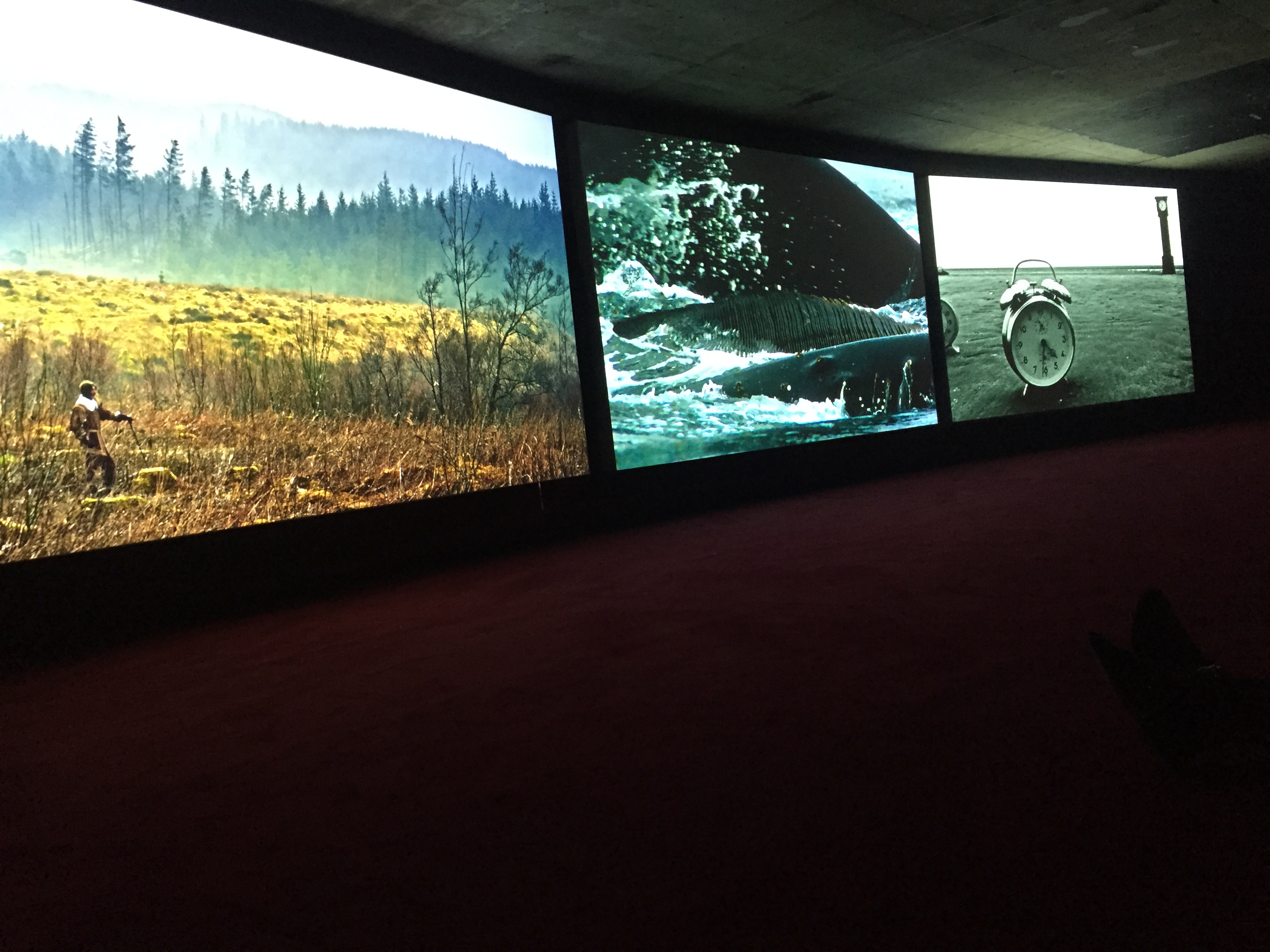
Whilst looking for a clip of Akomfrah’s work to illustrate my point I discovered this film of him talking about his creative process where he describes montage in his films, making reference to a dialectic between the images joined by a cut (or three screens) creating a new meaning.
For me Vertigo Sea pushes against but also acknowledges the the legacy of cinematic filmmaking techniques. Rather than outright rejection of the work of other filmmakers Akomfrah instead utilises and extends the techniques to tell a tapestry of stories that cinema is unsuitable for.
The way that images and theme repeat and evolve for me give Vertigo Sea parallels with the ideas of minimalism. Images want to tell us stories, even TH:EC:LO:CK found it difficult to break away from this, we seem to be driven to create linear narratives. For me, Akomfrah challenges this by repeating imagery and forcing us to be active viewers, ours eyes scanning across multiple screens, we pickup and drop the treads in different ways until the stands leave us with a net rather than a line.
Timemachine
You capture something because you want it to live.
John Akomfrah, 2015. Why History Matters. TateShots
Whilst researching some elements to support my thoughts on a recent Turner Prize/Vertigo Sea visit I came across John Akomfrah talking about exactly the motivation for my Zero project. It is deeply difficult to consider own own mortality, but possibly even more so that of those that we love. When initial discussions about the Zero project came up my first instinct was to document my Grandparents relationship. I entertained other possibilities whilst considering if I could do them justice but the other possibilities did not have the emotional relevance for me. I was able to screen the two cuts of the film that I have made so far for some members of my family this weekend, it was my birthday, the family was together like in the film. This highlighted the importance of film as a way of preserving the subtle things that we would otherwise loose. On a personal level this is about sentimentality, as a film maker this is about humanity, and empathy, documentary films give us the power to spend time with others, widening our social circle not just to include those who are geographically far away, but those who are temporally distant as well.
The responsibility that I feel for this film I now feel is to present those moments most important to share and preserve.
Zero progress
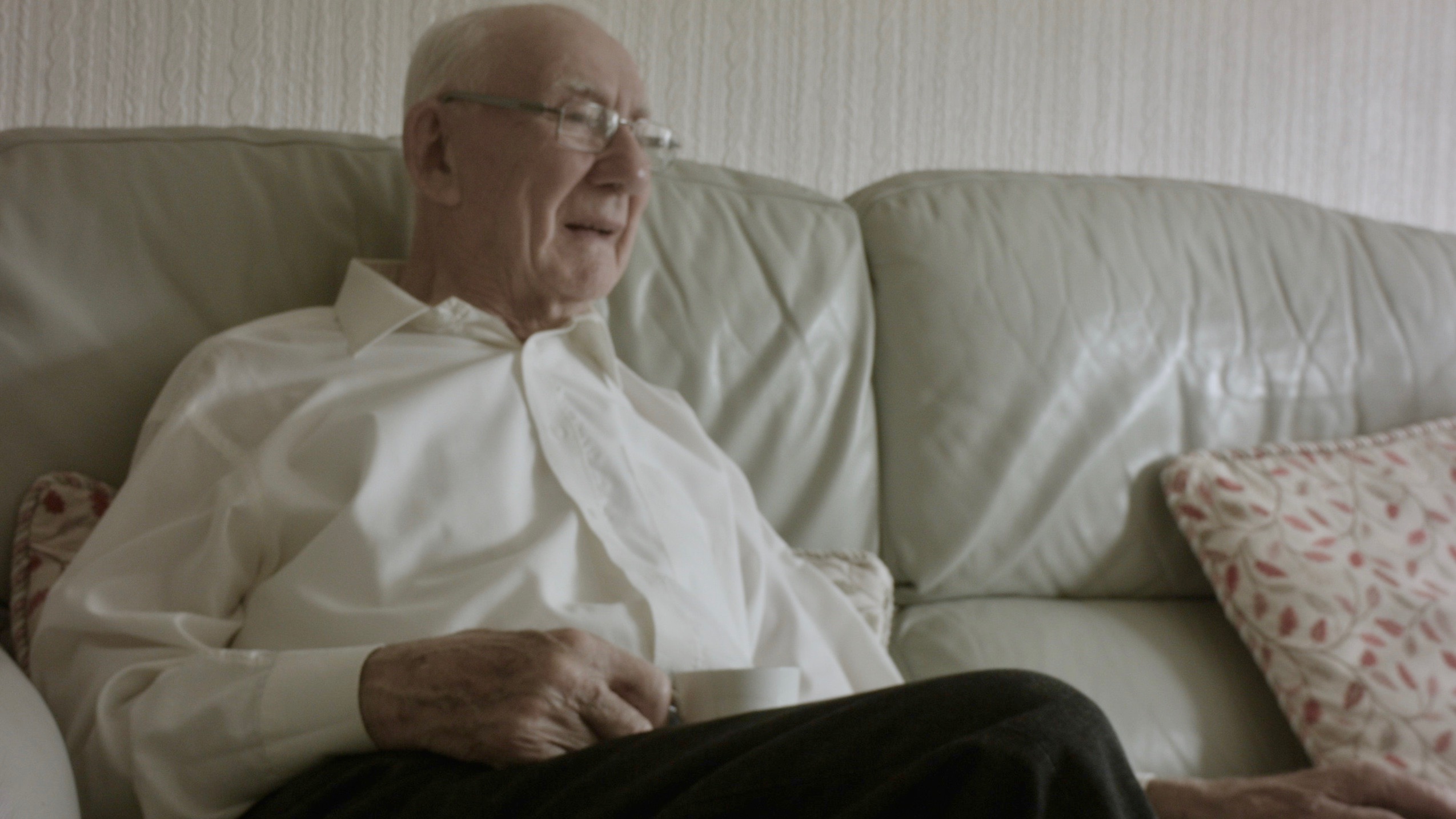
Denis Blunt – Zero project participant
I have been a little quiet on the development of my response to the Zero project which I regret as I am sure that I will now miss some of the details of the process.
Concept
I have been incredibly fortunate to have a hugely supportive and inspirational extended family and I want to use this documentary to document this important part of my life. I felt that a useful visual for this relationship would be a family meal prepared by my grandparents as this has been a regular fixture throughout my life. I chose my grandfather as the central participants I felt that I might also be able to explore his eye sight through the kino eye of the camera.

Process
I was already very familiar with the space were I would be filming and having help out in the kitchen with my grandparents on numerous occasions I felt that I would also be able to anticipate the order they would do things and how they would more around the space. As I wanted to capture the whole food preparation, cooking, and serving process and that it was a small space I decided that I needed a small and light recording setup.
Creative Technology

I chose to shoot on a Black Magic Pocket Cinema Camera because I thought that the lack of viewfinder or image stabilisation would allow be to explore the ethos of the zero project, going back to basics. I continued this with the selection of a fully manual SLR Magic 17mm Cine Prime lens.

As I would be working without a viewfinder after the initial setup of the camera I prepared for the shoot using a street photography approach. I set the camera up so that I would be able to use an aperture of around T4. I felt that this combined with the focus scale on the lens barrel would give me the best chance of getting things in focus, but that it would also reflect in some way Denis’s challenges in preparing the meal with his eye sight artefacts.
Filming
Filming went better than I could have expected, everyone there seemed to enjoy the experience and seemed to forget that the camera was there fairly quickly. My grandfather, grandmother, wife and son was all there and continued to interact with each other in a very similar manner to normal. I had some challenges will the lack of view finder as I did not spot who I had knocked the aperture ring and over exposed a long sequence, but overall found that it was liberating being able to stay in the moment with the participant rather than becoming obsessed with the image I was capturing. This results in some very loose and unusual framing at times but I feel this works in the context of the relaxed setting of the family meal.
Edit
Having shot nearly 3 hours of material the edit was always going to be challenging. After an initial assembly it was clear that my initial idea to follow the whole creation of the meal would not work. I managed to get it down to 16 minutes but cutting it further than this changed the pacing too much and resulted in a film that felt rushed.
I also short some material after the meal when there was a conversation between Denis, my wife and son about Cox’s Orange Pippin apples. I felt that this interaction gave a summary of the relationships so I attempted to cut this to the 3 minute time length.
Wider we
I have been working on this post on and off since the seminar on the 18th October, there was some really interesting conversations in the seminar that I wanted to follow up on quickly but fell into the essay writing habit of lingering too long on them. I want to avoid this as I want this blog to be a record of the development of my thinking over the duration of this process rather than a summary at the end where inevitably I will omit (by mistake or design) some of the detours and dead ends that I explore. I am attempting to be conscious of Donald Schon’s work regarding reflection in and on action. So in this spirit here are the thoughts of the moment.
The seminar on 18th October left me returning to the question that I have gravitated since I started being interested in art, why do I want to say anything at all who am I to say it and why.
I want to say have hope be positive there is hope humans are brilliant. Most importantly I want to say this to everyone.
Yet Roope ended his doom-laden column with a rallying cry to designers: “This is perhaps the biggest challenge humankind has ever faced, and also perhaps its most exciting… let’s start designing the future that gives us a future. Now.”
I want to say it because I forget, and I want to remember. When I am stood at the bus stop reading an advert for a big brand wine, that promises to make your problems go away, get you a new partner and do the washing up, I want to remember we went to the moon.
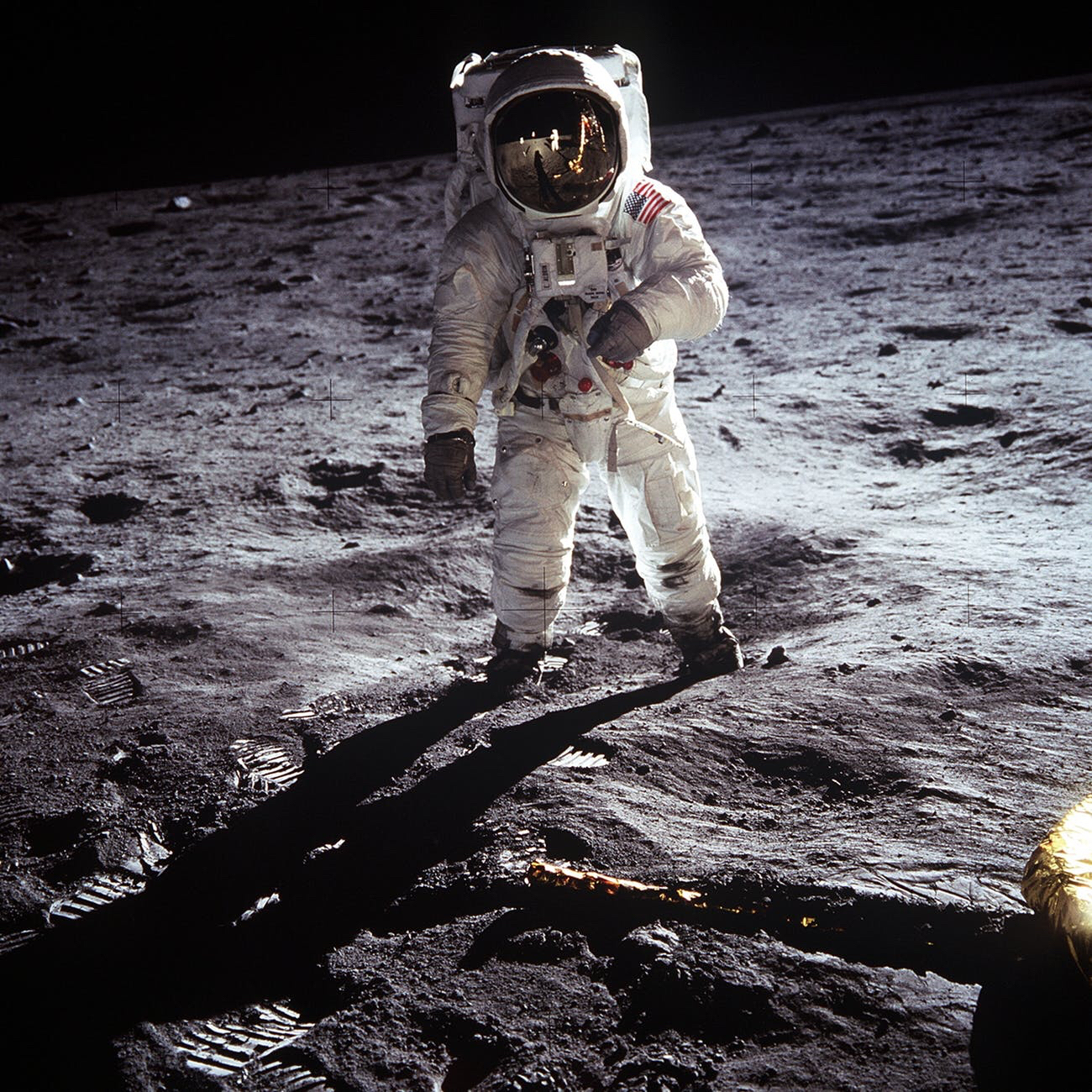
Sometimes we are individually or collectively heinous, but sometimes we are sublime.
Why we need a definition of Art
As I mentioned previously Brian Eno’s music has been highly influential on my approach to sound, but Eno’s thoughts on creative processes and the importance of art have been even more influential. When I’m stuck on a problem I reach for an oblique strategy. Eno’s 2015 BBC Music John Peel Lecture resonated with me in his framing of art as “all the things we don’t need to do” and the way that it can help us to safely explore new and frightening ideas in safety. I recently came across an article on the design website Dezeen where Eno’s thinking helped to clarify my reasoning for wanting to make art and how this relates to my personal and political philosophy.
Eno points to Mariana Mazzucato and Kate Raworth, economists who are redrawing how we measure value in society, and reframing the boundaries of economics to the scale of the planet. As Raworth says: “Today, I think ours is the generation that must raise its sights once again, beyond the household, the city and the nation to the planet: it’s time to take on the economics of the planetary household.”
Finn Williams https://www.dezeen.com/2018/11/09/brian-eno-architecture-planning-finn-williams-opinion-column/
This post has the tonal shifts of a meandering river because it has been written over many sittings and my thoughts really need the rest of my life to clarify so I am going to fall back on Brian Eno for now.
We need a wider we
Brian Eno
DADA Developments
I wanted to explore the hands typing further so I capture some more footage this time with a borrowed typewriter.
I’m still working on processing the footage with Studio Artist as it a time consuming process to iterate through different processes. In order to really see how the motion will look with the process applied I am finding that I need to render out at least 5 seconds, with many of the heavier processes this takes multiple minutes on my laptop. As I start to add further versions I will post these as well.
DADA – Ballet Mécanique
In researching Fernand Léger as part of the DADA project I was reacquainted with Ballet Mecanique from 1924. There is an interesting parallel between the pure experimental exploration of movement that I think is demonstrated in this film and use approach of using Studio Artist to explore the body in motion in the DADA project.
For us the joy of dancing saws in а sawmill is more familiar and easier to understand than the joy of human dancing.
D. Vertov, ‘Му. Variant manifesta’, Кino-Fot, по. 1, 25-31 August 1922,
рр.11-12.
With the ubiquity of screens in 21st Century society it is easy to forget that the ability to capture and recreate an illusion of movement has been both a technological and artistic voyage. Being able repeat, slow-down, speed-up the motion of the natural world, and even generate movement where there is none has given rise to scientific, cultural and political transformations.
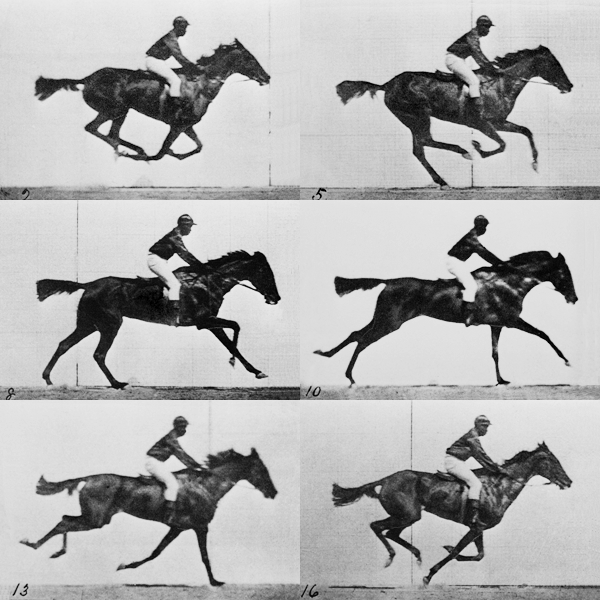
The impact of technology can only be measured after it has been created, often the consequences are unexpected. Discussions of the truth in still and moving images are as vital today as ever when video evidence is increasingly being used to record and repeat, and provide previous impossible views of the world.
When jurors are shown slowed-down footage of an event, the researchers said, they are more likely to think the person on screen has acted deliberately. While a slow-motion replay may allow jurors to see what is taking place more clearly, it also creates “a false impression that the actor had more time to premeditate” than when the events are viewed in real time.
Khaleeli, H. 2016. How slow-motion video footage misleads juries.
A short film that simply asks us to question the truth the movement that it claims to represent could be even more important today than in 1924.
boDies in motion – DADA
I did not initially have a clear starting point for this project when trying to draw inspiration for the idea of bodies in motion, I have often been more interested in the built environment and an absence of people. Building on my experience of the Concrete sound project I wanted to develop a response to DADA that challenged my existing working practices whilst still acknowledging my previous interests.
The gallery visit to the Herbert had some interesting work by Anselm Kiefer, an artist who’s work I have previously drawn inspiration from when considering identity in relation to bigger questions. But I didn’t find that inspiration on this occasion.
I felt that in the concrete project I hadn’t taken the site into consideration enough, so went to see the building that would be the canvas.
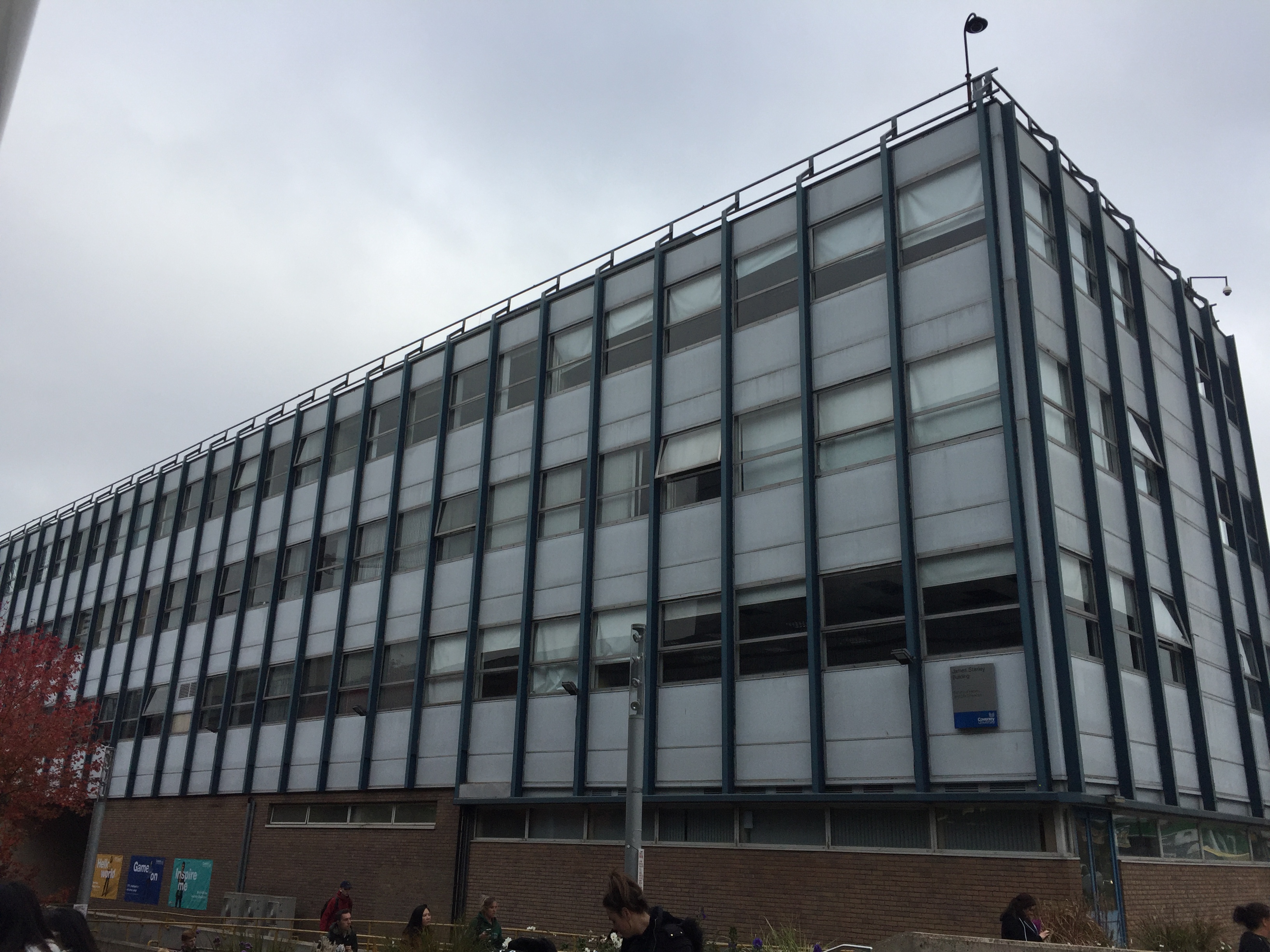
A canvas
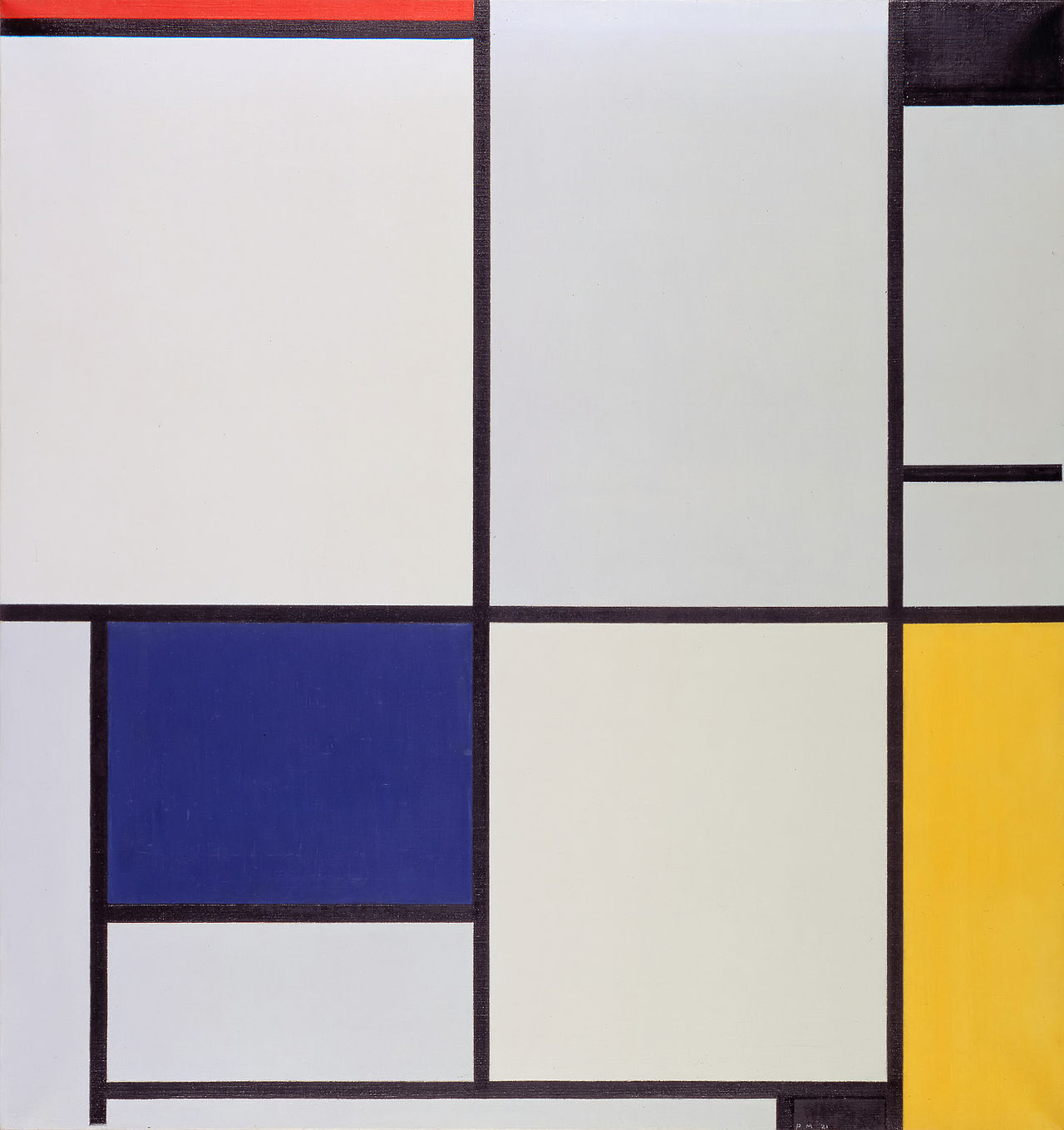
Tableau I, by Piet Mondriaan
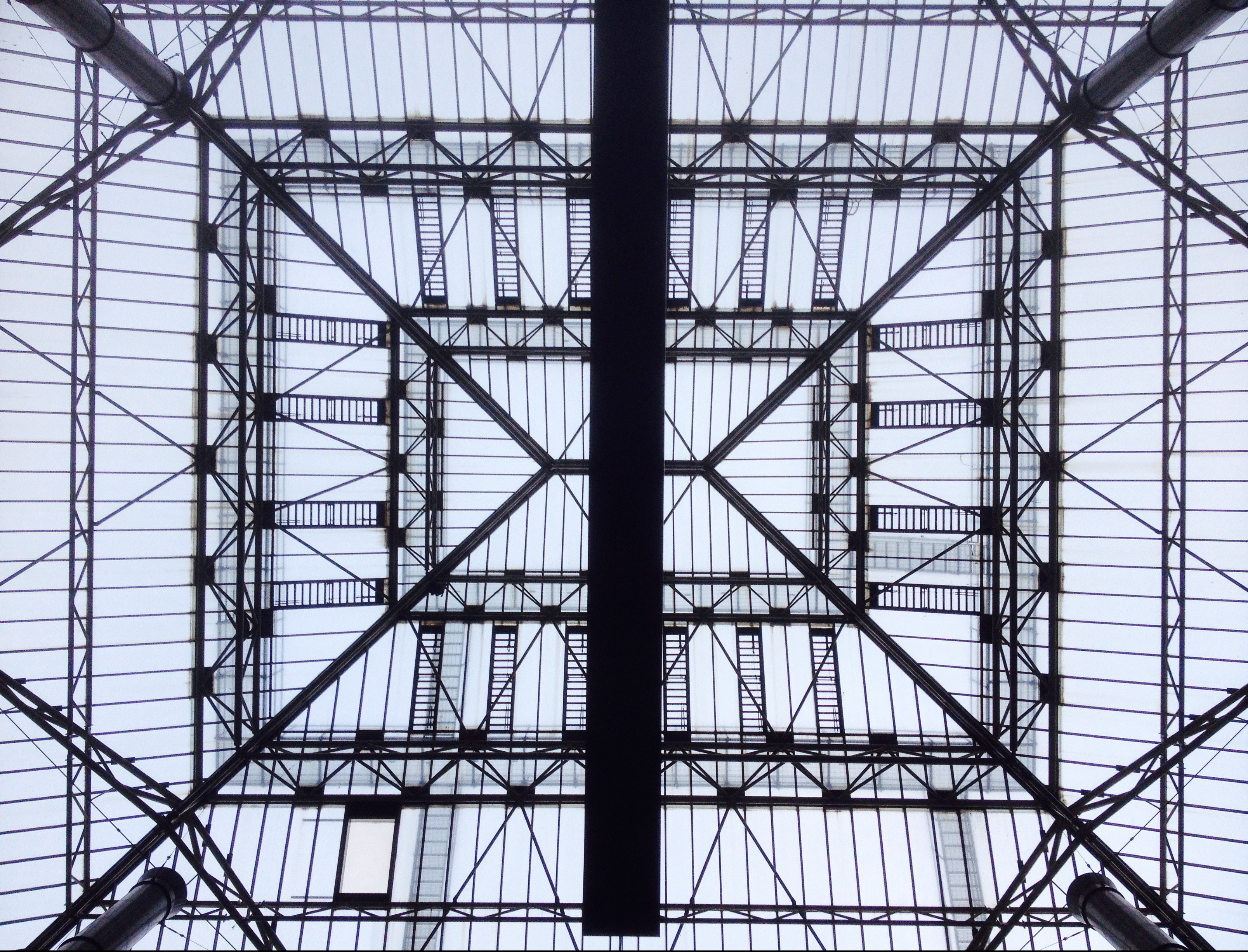
I have been interested in repetition and abstraction in art for a long time and Mondriaan was my gateway drug. Although I later became fascinated by the purity of the abstraction in Mondriaan’s work when I initially encountered it it was the way I felt it represented the world around me; panes of glass, scaffolding, concrete, billboards that resonated with me. The geometric grid of the canvas building evoked that relationship, and propelled me towards…
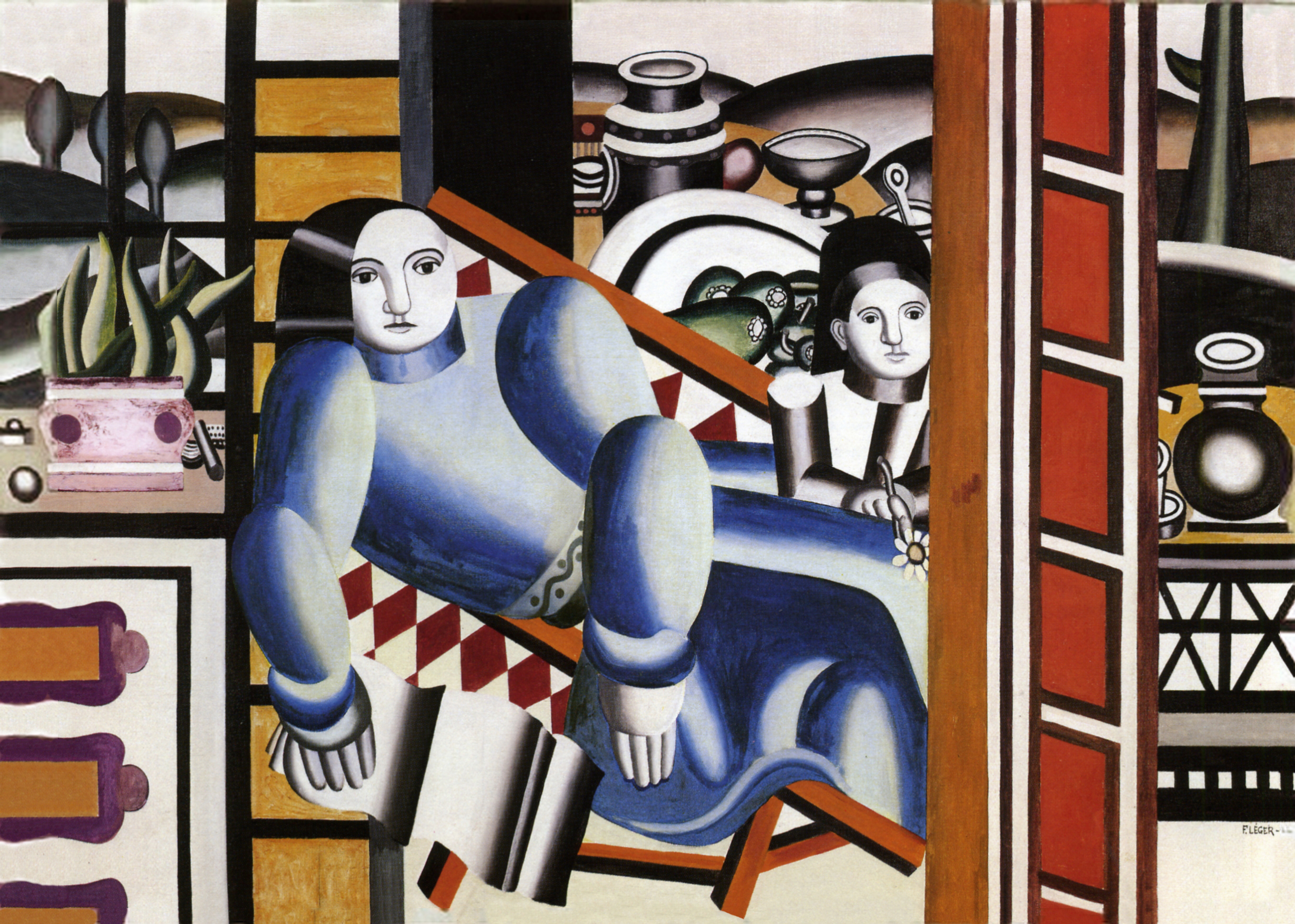
- La femme et l’enfant (Mother and Child) (Léger, 1922)
Fernand Léger’s mechanical treatment of human figures the same as their made surroundings with a smooth surface gave me an interesting link back to the ideas of the human body at work discussed in the DADA brief.
With the rise of office based work much has been made of the health and physical implications of sitting and typing for long stretches. As I thought about this idea there seemed to be some sort of absurd idea of running off to the gym after sitting all day to do the physical labor that mechanisation has removed the need for us to do. Absurd machines; Duchamp.
I have been exploring a range of processes to try and visually explore this link.
In this test I was attempting to flatten the image by building the human and machine elements from the same basic components. To flat.
Same basic principal, I think the saturated colours help, potentially too much movement in the mechanical element draws the eye away from the hands. I like the principal, I’m going to shoot a more developed version of the footage using a more interesting keyboard.
Concrete reflections
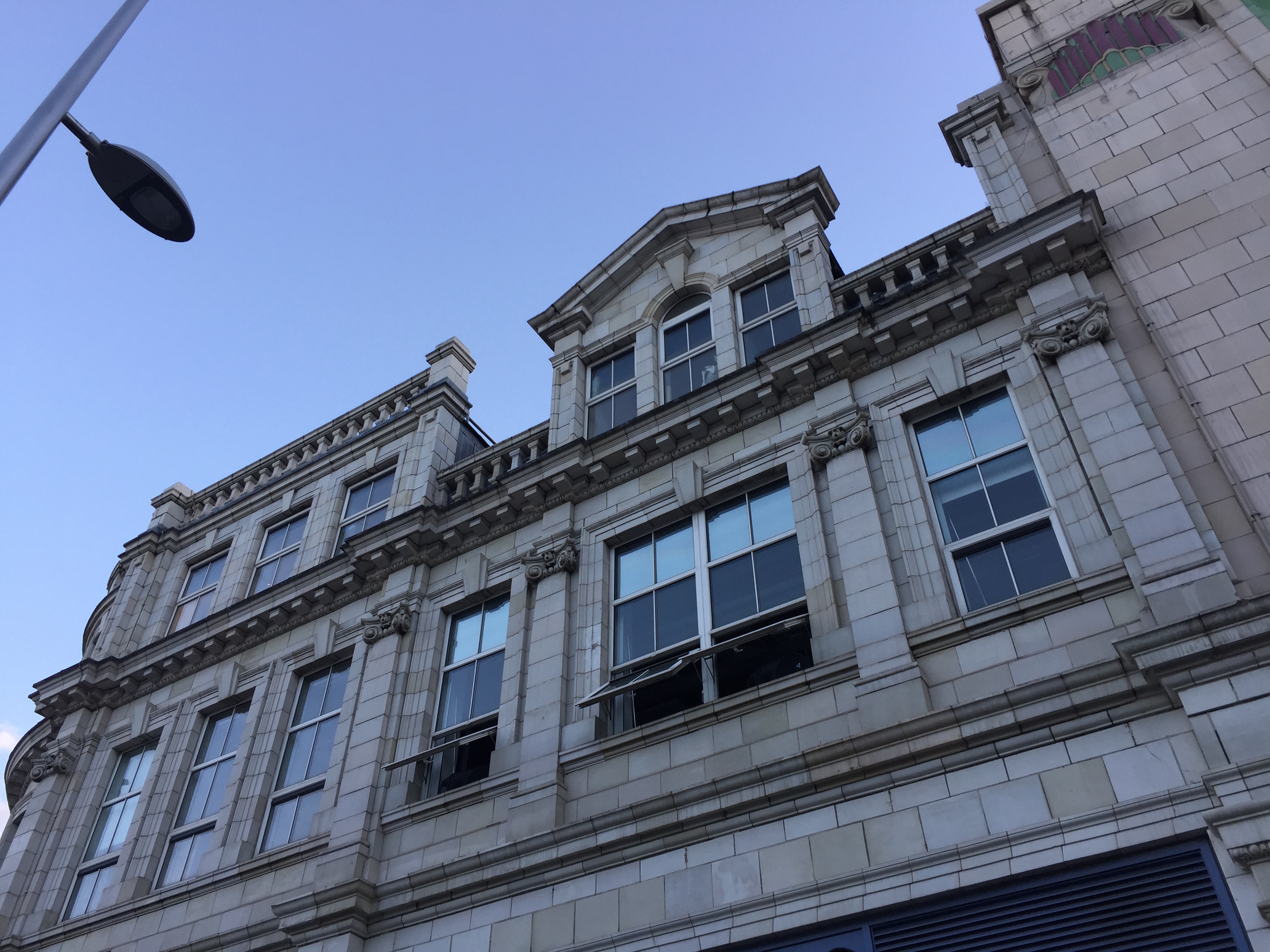
Thursday 1st November the group’s concrete soundscapes were played from the Ellen Terry Building in Coventry onto Jordan Well. The crisp November evening collaborated with us to draw in small groups of listeners who were intrigued, baffled or interested in the sounds, even those passers by who did not stop and listen paused in their journey to establish where the odd noises were coming from. I noticed that while most people who did stop only started for 2-3 minutes (about the length of one piece) a number of others stayed for 30-40 minutes even though they did not know anyone studying on the programme. I was asked by one of these individuals if it was a live performance and how the sounds were made. Wandering around the area I was able to hear the echos of the pieces drifting several streets away.
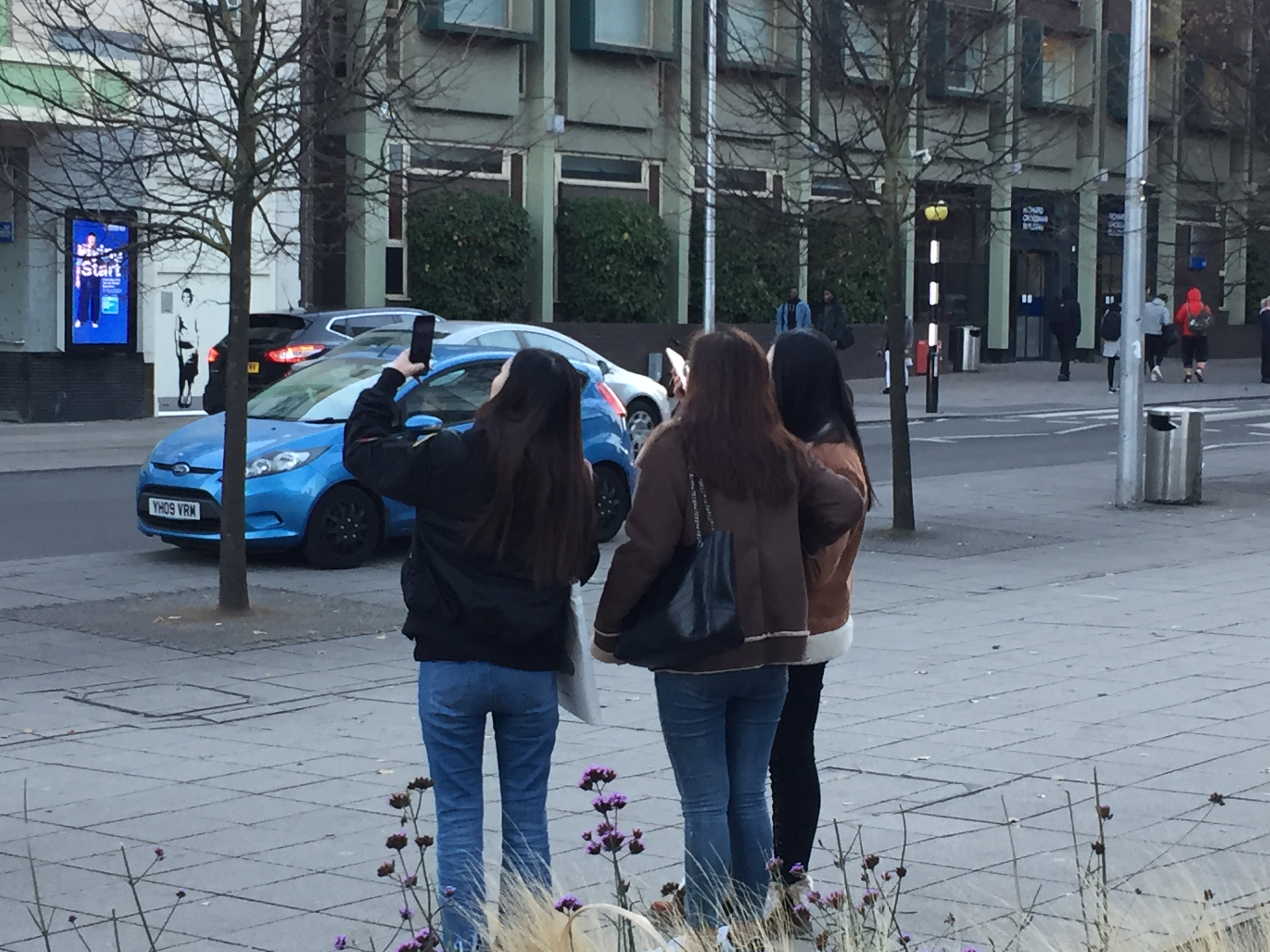
One passer by asked me if it was “Art”, when I asked them what they thought they commented that they didn’t understand it, I thought that this was interesting; what was there to understand? For those of us who can hear, we hear sounds all day everyday, most of the time these sounds are expected so we don’t listen. By placing unexpected sounds back into the environment passers by were encouraged to listen.
I was disappointed hearing my own piece in this environment, it had lost much of the presence and layering that I had been trying to develop during the production and mixing. I had mixed it in a controlled environment and all of my testing had been in enclosed spaces. I had used a similar process to sound for film, but this was an unconventional environment to exhibit the work. Following my conventional instincts, what has worked before, led me down the wrong path. The process to create work should reflect that work and not be uncritically tied to prior experience.
Concrete conclusions
This represents the conclusion of my concrete sound project that began to develop watching TH:EC:LO:CK. I was interested in exploring the busy, outdoor, urban space of the performance area for the soundscape and encouraging listeners to consider not just how they were spending their day but also the passing of time, as I had done whilst experiencing TH:EC:LO:CK.
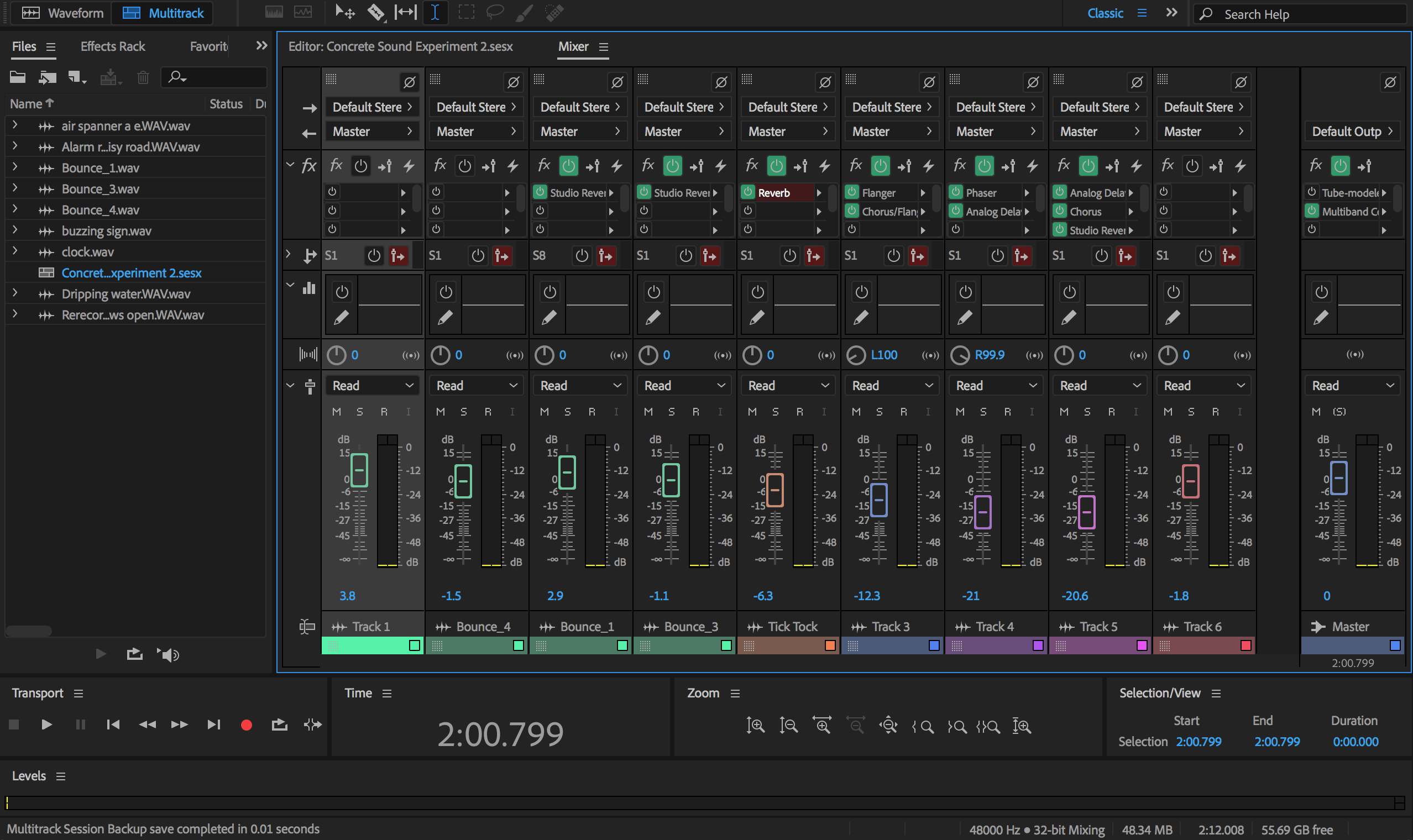
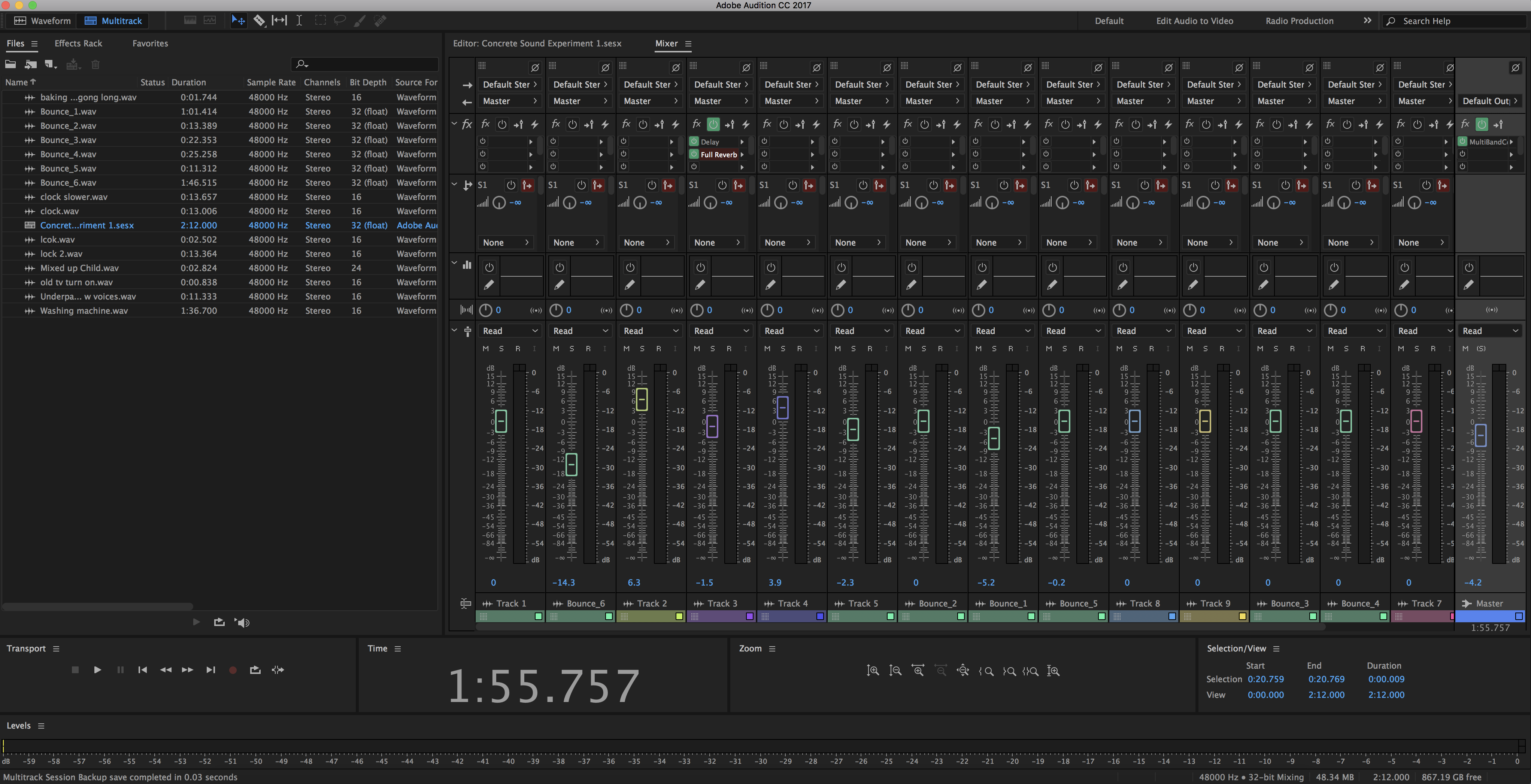
Developments since the third experiment have been smaller feedback from a number of listeners indicated that they they were drawing to in clock rhythm and commented that the layering was unsettling. In this version I have pushed some of the panning techniques I was using before to further open up the spaces between individual sounds, trying to give them a distinct place in space. I spent some time trying to get as much separation as possible between each of the the clocks that are in the piece to try and surround the listener.
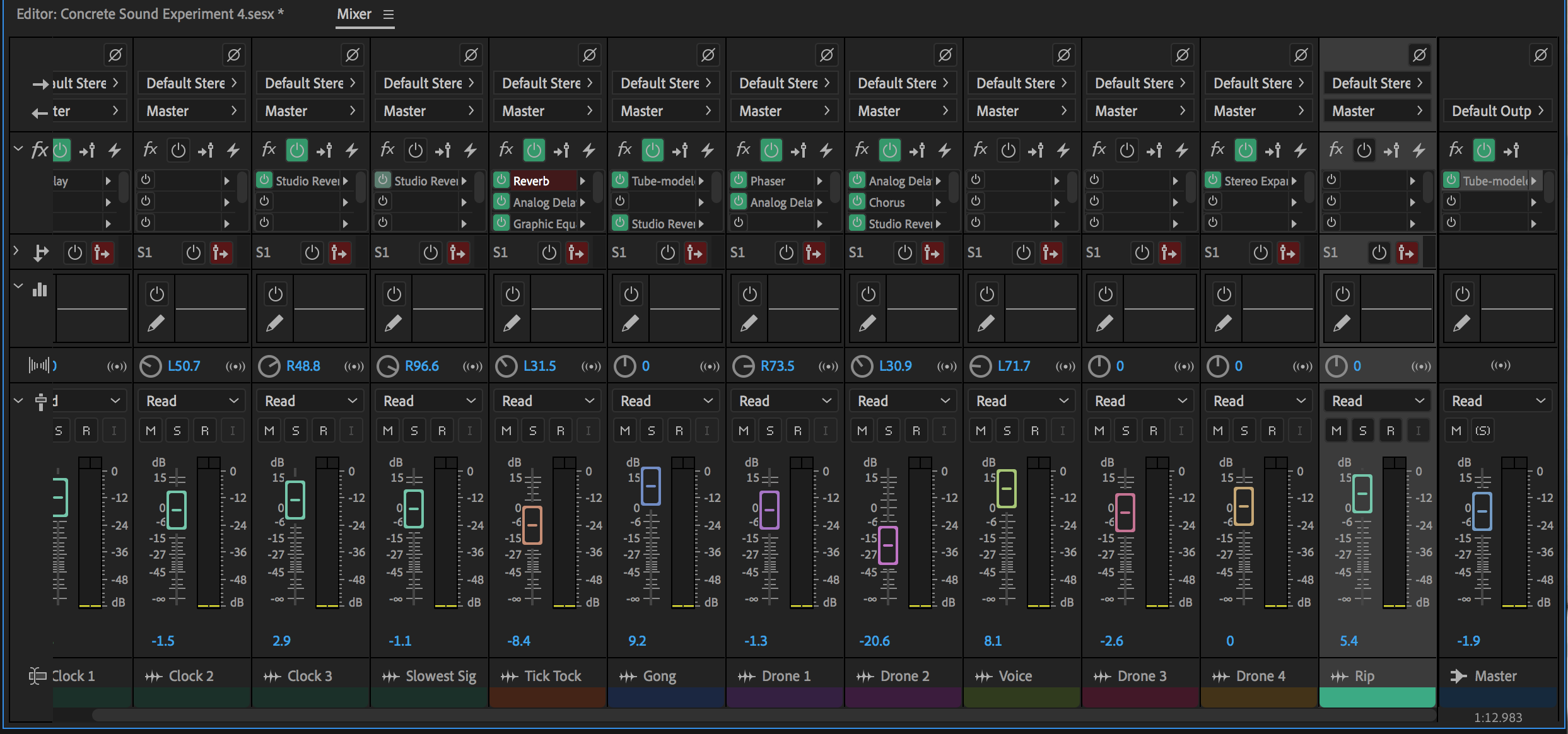
Adobe Audition mixer screen shot showing track levels, pans and effects.
I also experimented with the compression settings used on the final mix down to try and retain more of the dynamic range in the soundscape. I have been concerned throughout this development with the need to complement and compete with the environmental sounds of a busy urban street. Previously this had encouraged me to be fairly aggressive with compression during the mix down to make sure there were solid levels throughout the soundscape. Having experimented with play back in a range of sizes of spaces and with sizes of speakers I found that I could take a lighter approach to the compression and achieve a fuller sound that still had enough presence to be heard.
It will be interesting to hear the final piece in its intended site after this development process.
Studio Artist Introduction
Last week we were introduced to Studio Artist as part of the launch of the DADA project.
I had shot some footage of a swing in motion in anticipation of this project and initially tried this out with a few of the presets in Studio Artist to explore what was possible, from the names of the settings it is difficult to know what you are going to get and even from a still frame it is difficult to see how the process is going to look in motion.
This test of the Neon Present was one of the more successful, thematically I like the combination of the mechanical swing and the human pushing it but I think this idea can be developed further. I also want to experiment with the negative space create greater focus on the movement.
Concrete feedback
I had the chance to share Concrete Sound Experiment 2 this week. I have not shown work to peers for criticism in some time, the feedback that there needs to be more progression was useful. In comparison other work showed the power of more space, stripping back the sounds letting then have room to be heard individually.
I am going to rewatch the Walter Murch crowd sequence video as I still want to produce a very dense soundscape but need more dynamics to help reveal that density rather than it sounding muddy..
A number of commenters noted that the rhythm of the clocks was lost so I need to clarify this as I feel this is the main element I want to achieve with the piece, drawing attention to the passing of time.
Concrete Sound Experiment 3
I have been working to add more dynamic range to the soundscape whilst taking into account that it will be competing and mixing with sounds of the street outside Ellen Terry building when it is presented. I had some really useful feedback regarding this and was referred to the song exploder podcast , specifically the Jon Hopkins episode. Hopkins commented that he likes to work destructively, feeding earlier versions of the track into a series of effects to produce new complex sounds that become part of the track.
I tried to embrace this concept when working on this version of the track in two areas.
Firstly I extracted sections of Concrete Sound Experiment 1 that had been worldized and further layered them, the reverb and delay effects seemed to produce useful results.
Secondly I further explored waveform editing, I had initially been put off this due to the destructive nature of the edits. I have always enjoyed the idea of nonlinear editing as non-destructive as I felt free to experiment and try things without fear of breaking anything. Having listened to Hopkins I tried to approach the waveform edit like painting, pushing and layering effects and changes to until I found something that worked or needed to start again.
Picture logic
The phrase picture logic has been like a fly buzzing in front of my eyes for the last few weeks and linked interestingly to a Paris Report.

I was recently listening to Tim Goodman of The Hollywood reporter discussing the rise of directors in television and how show runner/writers were reacting against this.
Graham Yost (Justified, The Americans, Sneaky Pete, etc.) recalled first seeing that unique framing on Mr. Robot and thinking, “That’s interesting. Please don’t do that again.” (Goodman, 2018).
The rise of the auteur TV director. The point under discussion was how this visual style and weirdness often got in the way of the story.
But yeah, that description to a bunch of series writers didn’t go over very well for one simple notion that has been true forever: Television should be about the story, as written. (Goodman, 2018).
This argument reminded me of the kind of reaction that other art forms have experienced when the perceived wisdom and status quo were challenged.
At another point reference was specifically made to Twin Peaks “Twin Peaks was all about the freaky, not the story” (Goodman, 2018). David Lynch was the film maker that first cracked the door to alternative narrative structure for me, the cyclical structure and logic of Lost Highway was so strange, on first watch it was frustratingly opaque, I left the cinema angry. I’m sure Lynch would have been pleased at that.
I’m still not sure that I understand what Lynch wants to say with it but I can take a journey with it, a road movie that has no destination. For me the video tape, Noir genre elements, and actor/character switches begin to question image obsessed culture, and gender roles and values in a rapidly changing society.
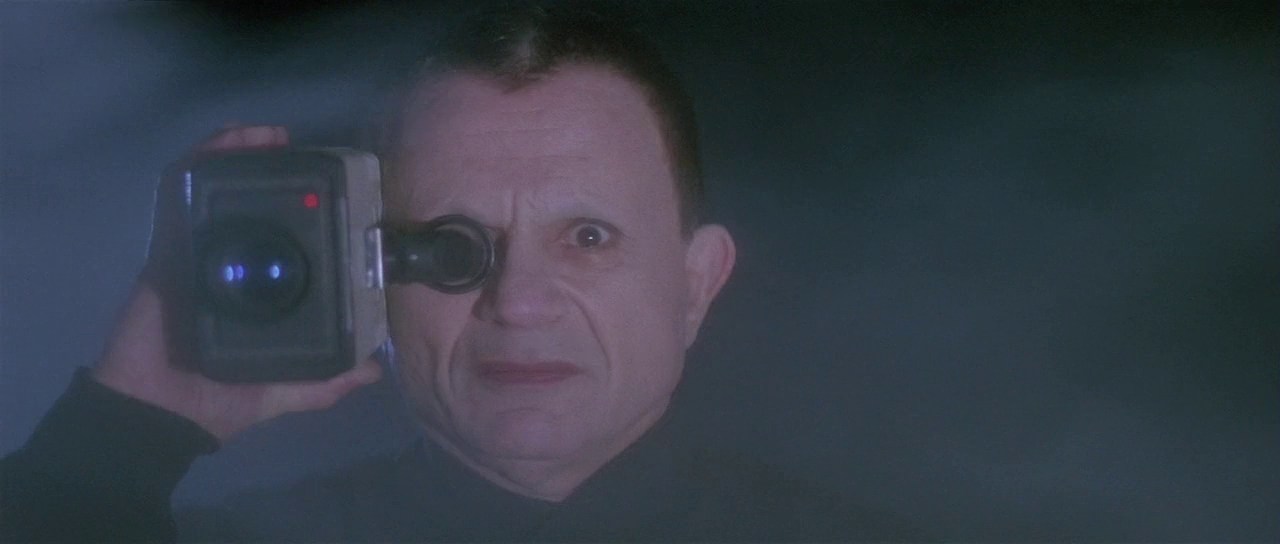
Lost Highway (Lynch, 1997)
There is more TV than ever, too much to watch, is this not precisely the moment when a plurality of voices and approaches to mass media should be allowed to question the role of screens, their power and our relationship with them. Picture logic rather than word logic. Links between the work of Lynch, Surrealism and Dada have been made regularly. Lynch’s work is terrifying, irritating, funny and it breaks the formal rules of story telling and film-making. I once heard it joked (sorry I don’t remember were) that every art gallery in the world has a copy of Fountain by Marcel Duchamp (1917) but some of the have just put it in the wrong room . It might be argued that you don’t even need to see Fountain in a gallery to experience it, it is so ubiquitous that it reminds you of its existence in every bathroom. There are issues of gender in this statement, only male bathrooms have urinals, but there is still an interesting question made by Duchamp about the importance of materials, artefacts, and skill in the status of a work of art. Was it subversive because it was absurd and funny?

(Duchamp, 1917, replica 1964)
Fountain as a ready made can ask these questions to a wide audience, its message is accessible, a viewer does not need a significant amount of art education to understand that calling a toilet art asks some big questions about art, questions that a lot of casual art goers are probably asking anyway. Cinema and television are to me interesting art forms because of their popularity and reach, TVs sit in a large number of the homes on the planet, I see this as having a huge potential for distributing ideas, asking questions, but a viewer has to choose a show, not become disengaged or switch off from it. There is a fine balance between pleasure to the eye and pleasure to the brain. I would argue that that the combination weirdness and visual flourish in Auteur led TV, like Twin Peaks, could provide not only an interruption to the status quo but also double hit of eye-brain pleasure.
Concrete Sound Experiment 2
I have attempted the worldizing technique describe by Walter Murch and also developed some more layers. The laptop that I am using was struggling with the numbers of layers in the previous project so I used the worldizing as an opportunity to mix that project into one track. I played the project back on some reference monitors in a classroom full of hard surfaces and then recorded this. There was also a storm taking place outside at the time and the windows had been left open, so in addition to the echo from the room there are also some interesting rattling sounds that were added by the blinds in the room.
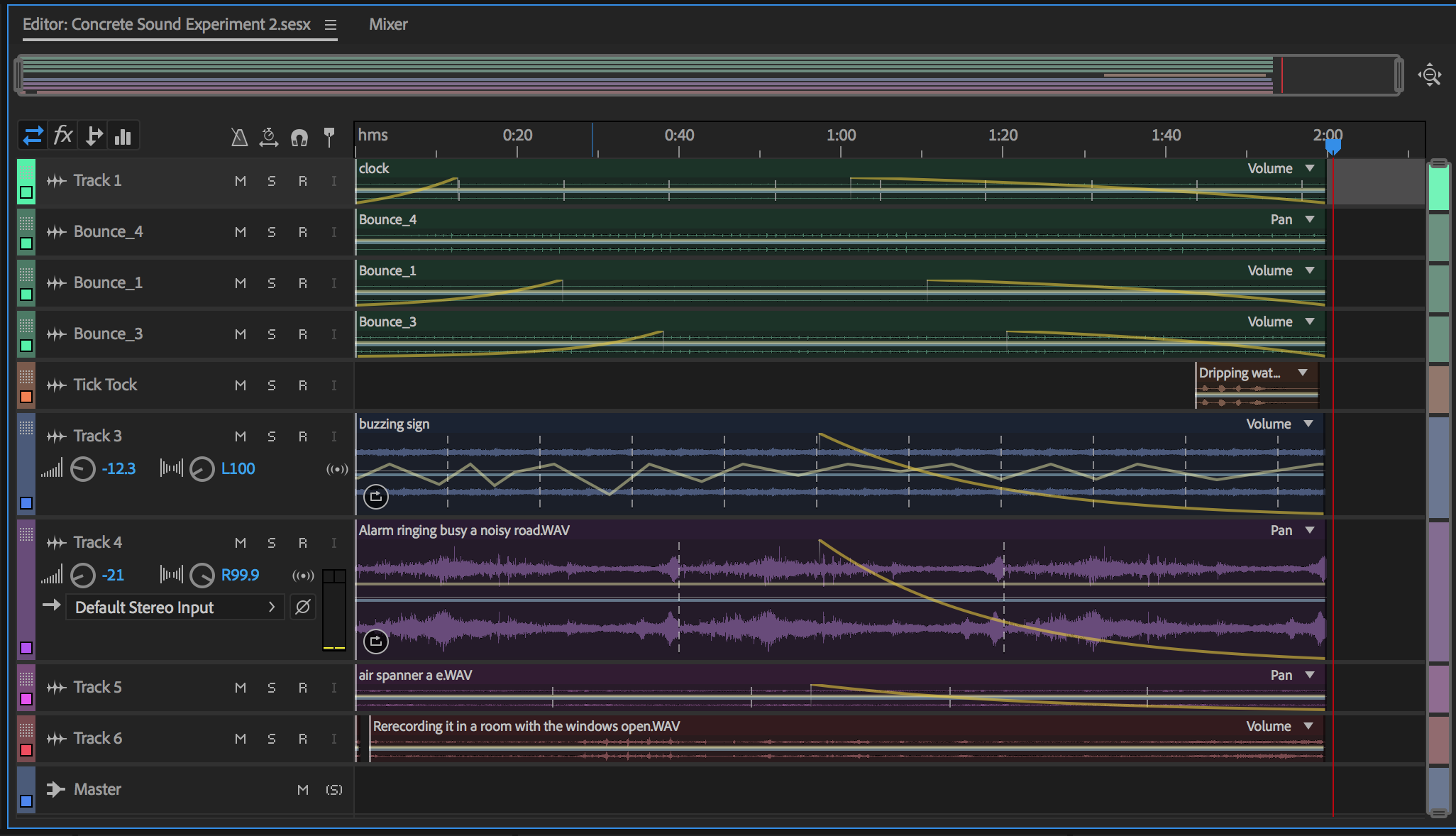
Having workshopped some responses to the initial experiment I have extended the clock sounds through the piece. I thought that I would draw inspiration from the recent trip to Tate modern and how this focused attention on the passing of time. I repeated the phasing experiment from the first experiment but with additional layered versions which I think has increased the looping effect this creates.
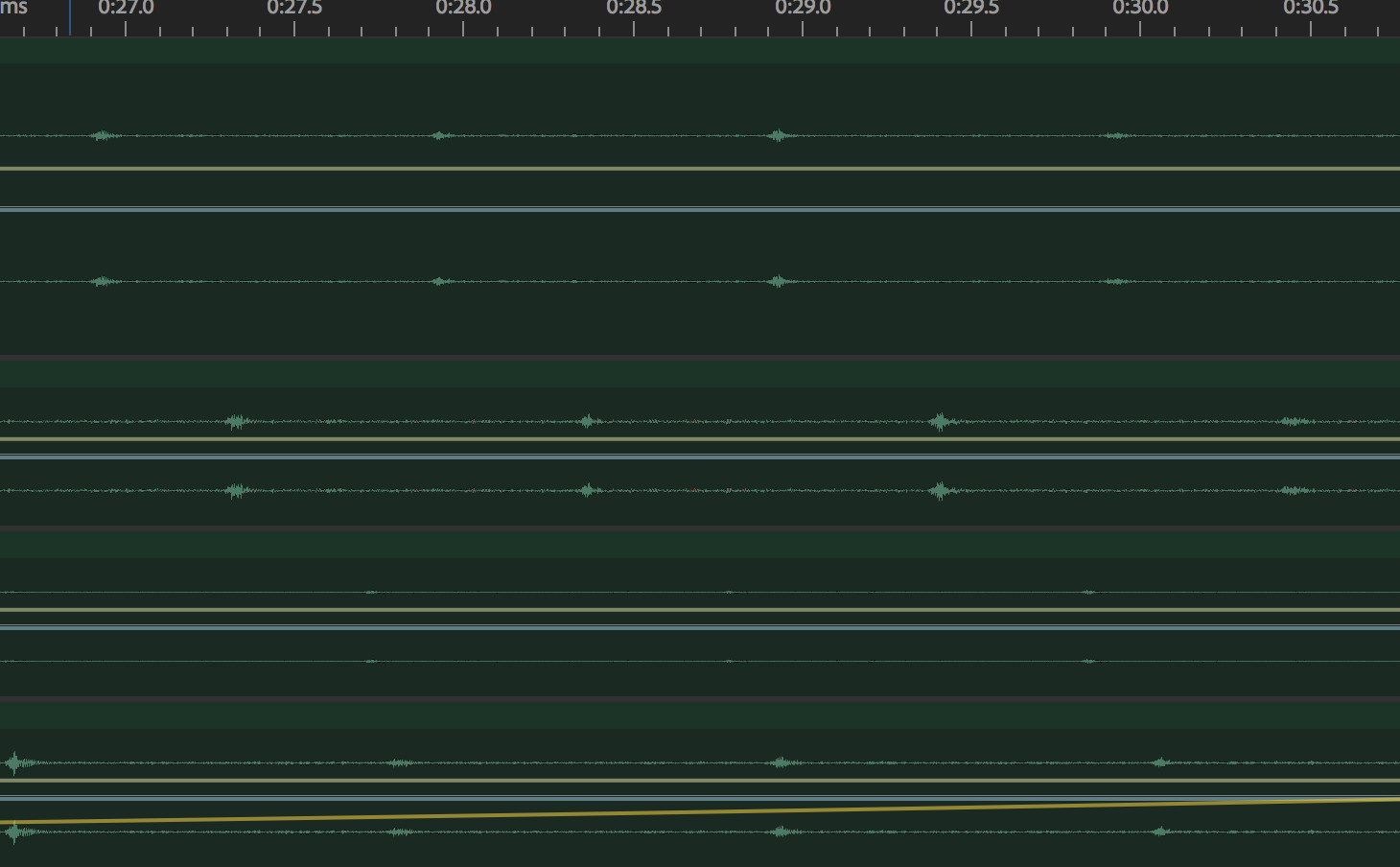
I had recorded some interesting buzzing and alarm sounds that I wanted to make use of to add so additional depth to the soundscape. I distorted and exaggerated these to try and help them sound less real. I found that compounding a number of effects on top of each other help to create this. This was inspired in part by Eraserhead and the way that the sounds of the hums and buzzes of machines in the environment were exaggerated to produce the very unsettling sonic landscape of the film.
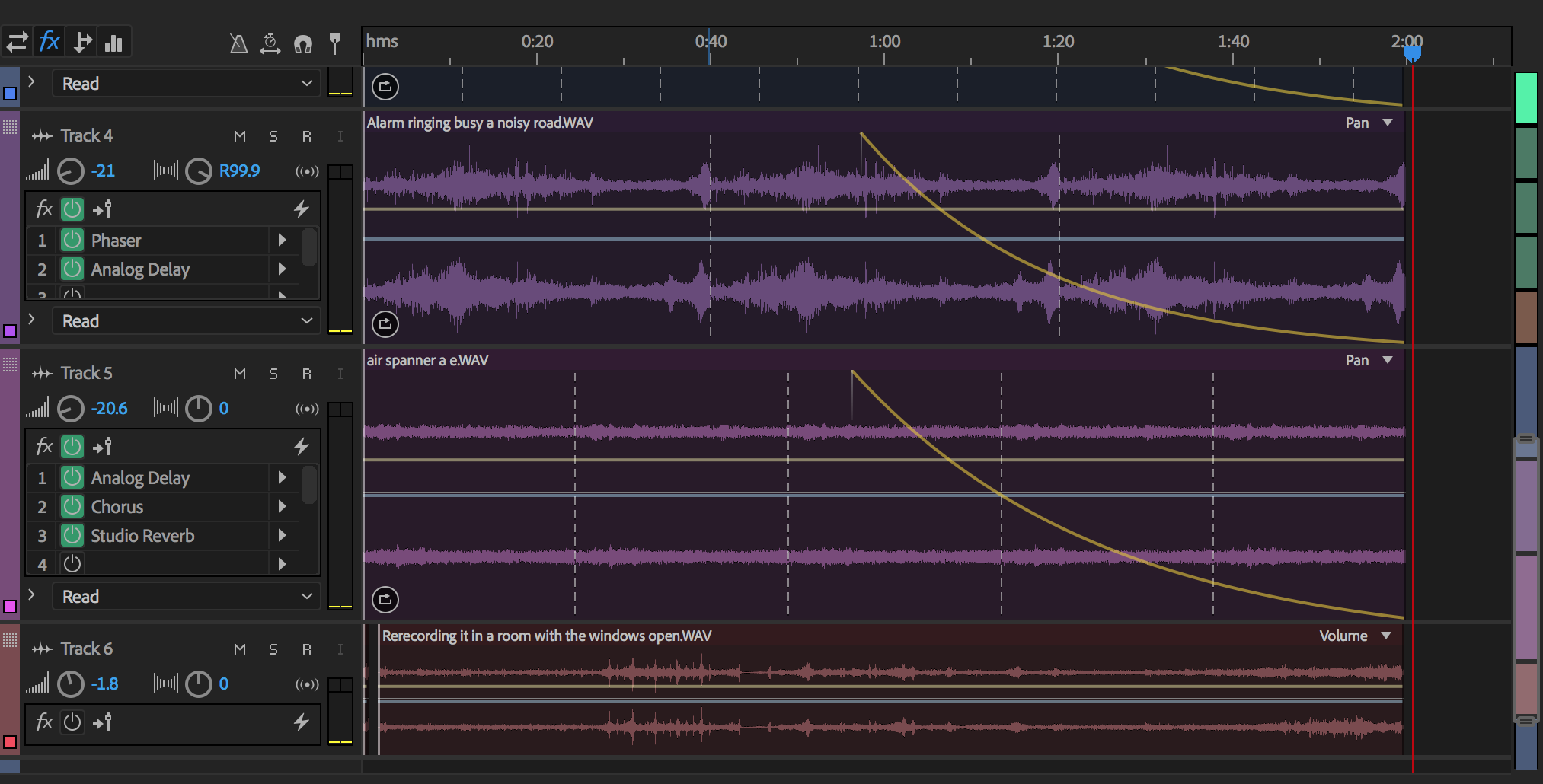
The buzzing and ringing sounds become unpleasant after repeated listens whilst mixing, hopefully some of this will carry through to listeners when they hear the piece. I ended up pushing the ringing/buzzing very low down in the mix as it was dominating.
This piece will not have long to engage a listener, in part due to its length, and in part due to the transitory nature of the audience. I am hoping that the unsettling sounds will link to that of the recognisable clock to get listeners to pause and think about time.
Concrete sound experiment 1
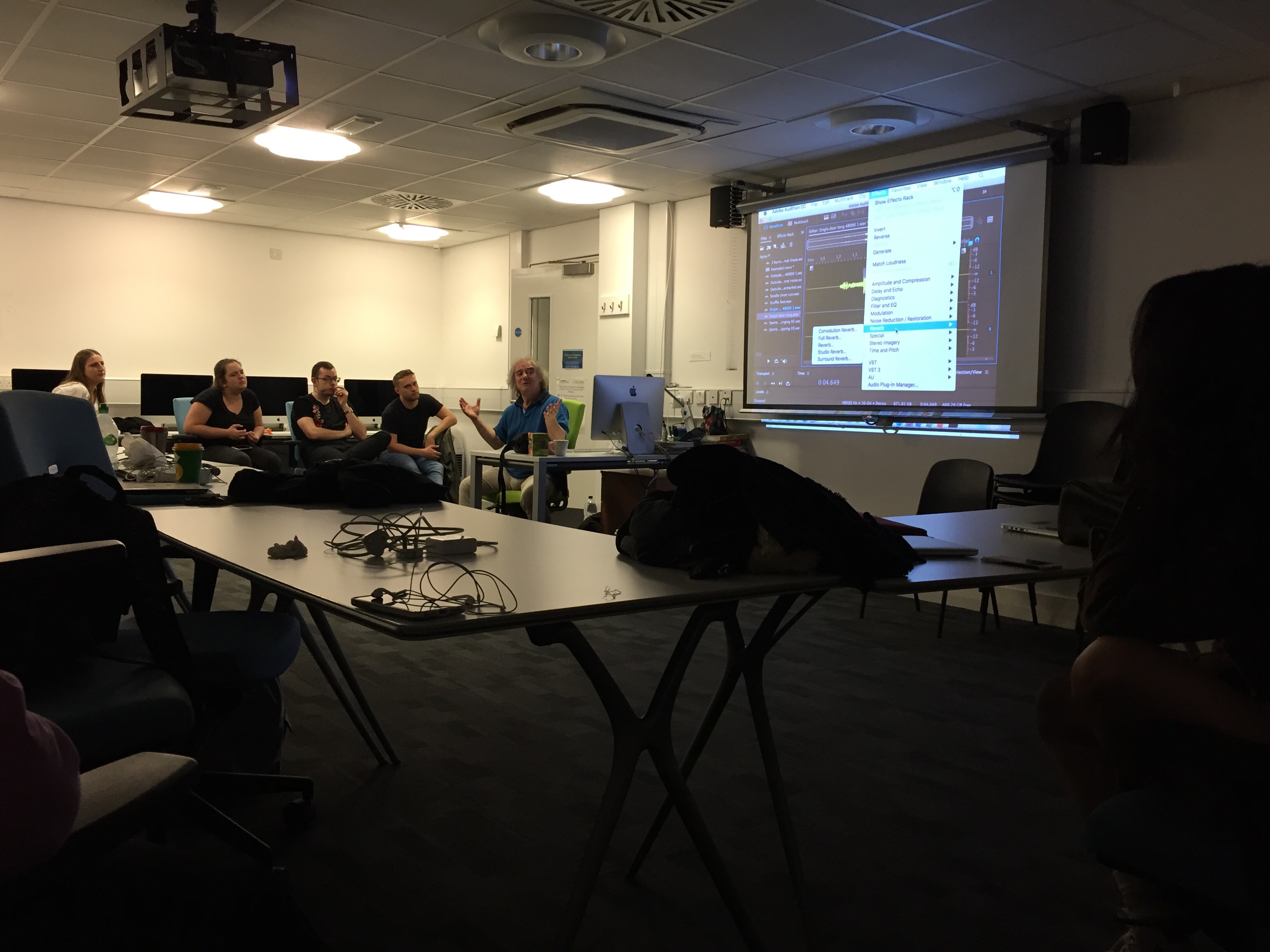
Hands on workshop with Adobe Audition this afternoon, distorting and mixing the audio recordings that I have been collecting over the last few weeks.
I was focusing on trying to achieve something that sounded like the phasing found in analog tape delay.
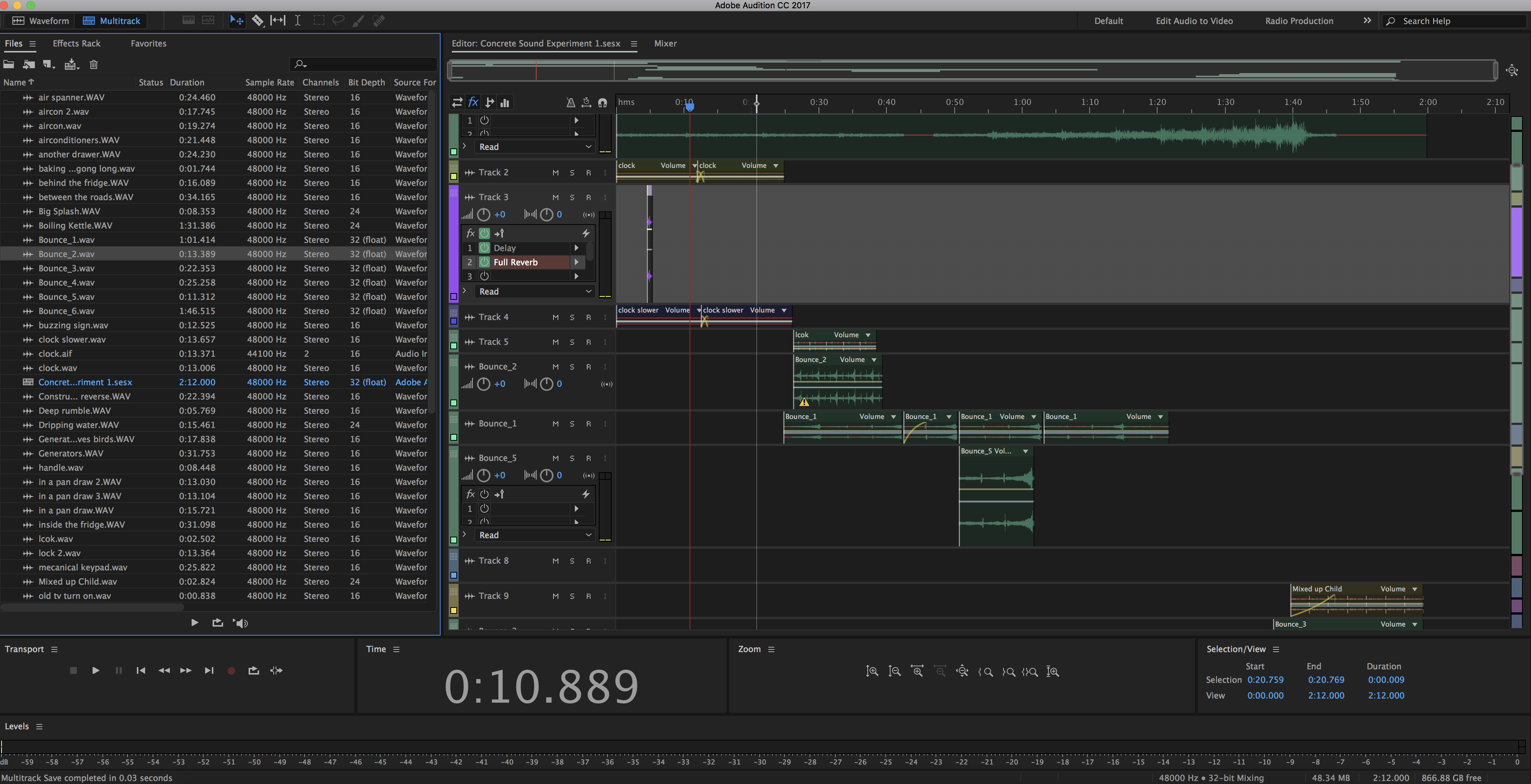 There are a few sections where this seems to have worked. Only hearing it on headphones and small speakers means I need to review the current mix again before I know what it really sounds like. So far the section towards the middle where the sound builds then cuts seems to be the most interesting.
I am hoping to play the track back in a big space and record it back again to see how the room interacts with the sound.
First Sounds
Concrete
The concrete sound project is giving me an opportunity to engage practically with a theme and genre that I have appreciated for a number of years. Prior to my undergraduate degree I was interested in the work of Brian Eno, BBC radiophonic workshop (though Doctor Who), and the synthetic soundtracks of films like A Clockwork Orange (Kubrick, 1971). More recently Philip Glass was a gateway into the world of Minimalism. The hypnotic quality of Steve Reich’s work using looped and repeated phrases, forcing you to listen to the individual sounds until they become new and surprising is a process that I am hoping to use as a starting point.
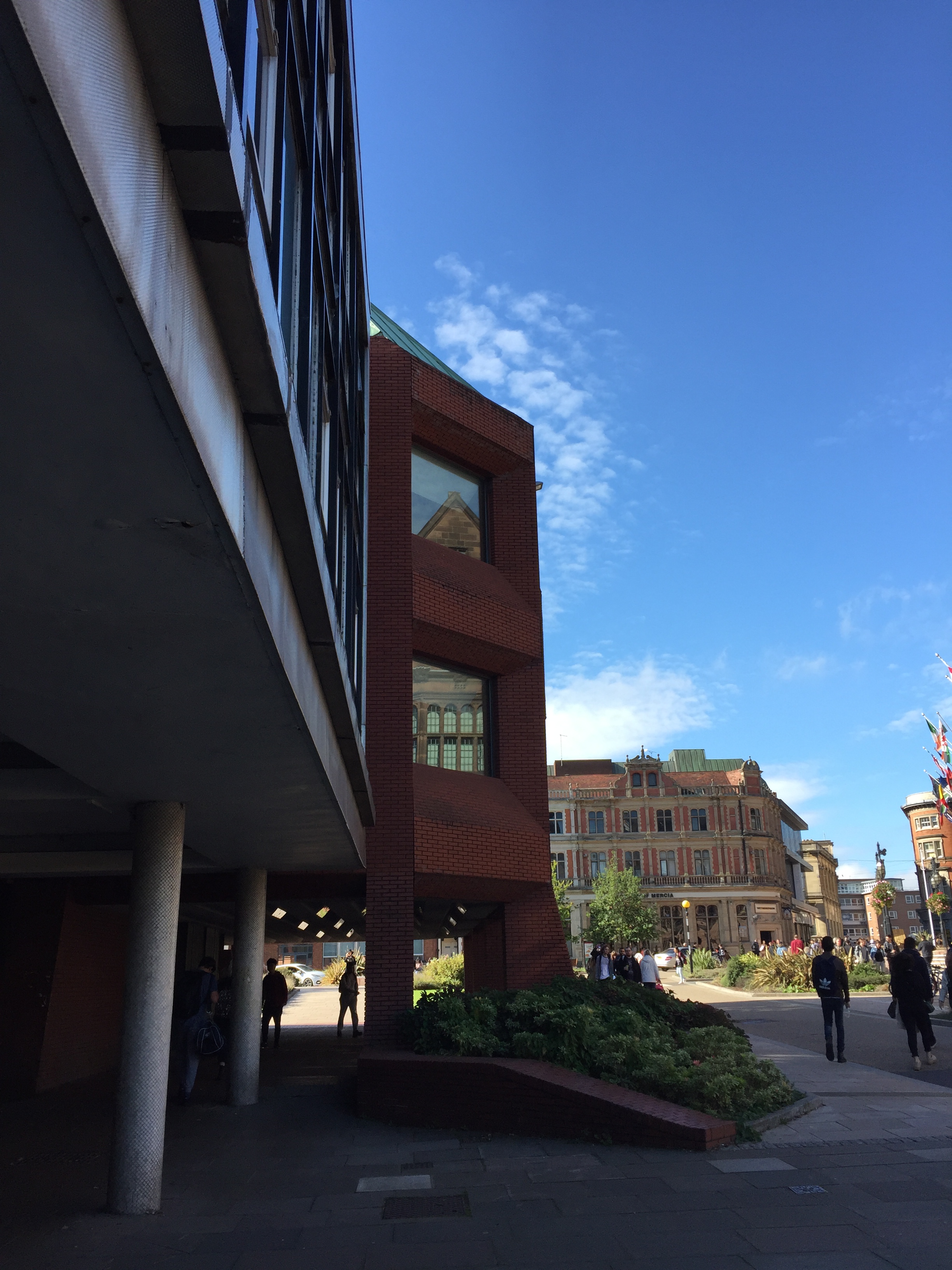
As the soundscapes are to be played out into the street where they will mix organically with the other sounds in the environment I feel that a structure rhythmic approach is likely to produce a more surprising outcome for those who encounter it.
 mattprentice
